IAMS IN
Why Do Dogs Pant
Why Do Dogs Pant mobile

adp_description_block457
Why Do Dogs Pant?

  • Share

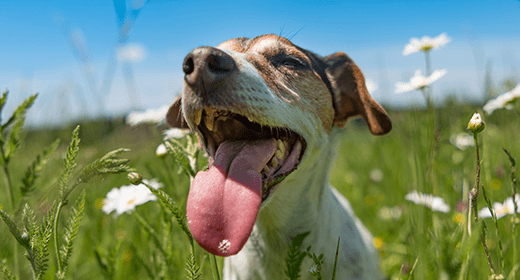
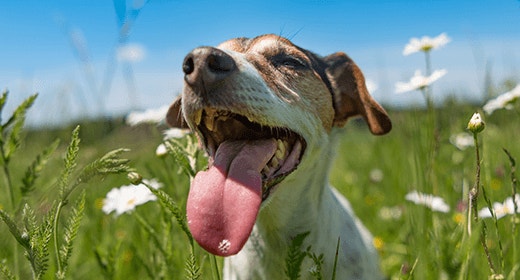
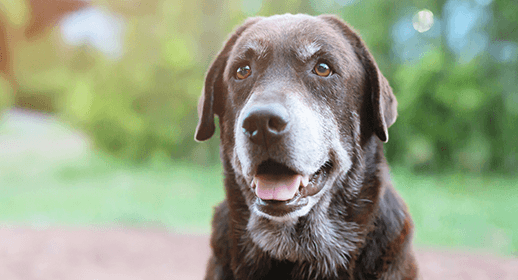
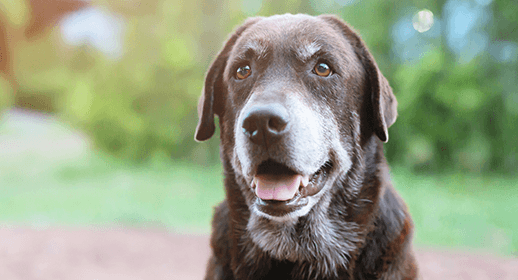
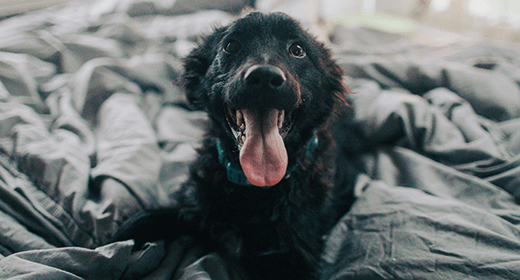
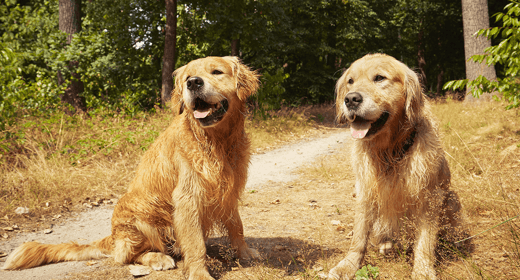
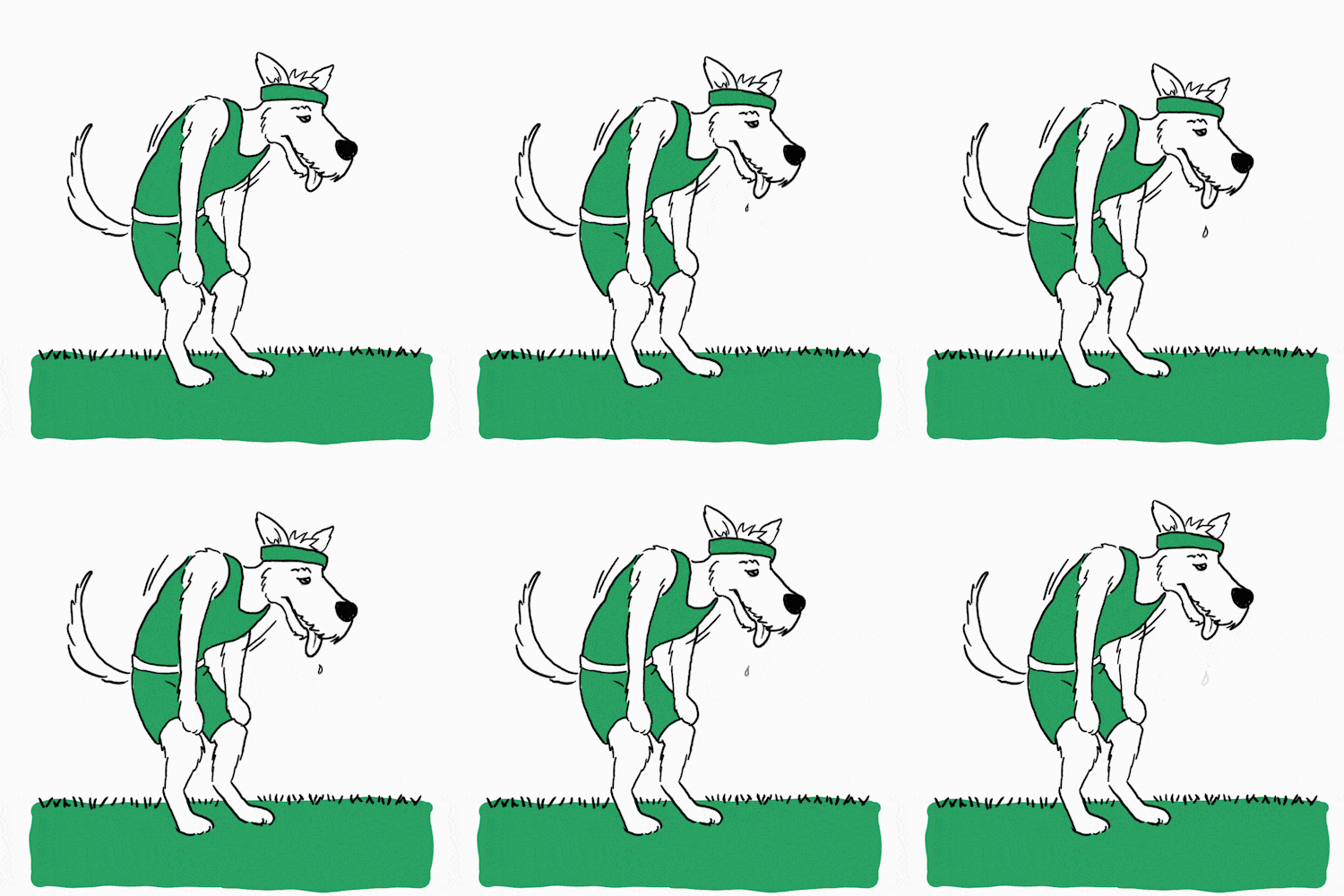
Panting is when dogs breathe rapidly with their mouth open and tongue hanging out like a slobbery yo-yo. You know what we’re talking about. So other than as an effective method of drool distribution, why do they do it?


Keeping their cool

Some dogs may occasionally pant when they’re excited or afraid, but the main reason is to help keep themselves from overheating.

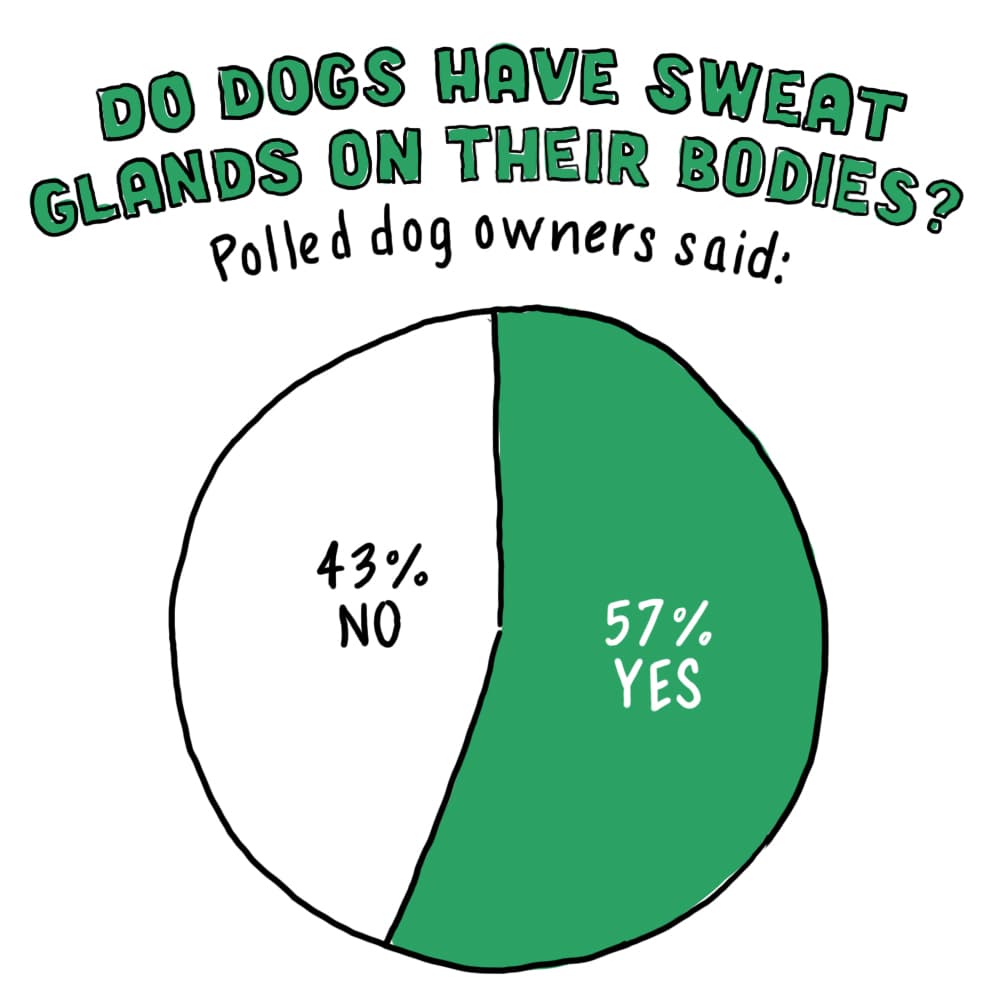
In a recent IAMS™ survey,* a majority of dog parents believed that dogs have sweat glands. But dogs don’t sweat like humans do. “We have glands all over our body. Dogs can’t do that,” says Opens a new windowDr. Jo Gale, BVetMed CertLAS MRCVS, Senior Manager, Global Science Advocacy at Waltham Petcare Science Institute. “They have sweat glands on their paw pads, but that’s the only place.” They rely on panting to let out warm air and bring in cooler air. All that drool and fluid in their mouth helps dissipate the heat as well. It’s like a big soggy air conditioner. 


Most mammals, and even many birds, pant to regulate their temperatures. Humans are some of the only creatures who cool down by perspiration. Imagine what dogs think of us losing fluid from all over our bodies, sweating through our clothes and needing to wipe our faces all the time. Fortunately, they love us anyway.


How to help your overheated dog

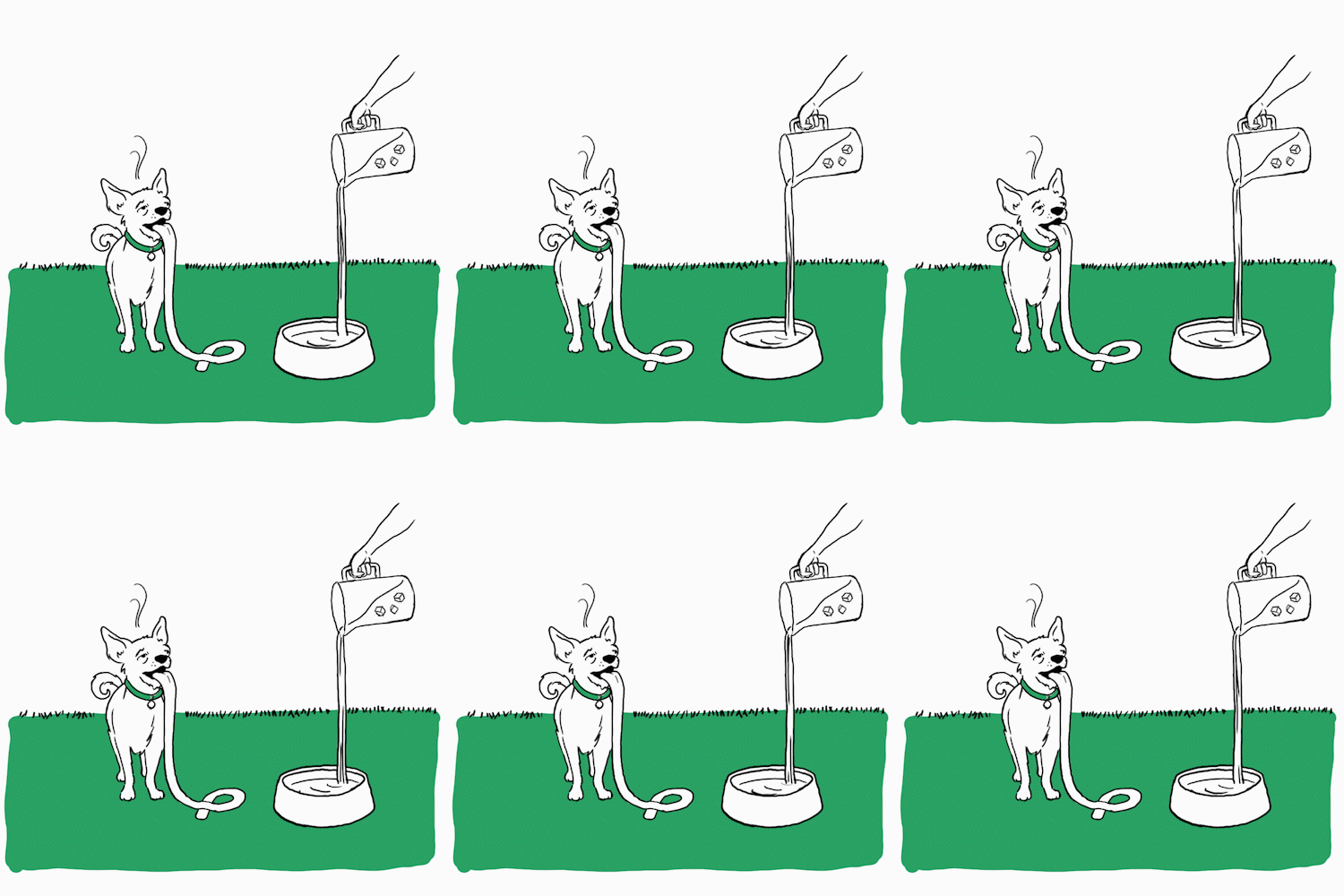
Panting is normal, but it expends lots of water, so make sure Fido’s bowl is full of clean, cool H2O, especially during warmer months. 

Opens a new windowDr. Tammie King, Applied Behavior Technical Leader at Waltham Petcare Science Institute, suggests “seeking out cool shade, giving them water and stopping physical activity.”


And it goes without saying — but we’re going to say it anyway — that you should never leave your dog in your vehicle on hot days. Even if they’re driving. Which you shouldn’t let them do either.


Signs of an overheated dog

Some dogs run a higher risk of overheating. “It’s very easy for dogs to overheat on very hot days,” cautions Dr. Jo Gale. “Any dog with a squashed face — bulldogs, pugs, Pekingese — their nasal passages are not able to cool the air as much.” She added that dogs with heavy coats, overweight dogs, and very old or very young pets also can’t control their body temperature as effectively.


If your pooch seems to be panting more than usual or at unusual times, check to see if they’re having trouble breathing, are shaking, or their gums or tongue have noticeably changed color. If so, make sure they have access to water, get them to a cool place and contact your vet.
 

*Surveyed U.S. dog owners, age 18+ 

Sample Size: n=201 

Fielded May 8-10, 2020
Why Do Dogs Pant?
Why Do Dogs Pant?
Why Do Dogs Pant?
  • Recognizing the Signs of Bloat in Your Dog
    Recognizing the Signs of Bloat in Your Dog-mob
    adp_description_block425
    Recognizing the Signs of Bloat in Your Dog

    • Share

    What Is Bloat?

    Bloat is a life-threatening condition that acts rapidly and can lead to death within hours if not recognized and treated immediately. Unfortunately, the cause of bloat remains unknown at this time.


    The scientific term for bloat is gastric dilatation-volvulus or GDV. Bloat is characterized by rapid and abnormal expansion of the stomach with gas (dilatation). This can be followed by rotation of the stomach (volvulus). This rotation closes both the entry to and exit from the stomach. The blood vessels also are closed down, and blood flow is restricted.


    What follows is an increase in pressure inside the stomach and compression of the surrounding organs. Eventually, shock will occur as a result of the restricted blood flow. Here are a few key facts about bloat:

    • Bloat should always be treated as a medical emergency.
    • Bloat can kill a dog within hours after onset.
    • The cause of bloat is unknown.
    • Bloat affects 36,000 dogs in the United States each year; 30% die as a result of this condition.
    • Bloat can occur in dogs of any age.
    • Certain breeds are more susceptible to bloat, particularly deep-chested dogs.
    • The stomach rapidly expands with gas then rotates on the long axis. Entry to and exit from the stomach is prohibited, causing blood vessels to close and restriction of blood flow.


    Signs of Bloat

    Bloat is a true medical emergency, and early identification and treatment is critical to survival.


    In the early stages of bloat, the dog will be very uncomfortable. You might see him pacing and whining or trying unsuccessfully to get into a comfortable position. He might seem anxious, might lick or keep staring at his stomach, and might attempt to vomit, without success.


    Other indications of bloat can include weakness, swelling of the abdomen, and even signs of shock. Signs of shock are increased heart rate and abnormally rapid breathing.


    If you notice these signs, call your veterinarian immediately!


    • Whining
    • Inability to get comfortable
    • Pacing or restlessness
    • Pale gums
    • Unproductive attempts to vomit
    • Abnormally rapid breathing
    • Increased heart rate
    • Anxiety
    • Pain, weakness
    • Swelling of the abdomen (particularly the left side)


    Helping Prevent Bloat

    These suggestions could help you prevent bloat in your dog. However, they are based on suspected risk factors and are not guaranteed to prevent the onset of bloat.


    • Feed small amounts of food frequently, two to three times daily.
    • Avoid exercise for one hour before and two hours after meals.
    • Don't let your dog drink large amounts of water just before or after eating or exercise.
    • If you have two or more dogs, feed them separately to avoid rapid, stressful eating.
    • If possible, feed at times when after-feeding behavior can be observed.
    • Avoid abrupt diet changes.
    • If you see signs of bloat, call your veterinarian immediately.


    Digestible Foods

    Another way you might help prevent bloat is to feed a high-quality, highly digestible food with normal fiber levels.


    Feeding management offers the best method available for reducing risk until the exact cause of bloat can be identified. Although not 100% effective, these measures can reduce the number of dogs that face this serious, life-threatening condition.


    High-Risk Breeds

    • German Shepherd
    • Bouvier de Flandres
    • Great Dane
    • Boxer
    • St. Bernard
    • Doberman Pinscher
    • Bloodhound
    • German Shorthaired Pointer
    • Irish Setter
    • Gordon Setter
    • Borzoi
    • Irish Wolfhound
    • Dachshund
    • Labrador Retriever
    • Basset Hound

Close modal