IAMS IN
How to house train a puppy
How to house train a puppy mobile

adp_description_block119
How to house train a puppy

  • Share

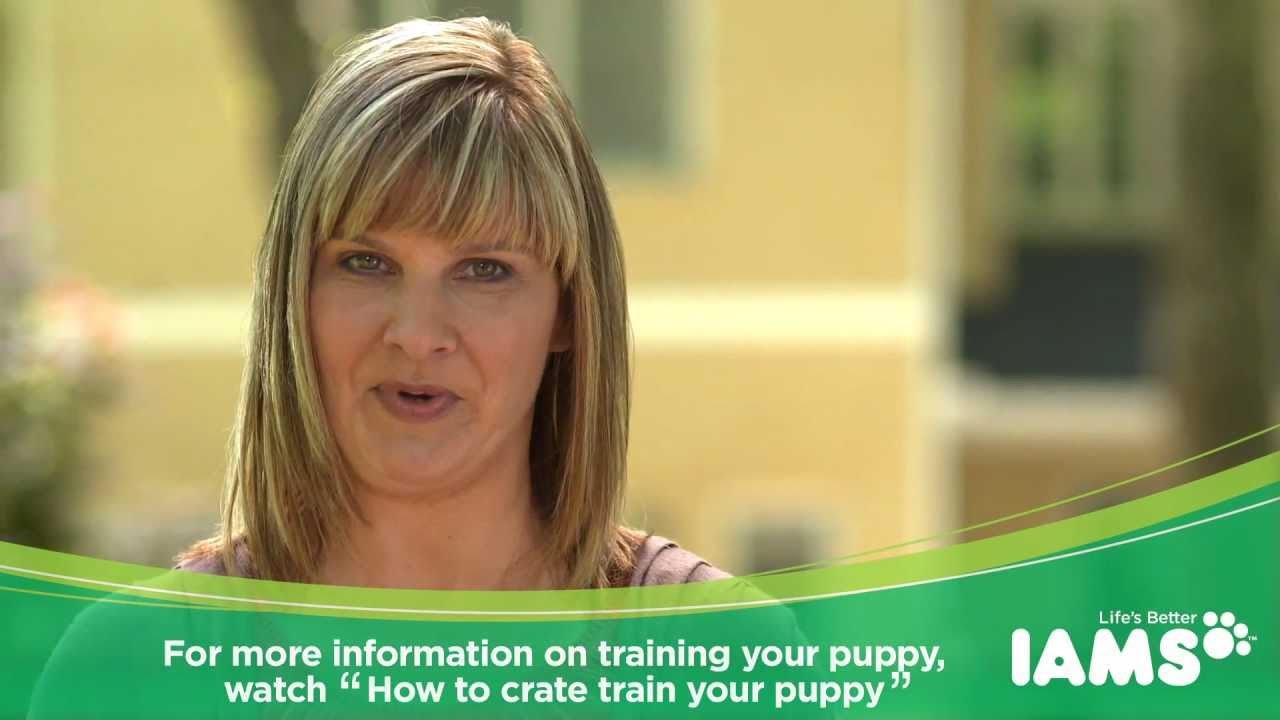
A new puppy is wonderful in pretty much every way, at least until they start having accidents around your apartment or house. But do not fear, Expert Pet Trainer Kathy Santo has all the answers. Watch as she takes you through the basics on everything from establishing a routine to rewarding your puppy when they eliminate outdoors.


House training your puppy requires more than a stack of old newspapers. It calls for patience, commitment, and above all, consistency. Hi, I'm Kathy Santo with IAMS, and today we're going to talk about how to house train your puppy. A trusting and consistent relationship is fundamental to successful house trading. The more consistent you are, the faster your puppy will learn. House training a puppy can take several weeks, and sometimes longer with smaller breeds. The first step to house training your puppy is to establish a routine. Puppies do best on a regular schedule, because it teaches them that there are times to eat, times to play, and times to potty. As a general rule, a puppy can control his bladder about an hour for every month of age. So if your puppy is only three months old, he can probably only hold it for about three hours, if not less. Make sure to take him right out after he wakes up, during and after play time, and after eating or drinking, because these are times he'd most likely to have to go. If you work, and are unable to take your puppy outside as often as needed, you could hire a dog walker to give your puppy his necessary breaks. I recommend picking a specific bathroom spot outside, and always taking him there first when he's on a leash. While your puppy is going, say something like, 'go potty,' so that you can eventually use that phrase to remind him what to do. You should take him out for a walk or play time after he's gone potty, or he might just learn to hold it to keep you outside. Reward your puppy every time he goes potty outdoors with praise or a treat, but make sure to do so immediately, before he goes back into the house. Rewarding correct behavior is the best way to teach your puppy. Be careful not to reward your puppy until he's completely finished, or he may forget to finish up outside, and then have an accident inside. And remember, what goes into a puppy on a schedule comes out of a puppy on a schedule. So always take your puppy out after feeding. Try picking up your puppy's water dish about two and a half hours before bedtime, so he won't have as much water to try and hold overnight. If you keep a consistent schedule, your puppy could be house trained by the time he's five to six months old. But don't be discouraged if it takes your puppy longer, or has an occasional accident. Many factors, including breed of dog, consistency, and temperament can contribute to a longer training period. If you feel that there's little to no progress, consult with your veterinarian to be sure that a medical issue, such as a bladder infection, isn't the culprit. Supervision in the beginning is critical. Exercise pens are extremely helpful while house training. Keeping your puppy in a small space within eyesight will allow you to notice and react when they start showing the signs of needing to eliminate. Those signs can be barking, scratching at the door, squatting, sniffing, or circling. If you're unable to monitor your puppy, you can confine him to an area small enough so that he won't want to eliminate there. A space just large enough for him to lay down with a couple extra inches is just fine. Many people choose to combine with a crate, which can be very helpful for house training your young dog. For more information on crate training, watch 'How To Crate Train Your Puppy.' I'm Kathy Santo with IAMS, and I hope that you found this helpful as you welcome your new addition to your family.

  • Common Questions about Feeding Your Dog
    Common Questions about Feeding Your Dog
    adp_description_block324
    Common Questions about Feeding Your Dog

    • Share

    Feeding your dog the right nutrients and a complete, balanced diet doesn’t have tobe a head-scratcher. Find out how to choose the right dog food, how often to feedyour dog, how to handle treats and supplements, and much more.


    Jump to questions about:

    Your Dog’s Food and Feeding Schedule

    So you’ve found a new cat you can’t wait to bring home to your growing fur family.While it may be tempting to simply put all cats in a room and let them work out the introductions, this can cause a lot of stress for new and resident cats alike. Here area few ways to help the introduction go smoothly.

    How Do I Decide Which Food to Feed?

    When deciding which pet food is right for your pet, consider these three factors:your dog’s life stage, lifestyle and overall condition. Life stage refers to whether your dog is a puppy, an adult or a senior. Lifestyle refers to how active or inactive your dog is normally. Condition refers to your dog’s overall health and body weight.

    How Often Should I Feed My Dog?

    How Often Should I Feed My Dog?

    Puppies should be fed three times a day from weaning (3 to 6 weeks) to 4 months of age. After 4 months, they should be fed twice a day. Most dogs should continue to be fed twice a day throughout their life, although some pets do well with one feeding.

    How Much Should I Give My Dog to Eat?

    The amount to feed your dog depends on their age, size and activity level. Feeding guidelines, which list the daily-recommended portion, are included on all IAMS™packages. Start feeding with this amount and adjust according to your pet’s needs.Remember to divide the portion accordingly if you feed more than once a day.

    When Should I Switch My Puppy to Adult Dog Food?

    You should switch your puppy to a premium adult dog food like IAMS™ Lamb and Rice Recipe when they reach adult height. Small breeds that weigh less than 20pounds can usually start eating adult food between 9 and 12 months of age. Medium breeds weighing between 20 and 50 pounds can eat adult food at 12 to 14months of age. Large and giant breeds that weigh 50 or more pounds can transition from puppy food to adult dog food between 12 to 24 months of age. If you’re notsure, consult your vet.

    What Is The Best Way to Introduce a New Diet to My Dog?

    When changing your dog’s diet, it’s important to slowly introduce new food. Start by offering your dog’s daily portion in a ratio of 25% new food to 75% current food. During the next three days, gradually increase the amount of new food anddecrease the amount of the old food.


    Nutritional Needs for Dogs
     

    Should I Feed My Dog Both Wet and Dry Food?

    Wet food is an excellent treat that can be fed alone or mixed with dry food. Although IAMS™ wet dog foods are nutritionally complete and balanced, you don’t have to offer wet food at every feeding. IAMS™ dry dog foods are formulated with high-quality protein sources such as such as chicken or lamb, and contain all the essential nutrients pets need. The crunchy texture of dry food also promotes healthy teeth and gums, and aids in overall good oral hygiene. In addition, some ofour dry dog foods contain a dental ingredient, sodium hexametaphosphate (HMP),to help block tartar build up on teeth during and after meals.


    Should I Feed My Dog Both Wet and Dry Food?


    What Should I Feed My Dog If They’re Overweight?

    If your dog is considered overweight for their breed and size, feeding a weight control dog food like IAMS™ Adult Healthy Weight, along with increasing their exercise and movement, can help address the issue. Don’t simply feed your dog less food — they still need to consume adequate protein, essential fatty acids and other nutrients even while they’re losing weight. And make sure to consult your vet before putting your dog on a weight management program.

    What Should I Feed My Pregnant or Nursing Dog?

    If your dog is pregnant or nursing, her nutritional needs have changed. The best food for a pregnant dog is a high-quality, nutrient-dense pet food formulated for all life stages, or for growth. A pregnant dog needs to consumer 25% to 50% more food than normal by the end of her pregnancy. A nursing dog should be fed a nutrient-dense diet such as IAMS™ Puppy and needs to eat two to three times her normal food requirement so she can nourish her puppies.

    Why Does My Dog Need to Eat Protein?

    Protein is an essential nutrient for dogs: It gives dogs amino acids that support healthy skin and a healthy coat, as well as muscles, tendons, ligaments and cartilage. High-quality animal-based proteins, like those found in chicken, lamb, fish and beef, contain all of the essential amino acids that dogs need to achieve optimal health.

    How Can I Learn More about Pet Nutrition?

    Contact MARS Petcare toll-free at 1-800-675-3849.


    Dog Eating Habits and Behaviors
     

    Will My Dog Be Bored Eating the Same Food All the Time?

    No. Boredom with food is a human trait. Dogs are creatures of habit and usually are happy with just one food. Dogs generally eat to meet their energy or nutritional needs. They have very short digestive systems, and if their diet is abruptly or constantly changed, digestive disturbances can occur. Also, constant changes can make your dog a finicky eater.

    Is It OK to Moisten Dry Food?

    Adding water will not change the nutritional value of a dry pet food. However, once moisture is added, make sure your dog eats it relatively soon — and also discard any uneaten portion to avoid spoilage. Feeding dry food is usually encouraged because of the benefit to your dog’s dental health.

    Will It Hurt My Dog If They Eat My Cat’s Food?

    Cats and dogs have different nutritional requirements and should not eat each other’s food. For example, cats require a much higher level of taurine in their diet. An occasional venture into each other’s bowls will not be harmful, but is not recommended on a regular basis.


    Treats and Supplements
     

    Can I Supplement Your Dog Foods with Vitamins, Minerals,Oils, etc.?

    Our foods are nutritionally complete and balanced. Adding vitamins, minerals or oils can offset the balance the food provides. One of the benefits of feeding a high quality product is that it has been carefully balanced in proper ratios to provide optimal nutrition — nothing needs to be added.

Close modal