Enter a keyword below to search for articles and products.
Bloat is a life-threatening condition that acts rapidly and can lead to death within hours if not recognized and treated immediately. Unfortunately, the cause of bloat remains unknown at this time.
The scientific term for bloat is gastric dilatation-volvulus or GDV. Bloat is characterized by rapid and abnormal expansion of the stomach with gas (dilatation). This can be followed by rotation of the stomach (volvulus). This rotation closes both the entry to and exit from the stomach. The blood vessels also are closed down, and blood flow is restricted.
What follows is an increase in pressure inside the stomach and compression of the surrounding organs. Eventually, shock will occur as a result of the restricted blood flow. Here are a few key facts about bloat:
Bloat is a true medical emergency, and early identification and treatment is critical to survival.
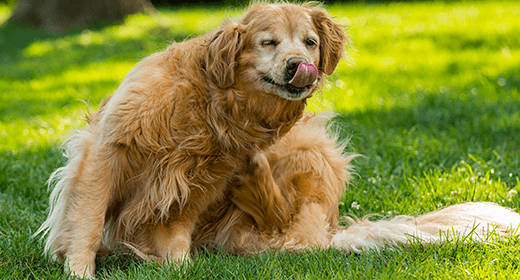
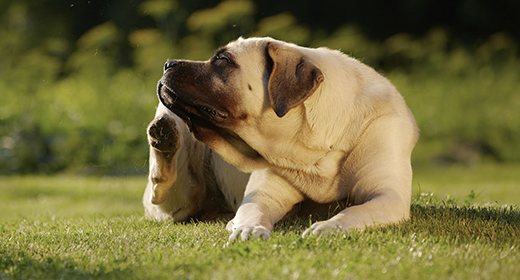
In the early stages of bloat, the dog will be very uncomfortable. You might see him pacing and whining or trying unsuccessfully to get into a comfortable position. He might seem anxious, might lick or keep staring at his stomach, and might attempt to vomit, without success.
Other indications of bloat can include weakness, swelling of the abdomen, and even signs of shock. Signs of shock are increased heart rate and abnormally rapid breathing.
If you notice these signs, call your veterinarian immediately!
These suggestions could help you prevent bloat in your dog. However, they are based on suspected risk factors and are not guaranteed to prevent the onset of bloat.
Another way you might help prevent bloat is to feed a high-quality, highly digestible food with normal fiber levels.
Feeding management offers the best method available for reducing risk until the exact cause of bloat can be identified. Although not 100% effective, these measures can reduce the number of dogs that face this serious, life-threatening condition.
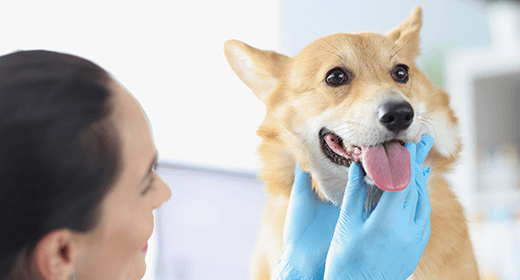
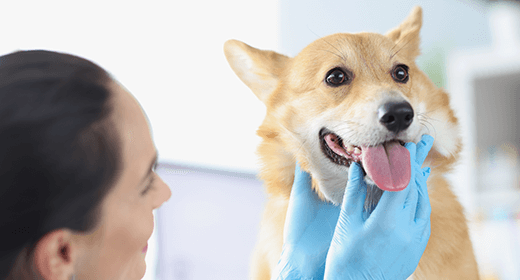
Oral care is a key component of your pet’s overall health: A smart regimen can help prevent the development of serious conditions. Keeping your pet’s teeth clean and bacteria-free results in more than just healthy teeth and fresh breath. With a little know-how and effort, you can protect your pet for a lifetime of companionship.
Tartar and gingivitis are the most common problems seen by veterinarians. The majority of dogs will develop these problems. Unchecked, these can lead to periodontitis and serious health concerns for your pet, up to and including, tooth loss and serious illness. But you can take action to control this and promote good oral health by incorporating the 3Ds: Daily Brushing, Dentistry. and Diet.
Daily brushing of your pet’s teeth will remove plaque and slow the development of tartar. When first beginning to brush, be gradual and make it a pleasant experience. Start by using your finger. Later, introduce a toothbrush. Be sure to praise and reassure your pet while brushing. Also, reward your pet afterward with play or a walk.
Talk with your veterinarian about annual or semiannual teeth cleaning—a dental prophylaxis or prophy for short. Teeth cleaning, performed by your veterinarian, is the only way to remove tartar.
Diet is important to good oral health. The mechanical, brushing action of dry, crunchy kibbles helps remove plaque and works to scrub teeth clean. Some diets also might include ingredients such as hexametaphosphate (HMP) that can help block tartar formation. Diet, daily brushing, and dentistry helps break the plaque-to- tartar cycle and optimize oral health.