Enter a keyword below to search for articles and products.


Antioxidants are nutrients found naturally in the body and in plants such as fruits and vegetables. Common antioxidants include vitamin A, vitamin C, vitamin E, and certain compounds called carotenoids (like lutein and beta-carotene).
As cells function normally in the body, they produce damaged molecules called free radicals. These free radicals are highly unstable and steal components from other cellular molecules, such as fat, protein, or DNA, thereby spreading the damage.
This damage continues in a chain reaction, and entire cells soon become damaged and die. This process is called peroxidation. Peroxidation is useful because it helps the body destroy cells that have outlived their usefulness and kills germs and parasites. However, peroxidation, when left unchecked, also destroys or damages healthy cells.
Antioxidants help prevent widespread cellular destruction by stabilizing free radicals. More important, antioxidants return to the surface of the cell to stabilize, rather than damage, other cellular components.
When there are not enough antioxidants to keep peroxidation in check, free radicals begin damaging healthy cells, which, in turn, can lead to problems. For example, free-radical damage to cells of the immune system can lead to an increased risk of infections.
Because antioxidants play a key role in minimizing damage to human cells, such as those that make up the immune system, research examined the benefits of certain antioxidants on the immune response of dogs. The results of these studies indicated that antioxidants are important in helping dogs maintain a healthy immune system.
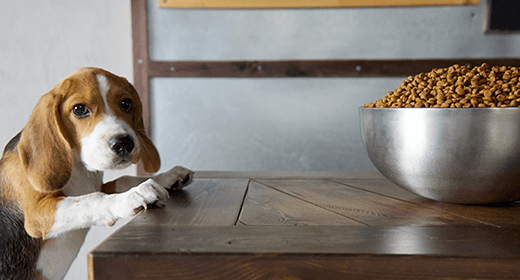
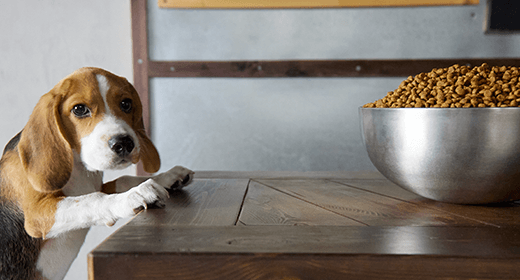
Dog-food products described as light, lite, or low calorie must meet specific calorie levels set by the Association of American Feed Control Officials (AAFCO), while dog foods named “less” or “reduced calorie” must show a percent reduction in calories as compared to a product in the same moisture-content category. The following table shows the guidelines as set by AAFCO for both dog and cat foods for determining whether a product can use the term “light.”
| Food Texture | Moisture Content | Dog Foods Maximum kcal ME/kg | Cat Foods Maximum kcalME/kg |
|---|---|---|---|
| Dry | less than 20% moisture | 3,100 | 3,250 |
| Semi-Moist | between 20 and 64% moisture | 2,500 | 2,650 |
| Canned | 65% or more moisture | 900 | 950 |
Like light versus reduced-calorie foods, lean or low-fat dog-food products must meet specific fat levels set by AAFCO, and less-fat or reduced-fat dog-food products need to show a percent reduction in fat as compared to a product in the same moisture category. AAFCO guidelines for dog and cat foods with “lean,” “low fat,” or similar words are shown in the following table.
| Food Texture | Moisture Content | Dog Foods Maximum % Crude Fat | Cat Foods Maximum % Crude Fat |
|---|---|---|---|
| Dry | less than 20% moisture | 9 | 10 |
| Semi-Moist | between 20 and 64% moisture | 7 | 8 |
| Canned | 65% or more moisture | 4 | 5 |