Enter a keyword below to search for articles and products.
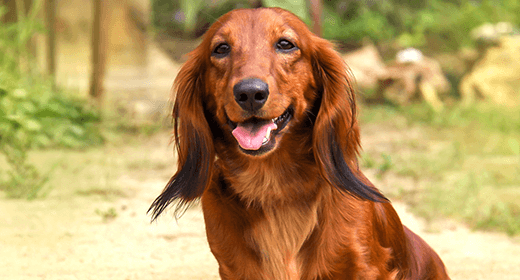
Nutrients such as protein, fat, vitamins, and minerals are important players in the skin and coat health of dogs. To understand the role of these nutrients, it is necessary to start by understanding skin and hair.
The purpose of skin and hair is to block things from leaving (such as water or heat) or entering (such as viruses and bacteria) the body.
The hair coat is composed almost entirely of protein. If the animal's diet doesn't contain adequate protein quantity and quality, hair may fall out, or become dry, weak and brittle.
Skin is made up of squamous cells, flat cells tightly packed together. These cells have tough membranes that are composed of proteins and fats. Without proper amounts of these nutrients, cell membranes weaken, allowing water to escape and bacteria and viruses to enter more easily.
Proteins are found in both animal-based and plant-based ingredients. Animal-based proteins contain all the essential amino acids dogs need, whereas plant-based proteins may contain only some essential amino acids. Animal-based proteins help dogs achieve optimal health.
Fats can also be found in both animal-based and plant-based ingredients. They are incorporated into skin cells as fatty acids. There are two essential fatty acids for skin and coat health. Linoleic acid maintains skin and coat condition in dogs. Without enough linoleic acid dogs may experience dull, dry coat, hair loss, greasy skin and increased susceptibility to skin inflammation.
Both of these essential fatty acids are omega-6 fatty acids and are found in animal tissues like chicken fat. Linoleic acid is also found in some vegetable oils, such as corn and soybean oils.
Most commercial dog diets contain more than adequate amounts of omega-6 fatty acids. Because these fatty acids can be converted to compounds that increase susceptibility to skin inflammation, it is important to balance the amount of omega-6 fatty acids in the diet with omega-3 fatty acids, which reduce susceptibility to inflammation.
Omega-3 fatty acids are found in oils from fish and some plants (canola and flax).
IAMS research has found that combining fat sources in the diet at a ratio of 5-10 omega-6 fatty acids to 1 omega-3 fatty acid results in excellent skin and coat health.
Vitamins and minerals are essential for the development of healthy skin and hair coat. The best way to provide these nutrients is through a complete and balanced diet containing appropriate amounts of essential vitamins and minerals rather than through supplements.
| Vitamin or Mineral | Importance to Skin and Coat Health |
|---|---|
| Vitamin A | Necessary for growth and repair of skin |
| Vitamin E | Protects skin cells from oxidant damage |
| Biotin | Aids in the utilization of protein |
| Riboflavin (B2) | Necessary for fat and protein metabolism |
| Zinc | Necessary for fat and protein metabolism |
| Copper | Involved in tissue pigment and protein synthesis |
Diet is often believed to be a factor when changes in skin and coat condition are noticed. The most common causes of these changes, however, are season and life stage.
As cold weather approaches, most dogs grow a thick coat to help keep heat in and cold air out. As the weather begins to warm up, they shed the thick, heavy coat.
Most puppies are born with soft fuzzy hair, but as they age, a coarser coat grows. Pregnant or lactating dogs also may experience a change in coat condition or hair loss. And, as with humans, the hair on dogs may thin out and become coarser and white as they reach their senior years.


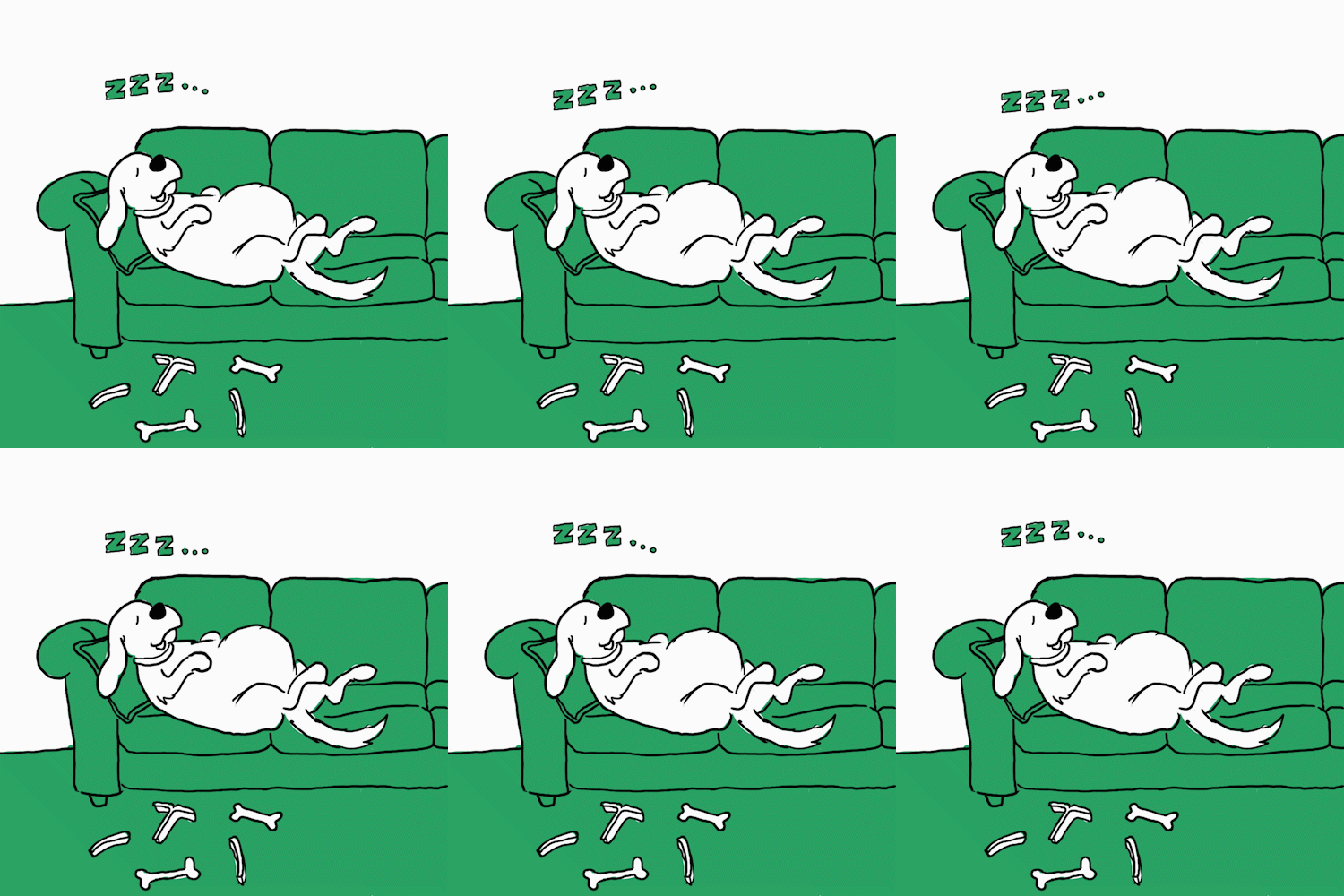
We asked dog owners* how many hours a day they think their adult dog sleeps. The answers averaged around 9.7 hours. Truth is, dogs normally sleep around 12-14 hours a day. (Cats sleep 12-16 hours, which is why it’s called a “catnap,” we presume.) “Normal” can depend on lots of things. Bigger breeds definitely need more z’s. Older dogs tire quicker and sleep more. Growing puppies need up to 20 hours a day. Being cute must really be tiresome.
But why do they sleep so much? We’re not going to let sleeping dogs lie; we’re getting to the answers.
Dogs spend less time in deep REM sleep, so they’re able to wake quickly and be ready to go — whether it’s responding to danger or the opening of a bag of chips. It also means they need to doze more often to make up for that lack of truly restful sleep.
In general, carnivores need more rest. “In their wild dog and wolf days, it was a hunt for food, bringing down large prey, then feasting,” says
Opens a new windowDr. Jo Gale, BVetMed CertLAS MRCVS, Senior Manager, Global Science Advocacy at Waltham Petcare Science Institute. “They’d spend a long time digesting and may not eat for a few days. There’s a tendency to conserve energy.” Just think about how you feel after eating a huge steak. Incoming meat coma. Goodbye, belt. Hello, sofa.
Yawn. When owners are out of the house, dogs often sleep simply because they’re bored. They’re not into books and haven’t quite figured out how to turn on the TV, so why not catch a few extra winks? Plus, they want to be super refreshed when you come back home in the evening.
Some dogs like to sleep longer and some dogs are just lazier than others. According to
Opens a new windowDr. Tammie King, Applied Behavior Technical Leader at Waltham Petcare Science Institute, “You might see more sleeping after intense exercise or they’ve gone to a pet sitter or boarding center due to high stimulation.” There’s usually no cause for concern unless they seem lethargic and lose interest in playing or eating, or begin listening to a lot of emo music.
Their wild days long gone, dogs have adapted their sleep schedules to match humans’ sleep schedules. Sort of. They still might get you up in the night or early morning before your alarm goes off. It’s best to exercise them in the morning and evening so they’re more tired — and have used the facilities — right before everyone else goes to sleep.
Now, the only question remaining is, what do you think your dog dreams about?
*Surveyed U.S. dog owners, age 18+
Sample Size: n=201
Fielded May 8-10, 2020