Enter a keyword below to search for articles and products.

We’re not talking about the “Sit. Shake.” kind of shake. Nor the fun way they shake off water starting from their nose all the way to the end of their tail. (FYI, dogs can shake off 70% of the water on their fur in just four seconds!)
No, we’re talking about that full-body trembling you’ve likely seen your pooch do from time to time. Why do they do it? And is it something you should be worried about? Let’s shake a leg and find out.
A majority of dog owners in an IAMS™ survey* (64%) think dogs shake because they’re cold. Other top responses were because they’re scared (57%) or anxious (54%).
High-fives all around because it turns out there are a number of reasons dogs shake, and all those are possible correct answers.
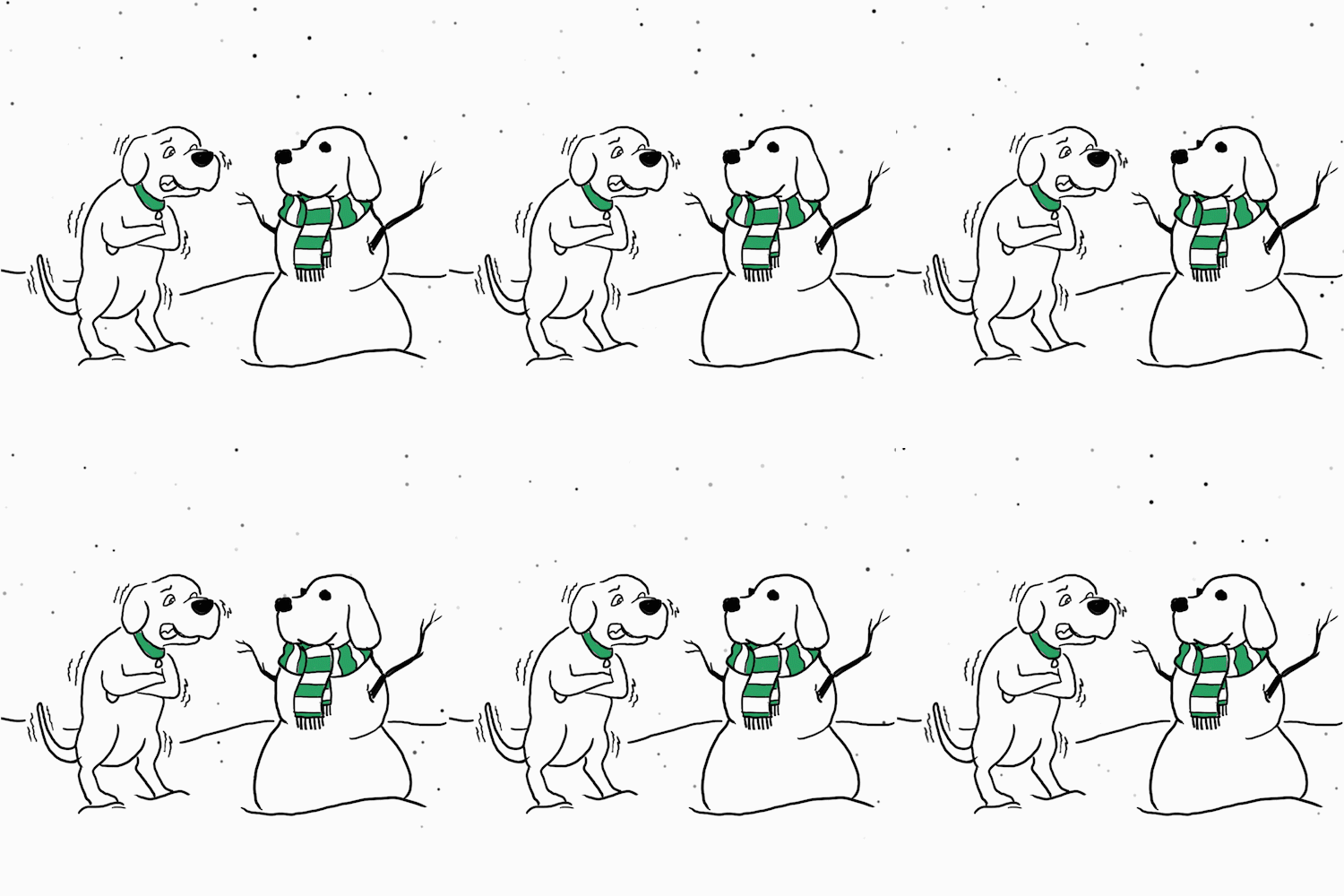
Just like their owners, dogs will often shiver when cold.
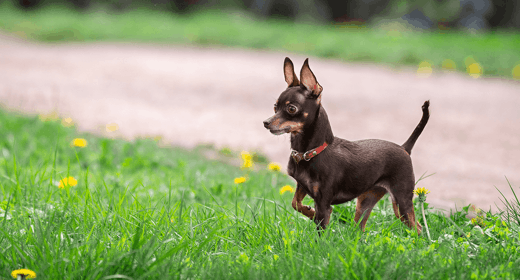
Opens a new windowDr. Tammie King, Applied Behavior Technical Leader at Waltham Petcare Science Institute, says: “Dogs shiver in response to falling temperatures. Dogs with short or no hair are especially susceptible. You should get them warm, put coats on them or bring them inside.” Same goes for you.
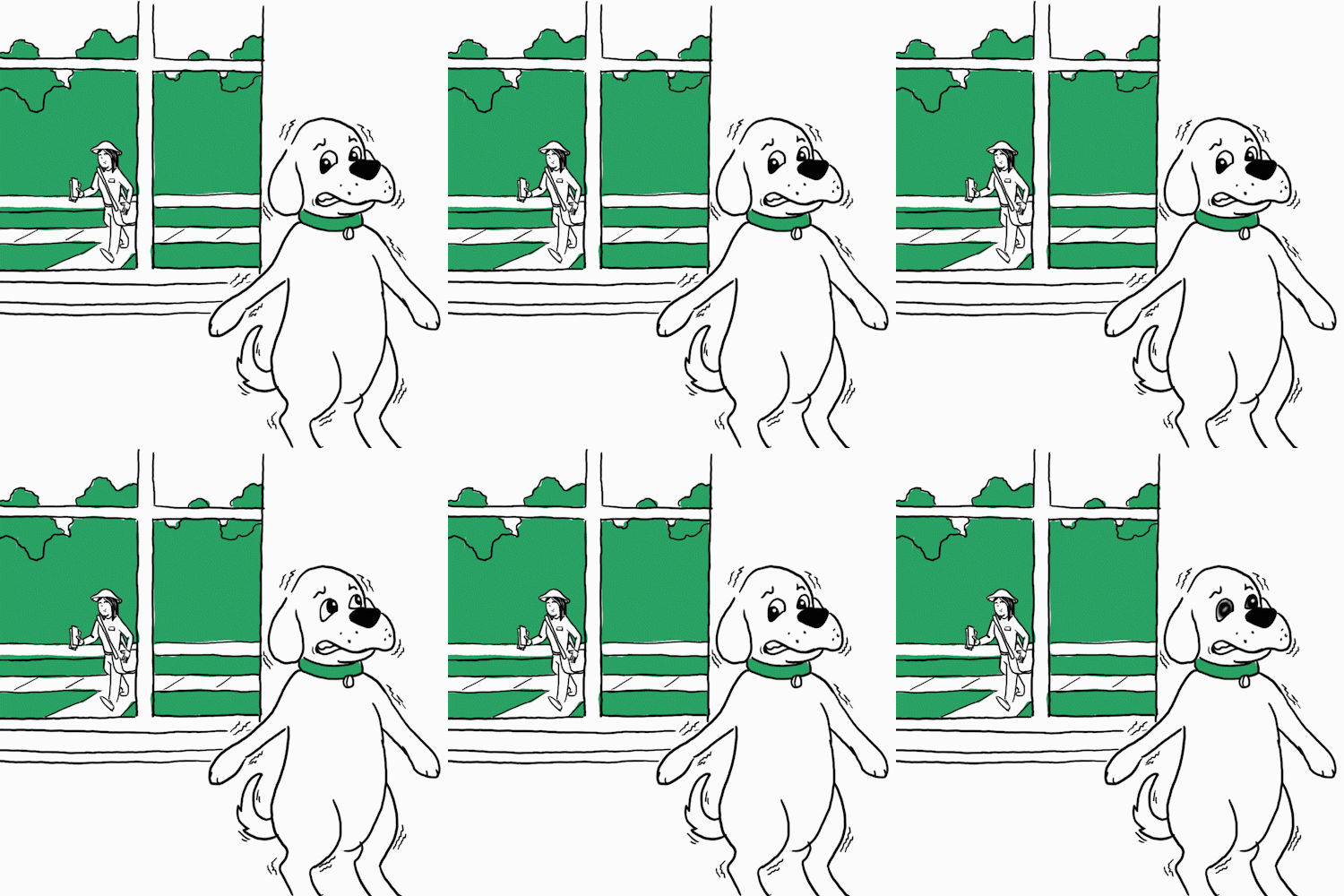
“Shaking is a response to epinephrine or adrenaline secretion — a sign of anxiety where the dog is on high alert,” says
Opens a new windowJames Serpell, B.S., Ph.D., Professor of Humane Ethics & Animal Welfare at the University of Pennsylvania School of Veterinary Medicine. You may notice this when you’re at the vet or there’s a situation where they feel threatened. Dr. Serpell also offers a way to help in some cases: “Identify what’s triggering the behavior. Provide them comfort. Going forward, you can gradually desensitize your pet to the thing it’s afraid of.” Unless it’s clowns. Those are always scary.
Trembling can also be a sign of serious issues like injury, poisoning or kidney disease. Opens a new windowDr. Jo Gale, BVetMed CertLAS MRCVS, Senior Manager, Global Science Advocacy at Waltham Petcare Science Institute urges pet owners to be vigilant: “If a pet is unwell in another way, they could be trembling.” If their shaking is accompanied by symptoms like diarrhea, limping or vomiting, you should consult your vet straight away.
*Surveyed U.S. dog owners, age 18+
Sample Size: n=201
Fielded May 8-10, 2020
Good nutrition is as important to your dog’s health as it is to your own. But with thousands of different pet foods available, how do you pick the right one for your dog?
Learn how to choose a dog food that provides the proper, balanced nutrition your dog needs to thrive with these six tips.
In general, while a human diet should be high in fiber and low in fat, a dog needs more fat for energy and a healthy skin and coat, and less fiber for good intestinal health.
Preferably, a dog’s food should include meat, too. Even if you prefer a vegetarian diet, designing a high-quality dog diet without animal protein is difficult. IAMS™ Company research supports that meatless meals might not provide optimal nutrition for dogs. Dogs are best fed as carnivores because they have simple stomachs and short intestines that are ideal for digesting animal protein and animal fat. Dogs also need carbohydrates for energy.
Start by identifying your dog’s life stage and lifestyle. Puppies, nursing mothers and mature pets each represent different life stages, and each one has different nutritional requirements. By law, all dog foods must state the life stage for which they are recommended.
Nutritional needs also vary depending on lifestyle. A dog whose primary activity is guarding the couch doesn’t need as much energy as one who guards a flock of sheep. Another factor to consider is breed size: small, medium or large.
Finally, consider medical conditions your dog has, such as food allergies, that might require your veterinarian to recommend a special diet.
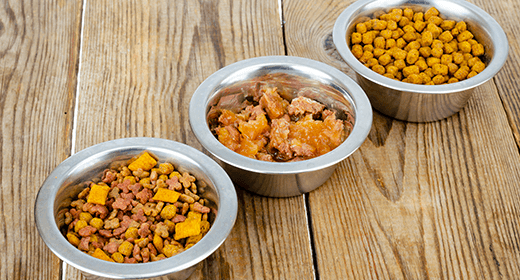
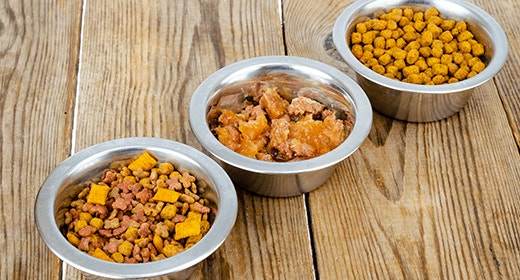
Once you’ve determined your dog’s life stage and lifestyle needs, decide whether to feed him dry or canned food. Most dogs do well eating only dry food. Dry foods promote oral hygiene for healthy teeth and gums through abrasive chewing action. Some dogs, especially finicky eaters, enjoy wet food because of its smooth, wet texture.
Remember that while dry food can be left in a bowl all day, wet food should be thrown away after 30 minutes if not consumed. Dry food is the best choice for busy people who are not normally home during the day.
After you determine your pet’s nutritional needs and preference, you are ready to go shopping.
Ingredients on dog-food labels are listed in descending order according to weight. Because dogs thrive on animal-based diets, it’s best to pick a food that features an animal-based protein source, such as chicken, lamb, fish or egg, as the first ingredient. Unlike a single-vegetable-based protein source, such as soybean meal or corn-gluten meal, animal-based protein sources contain adequate amounts of essential amino acids.
Scientific studies show that a combination of carbohydrates in the diet, such as corn meal or barley and grain sorghum, offers optimal carbohydrate digestibility and helps maintain energy levels. In addition, scientific studies show that beet pulp — the material remaining after sugar is extracted from sugar beets — is an excellent fiber source and promotes a healthy digestive tract. Finally, for a glossy coat and healthy skin, your pet needs fat in the diet. Good fat sources include chicken fat and fish oil.
Dog-food labels provide limited information about the nutritional value of the food because labeling regulations do not allow manufacturers to describe the quality of ingredients on the package.
A reputable pet-food manufacturer will be able to explain their specific methods for evaluating and assuring the quality of ingredients used in its products.
When choosing food, the price on the bag, while important, is usually not the best consideration. A low price might indicate inexpensive ingredients, or ingredients that change as market prices fluctuate.
Also, many lower-priced products have higher daily portions to provide the same amount of nutrition found in a high-quality diet. To get a better representation of value, it is the cost per feeding, not the total cost, that counts.
To figure cost per feeding, divide the total cost by the number of days the product lasts. For example, a 20-pound bag of food costs $18.99 and lasts 30 days. The cost to feed is $0.63 per day. A 20-pound bag of food that costs $15.99 and lasts 20 days costs $0.80 per day. So, when costs are analyzed properly, high-quality pet foods compare quite favorably to other brands while offering outstanding nutrition.