Enter a keyword below to search for articles and products.
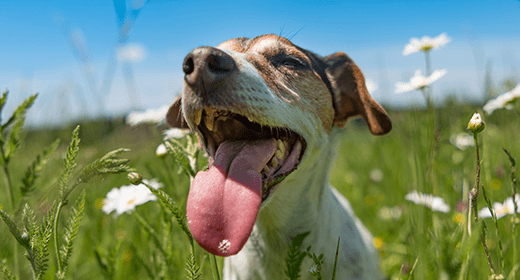
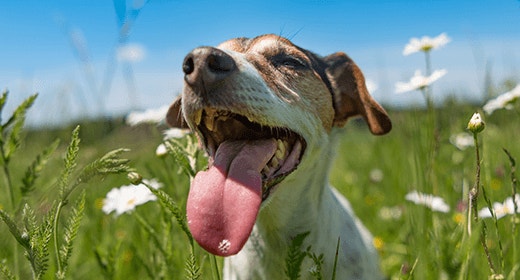
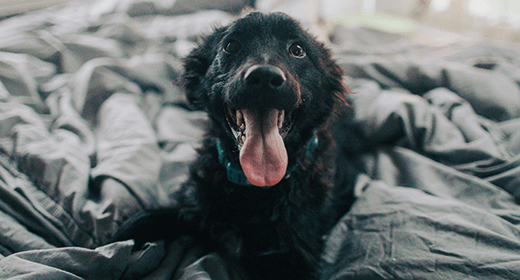
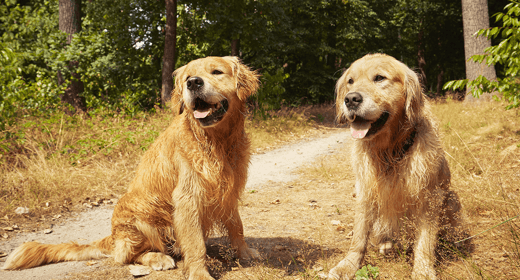
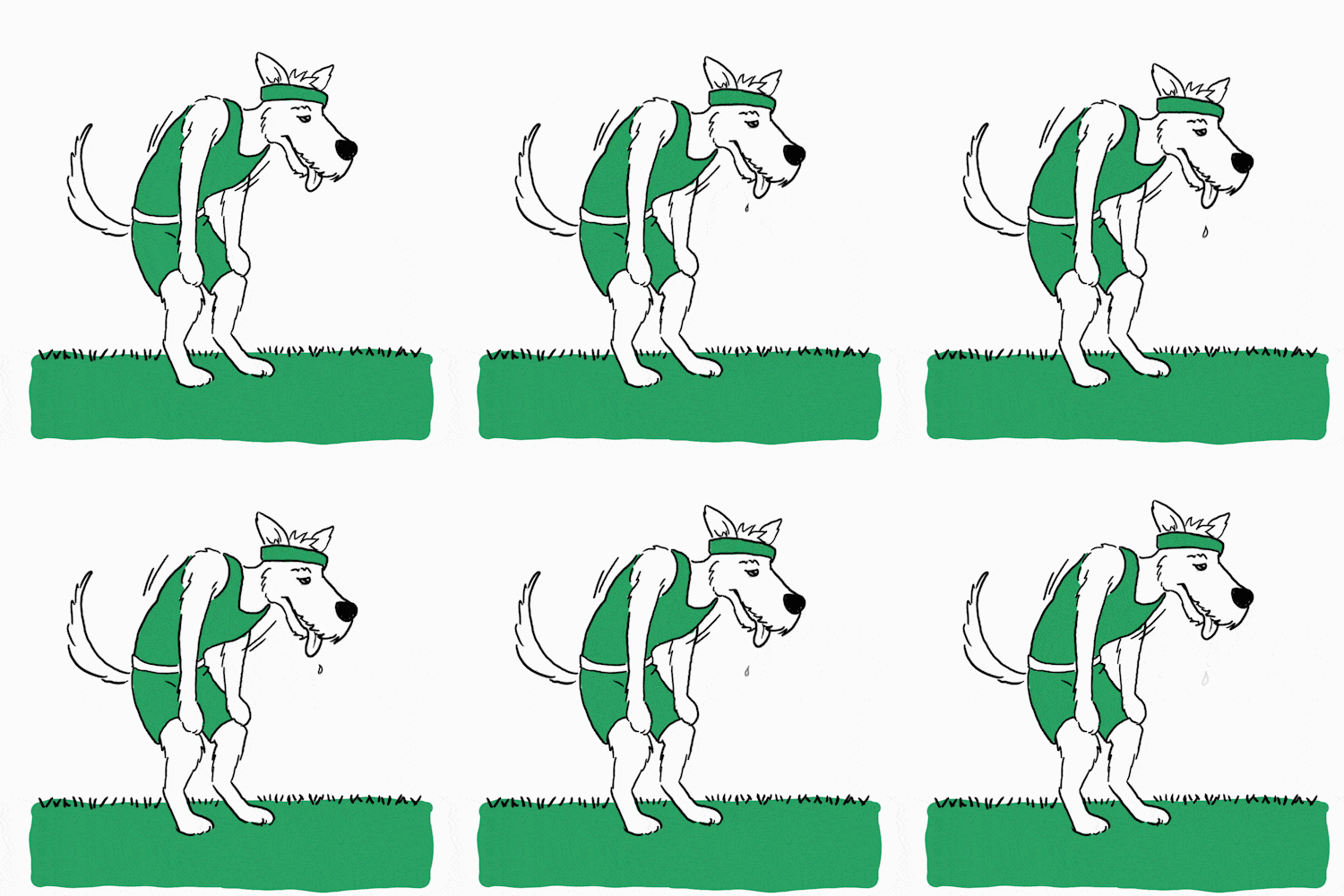
Panting is when dogs breathe rapidly with their mouth open and tongue hanging out like a slobbery yo-yo. You know what we’re talking about. So other than as an effective method of drool distribution, why do they do it?
Some dogs may occasionally pant when they’re excited or afraid, but the main reason is to help keep themselves from overheating.
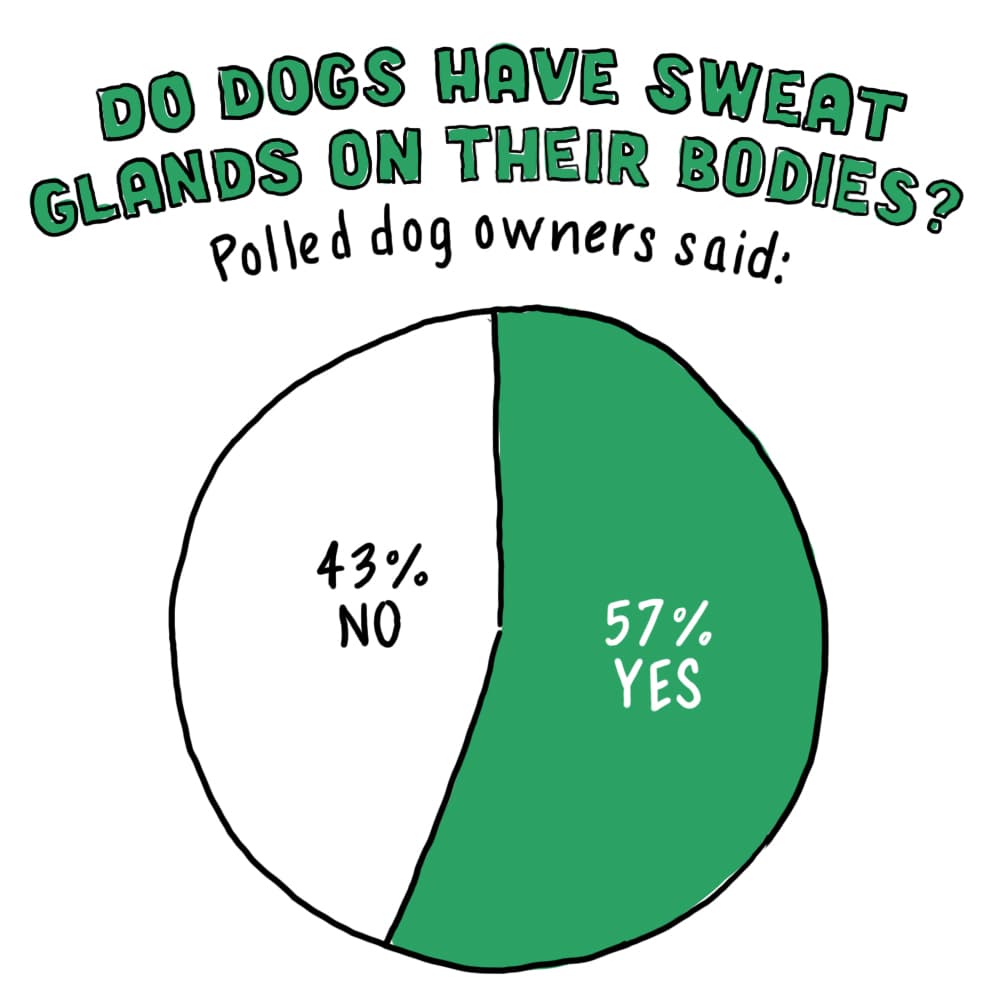
In a recent IAMS™ survey,* a majority of dog parents believed that dogs have sweat glands. But dogs don’t sweat like humans do. “We have glands all over our body. Dogs can’t do that,” says Opens a new windowDr. Jo Gale, BVetMed CertLAS MRCVS, Senior Manager, Global Science Advocacy at Waltham Petcare Science Institute. “They have sweat glands on their paw pads, but that’s the only place.” They rely on panting to let out warm air and bring in cooler air. All that drool and fluid in their mouth helps dissipate the heat as well. It’s like a big soggy air conditioner.
Most mammals, and even many birds, pant to regulate their temperatures. Humans are some of the only creatures who cool down by perspiration. Imagine what dogs think of us losing fluid from all over our bodies, sweating through our clothes and needing to wipe our faces all the time. Fortunately, they love us anyway.
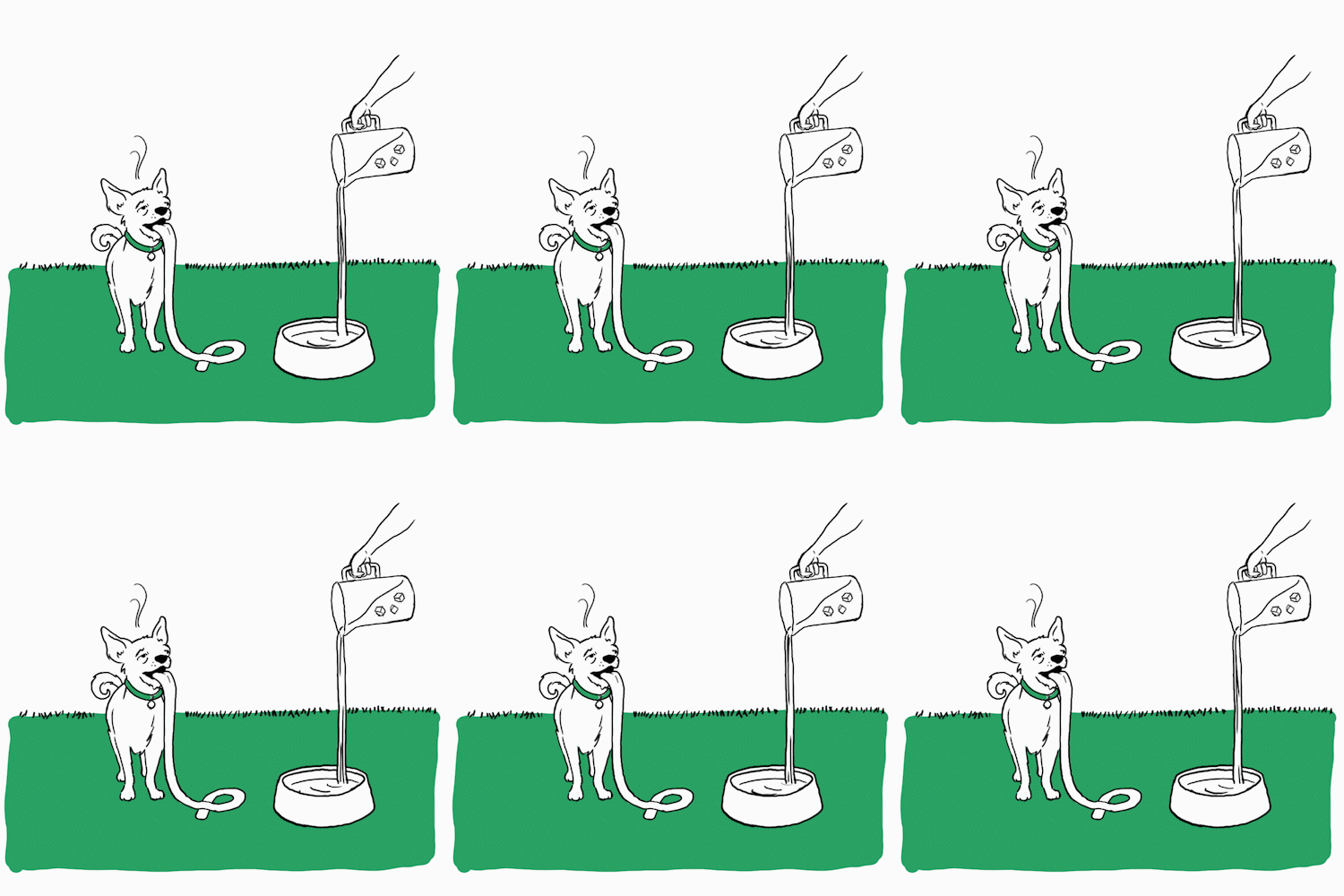
Panting is normal, but it expends lots of water, so make sure Fido’s bowl is full of clean, cool H2O, especially during warmer months.
Opens a new windowDr. Tammie King, Applied Behavior Technical Leader at Waltham Petcare Science Institute, suggests “seeking out cool shade, giving them water and stopping physical activity.”
And it goes without saying — but we’re going to say it anyway — that you should never leave your dog in your vehicle on hot days. Even if they’re driving. Which you shouldn’t let them do either.
Some dogs run a higher risk of overheating. “It’s very easy for dogs to overheat on very hot days,” cautions Dr. Jo Gale. “Any dog with a squashed face — bulldogs, pugs, Pekingese — their nasal passages are not able to cool the air as much.” She added that dogs with heavy coats, overweight dogs, and very old or very young pets also can’t control their body temperature as effectively.
If your pooch seems to be panting more than usual or at unusual times, check to see if they’re having trouble breathing, are shaking, or their gums or tongue have noticeably changed color. If so, make sure they have access to water, get them to a cool place and contact your vet.
*Surveyed U.S. dog owners, age 18+
Sample Size: n=201
Fielded May 8-10, 2020
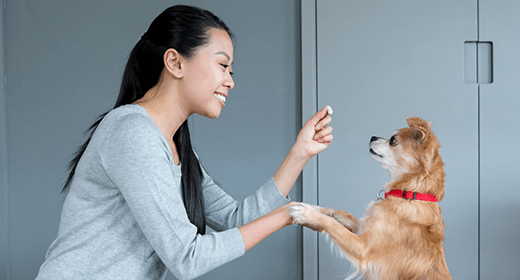
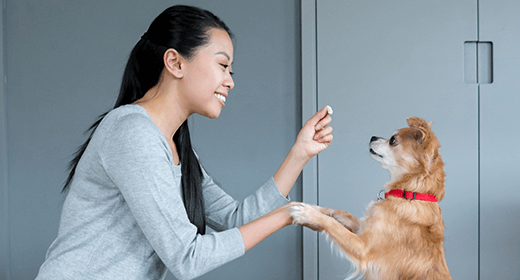
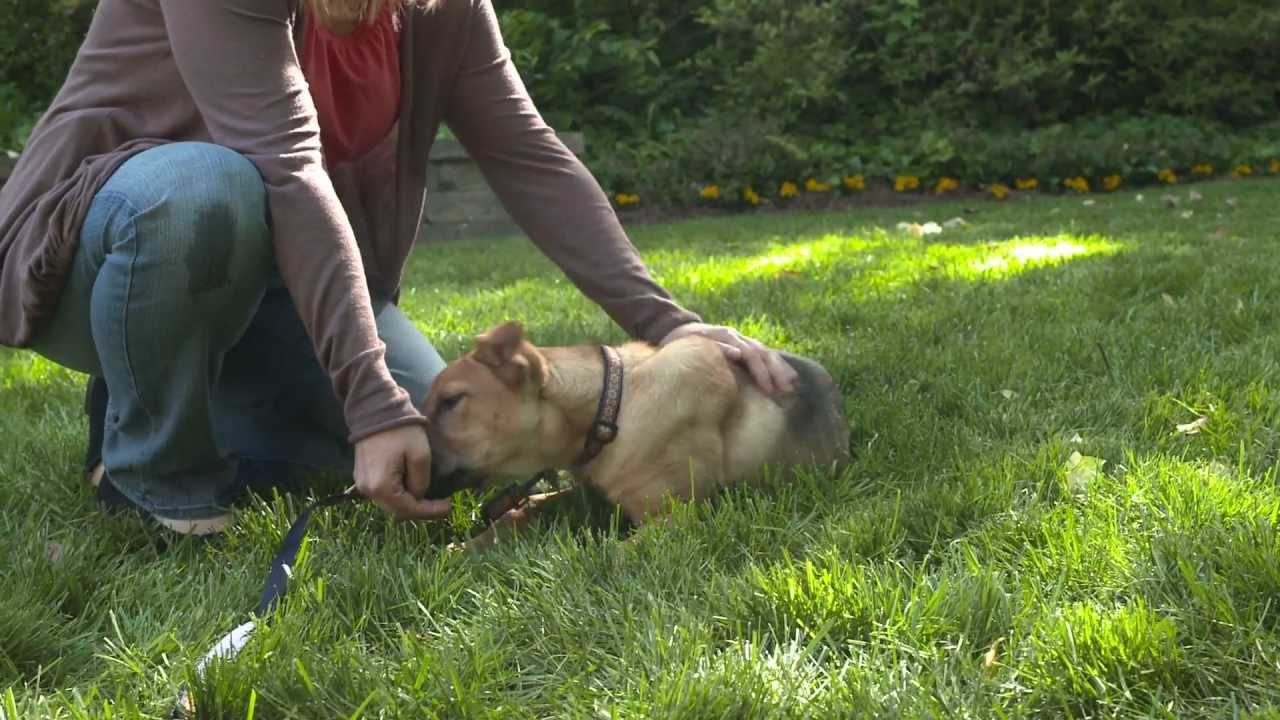
Join Expert Dog Trainer Kathy Santo as she goes through the basics of puppy obedience training. She’ll show you how to train your puppy to follow three basic commands: “sit”, “lie down”, and “stay. Then she’ll discuss how proper nutrition plays an important role in the overall training process.
Hi, I'm Kathy Santo with IAMS, and today we're going to discuss basic puppy obedience training. Obedience training is one of the best things you can do for you and your puppy. So this video will focus on the three basic commands: sit, lie down, and stay. A puppy can learn a great deal, even as early as seven weeks of age, if learning is fun and presented in the form of play. To establish a positive rapport with your puppy and prevent many future problems, start training a few days after your puppy settles in. A relationship based on friendship and trust will ensure that he tries hard to win you praise and approval. Before giving a word command to your puppy, speak his name to get his attention. Then speak a one word command, such as stay, sit, come, or heel. Your puppy won't respond to commands until he knows his name. Don't get impatient. The quickest way to teach your puppy his name is to reward him every time he looks at you. Always train when your puppy is hungry, lonely, or bored. When all his needs are met, he won't be as motivated to do as you say. For example, training right before meals will help him associate his meal with a reward for the training, and also make him more interested in the treat you use in your training session. Also, remember to use motivation, not negative reinforcement. Reinforce desired behaviors by offering toys, food, and praise, so the puppy wants to obey. Different dogs value different rewards. Some may think a tennis ball is the best thing in the world, while another puppy may find a tennis ball meaningless, but would do nearly anything for the chance to have a treat. Never use physical punishment on a young puppy, as you may scar him both mentally and physically. Also, refrain from calling your dog to come to you for punishment, because this will teach your dog not to come on command. Dogs can feel human emotions, so stay relaxed, firm, and confident. Be sure to keep any frustration out of the tone of your voice. And if you feel yourself becoming frustrated, take a break. Your dog can sense this, and will start to associate training with your unhappiness. Most puppies, like young children, enjoy learning, but have short attention spans. Training sessions should be frequent and short to prevent your dog from becoming bored. 10 to 15 minute sessions, two or three times a day, is ideal. The first command I'm going to show you is sit. Your puppy's on the leash, and you're sitting on the ground with a leash under your legs, so he can't take a field trip away from you. Hold your hand high over his head with the reward in it. Your dog will look up at the reward. Use your other hand to gently guide your dog into a sitting position, and say in a clear, firm, tone, 'sit,' while still holding the reward in the air above the dog's head. When your dog sits, give them the treat, and verbally praise him. The second command I like to teach is lie down. Have your dog sit. Let him know you have the treat, but don't give it to him. Slowly lower your hand with the treat to the floor to bring your pup's nose close to the ground. When he starts to follow it, say 'lie down.' Once he's fully on the floor, you can give him the treat. Repeat saying lie down and rewarding correct behavior. Now for stay. Have your dog sit. Let him know you have the treat, but don't give it to him. Go in front of your puppy, raise your open hand, and say 'stay' firmly, so your puppy can associate your open hand with what he's learning. Start to move away from your puppy while occasionally repeating the stay command. Start with only a few seconds of staying at a time, and then move to slightly longer amounts. Always come back and reward your puppy if he follows instructions. The last thing I'd like to talk about is nutrition, and its implications on puppy training. Good nutrition leads to a healthy dog with higher quality of poop, and more predictable and balanced behavior, so he's easier to train. Make sure your puppy is getting the well balanced diet he needs for optimal development. For more information on puppy nutrition, watch the video 'What is the best puppy food for your puppy?' I'm Kathy Santo with IAMS, and I hope that you found this helpful as you welcome your new addition into your family.