Enter a keyword below to search for articles and products.
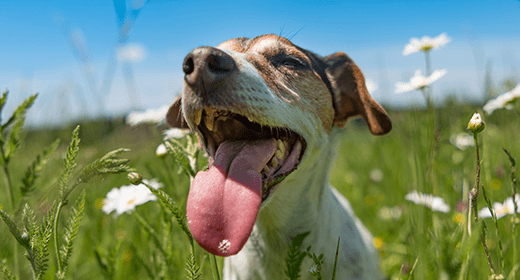
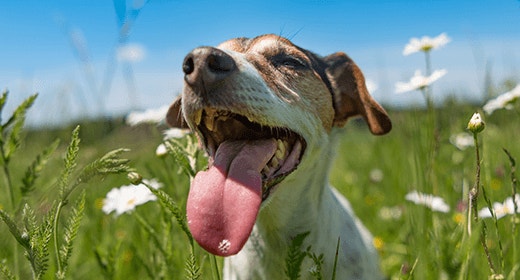
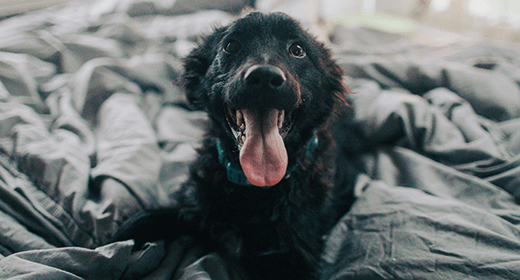
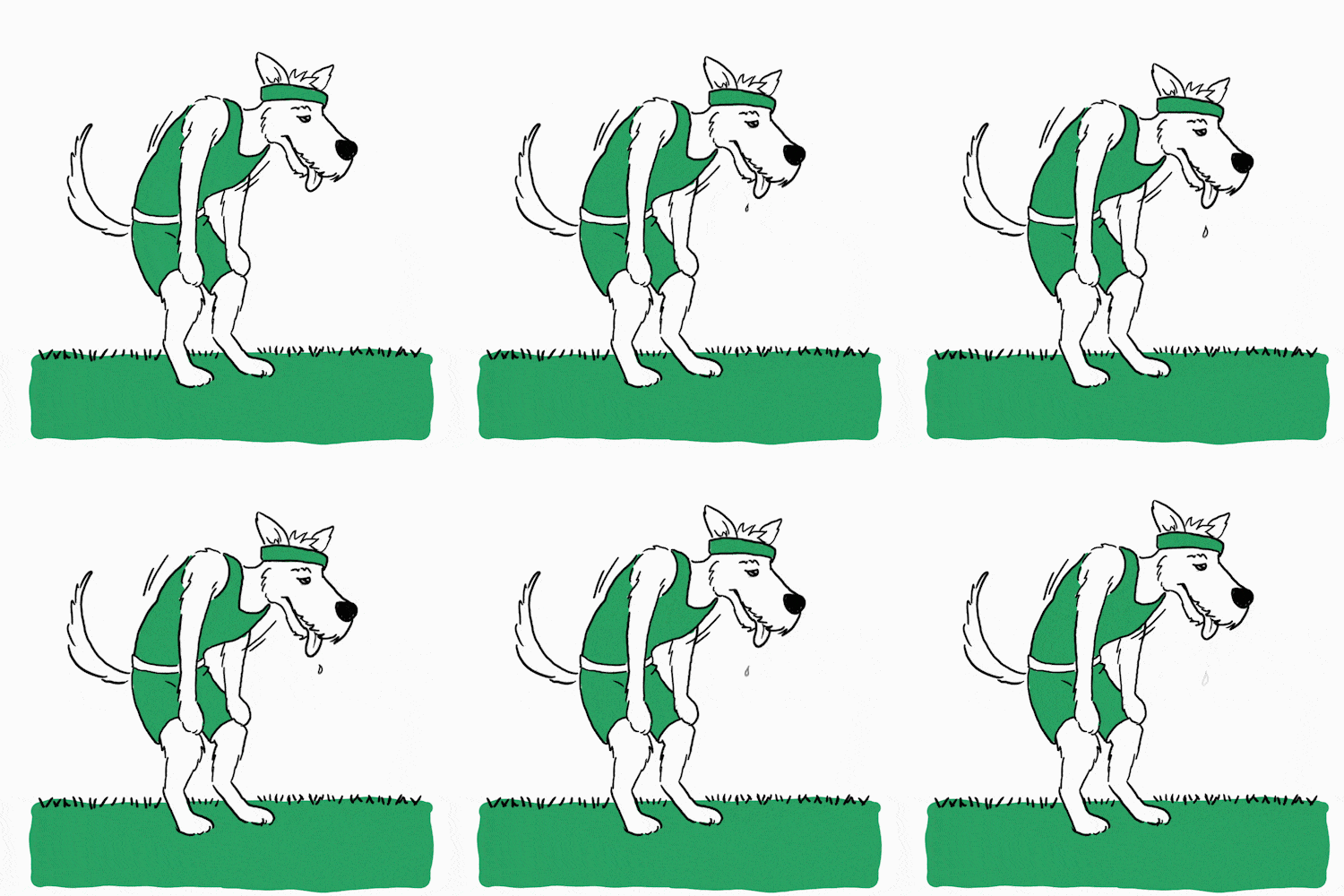
Panting is when dogs breathe rapidly with their mouth open and tongue hanging out like a slobbery yo-yo. You know what we’re talking about. So other than as an effective method of drool distribution, why do they do it?
Some dogs may occasionally pant when they’re excited or afraid, but the main reason is to help keep themselves from overheating.
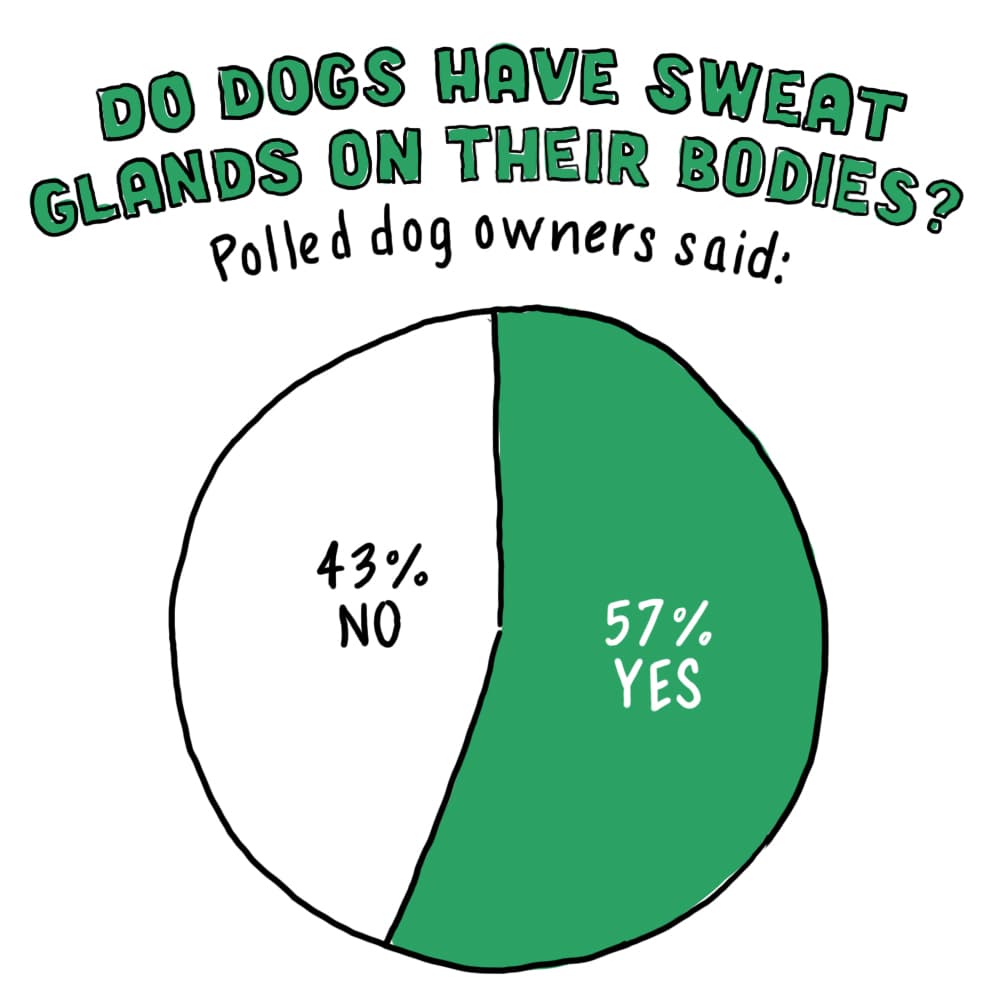
In a recent IAMS™ survey,* a majority of dog parents believed that dogs have sweat glands. But dogs don’t sweat like humans do. “We have glands all over our body. Dogs can’t do that,” says Opens a new windowDr. Jo Gale, BVetMed CertLAS MRCVS, Senior Manager, Global Science Advocacy at Waltham Petcare Science Institute. “They have sweat glands on their paw pads, but that’s the only place.” They rely on panting to let out warm air and bring in cooler air. All that drool and fluid in their mouth helps dissipate the heat as well. It’s like a big soggy air conditioner.
Most mammals, and even many birds, pant to regulate their temperatures. Humans are some of the only creatures who cool down by perspiration. Imagine what dogs think of us losing fluid from all over our bodies, sweating through our clothes and needing to wipe our faces all the time. Fortunately, they love us anyway.
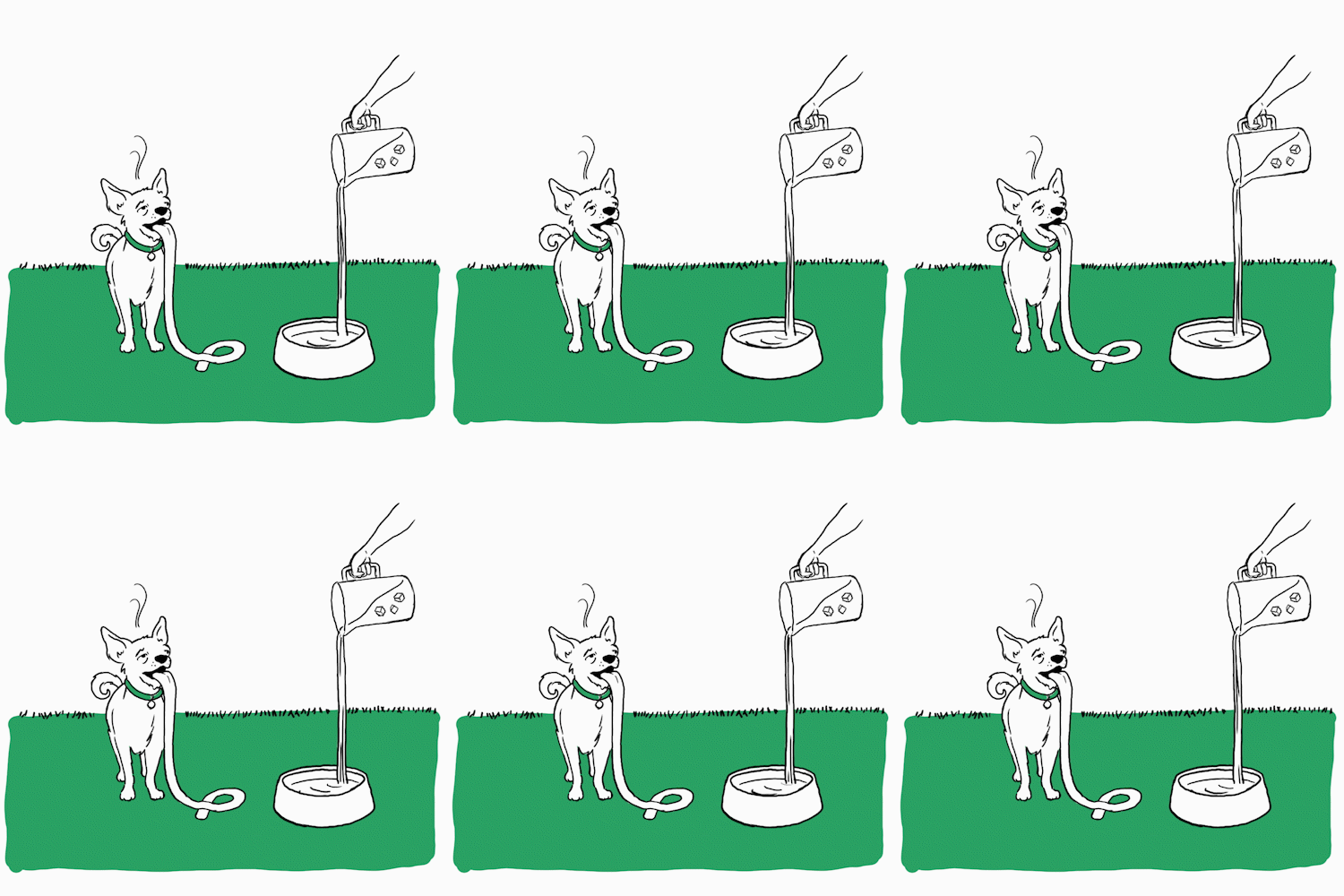
Panting is normal, but it expends lots of water, so make sure Fido’s bowl is full of clean, cool H2O, especially during warmer months.
Opens a new windowDr. Tammie King, Applied Behavior Technical Leader at Waltham Petcare Science Institute, suggests “seeking out cool shade, giving them water and stopping physical activity.”
And it goes without saying — but we’re going to say it anyway — that you should never leave your dog in your vehicle on hot days. Even if they’re driving. Which you shouldn’t let them do either.
Some dogs run a higher risk of overheating. “It’s very easy for dogs to overheat on very hot days,” cautions Dr. Jo Gale. “Any dog with a squashed face — bulldogs, pugs, Pekingese — their nasal passages are not able to cool the air as much.” She added that dogs with heavy coats, overweight dogs, and very old or very young pets also can’t control their body temperature as effectively.
If your pooch seems to be panting more than usual or at unusual times, check to see if they’re having trouble breathing, are shaking, or their gums or tongue have noticeably changed color. If so, make sure they have access to water, get them to a cool place and contact your vet.
*Surveyed U.S. dog owners, age 18+
Sample Size: n=201
Fielded May 8-10, 2020
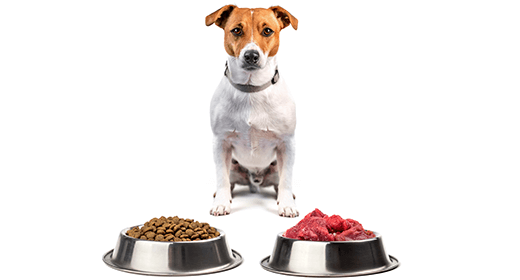
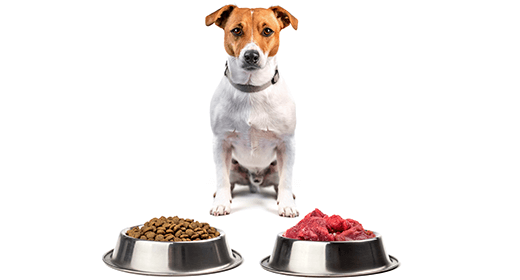
The energy requirements of a puppy can be nearly twice those of an adult dog. This means that a puppy might not have the stomach capacity to eat enough food to meet his needs unless the food is specially formulated.
When choosing a puppy food, select one that provides a highly digestible, nutrient-dense, 100% complete premium formula for growth. Such high-quality formulas contain the vitamins, minerals, protein, fat and carbohydrates your dog needs for sound and healthy development. With a premium formula, your puppy may have:
Puppies grow fastest during the first six months of life, and because growth rates differ among breed sizes, you need a formula designed to address the needs of your puppy’s breed or size.
No two dogs are alike. So when choosing your pet's food, you'll want to take into consideration the dog's breed, size, age, weight, and lifestyle. Full growth will happen at around 1 to 2 years, with the exact age determined by your dog's breed—small-breed dogs mature faster than large-breed dogs. “Grown dogs, especially ones who are more athletic, will start to eat more quantities in one feeding,” says Madan Khare, DVM. “You want to limit his feeding to one or two times a day, depending on his activity level.” Exact quantities should be determined by consulting your vet or by reading the package labels (just remember to split a daily serving in half if you choose to feed the dog twice a day).
When transitioning your dog from puppy food to premium adult food you want to do it gradually. “Never change a dog's diet abruptly,” Khare says. Here's a schedule for transitioning your pet from puppy food to an adult dog food:
Daily exercise and a diet packed with high-quality protein from chicken, lamb, or fish and essential nutrients will keep him happy and healthy throughout his lifetime. Premium dry pet food has all of the daily nutrition your pet needs. It helps promote healthy teeth and gums, too.
“When it comes to feeding your dog human food, I have three words,” Khare says. “No. No. No.” Interfering with your pet's food regimen by frequent change in diet or nutritionally inadequate human food can disturb the animal's digestive system.
Always remember to pick premium, tailor-made dog food based on the life stage and unique needs of your pet.