Enter a keyword below to search for articles and products.
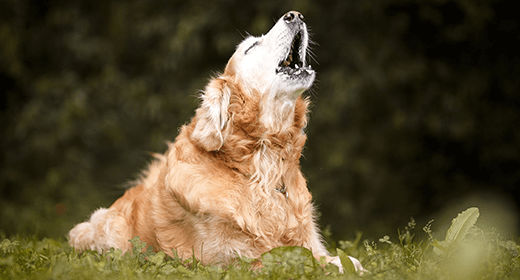
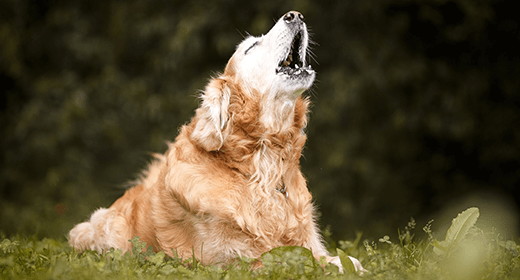
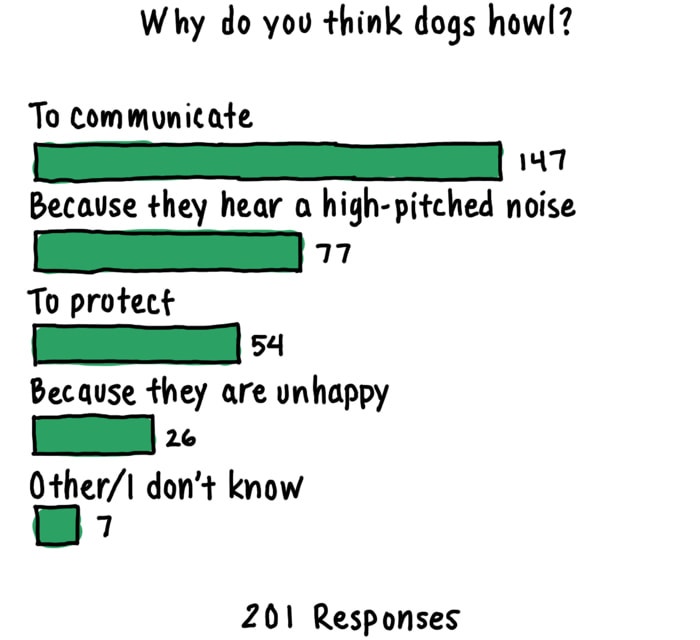
You’ve likely heard your dog let loose his inner wolf and belt out a few long howls. 73% of dog owners in a recent IAMS poll* believe they do this to communicate. This form of vocalization has a long history and is used for different reasons. Understanding more about howling will help you understand your pooch better.
Howling is an ancient trait wolves use to communicate with other members of their pack and other packs over long distances. They may be trying to locate a lost member, show off the size of their pack or warn of danger. It’s like a canine group text.
A wolf’s howl can be heard up to 10 miles away.
Each wolf has their own unique howl, so pack members know who they are, even miles apart.
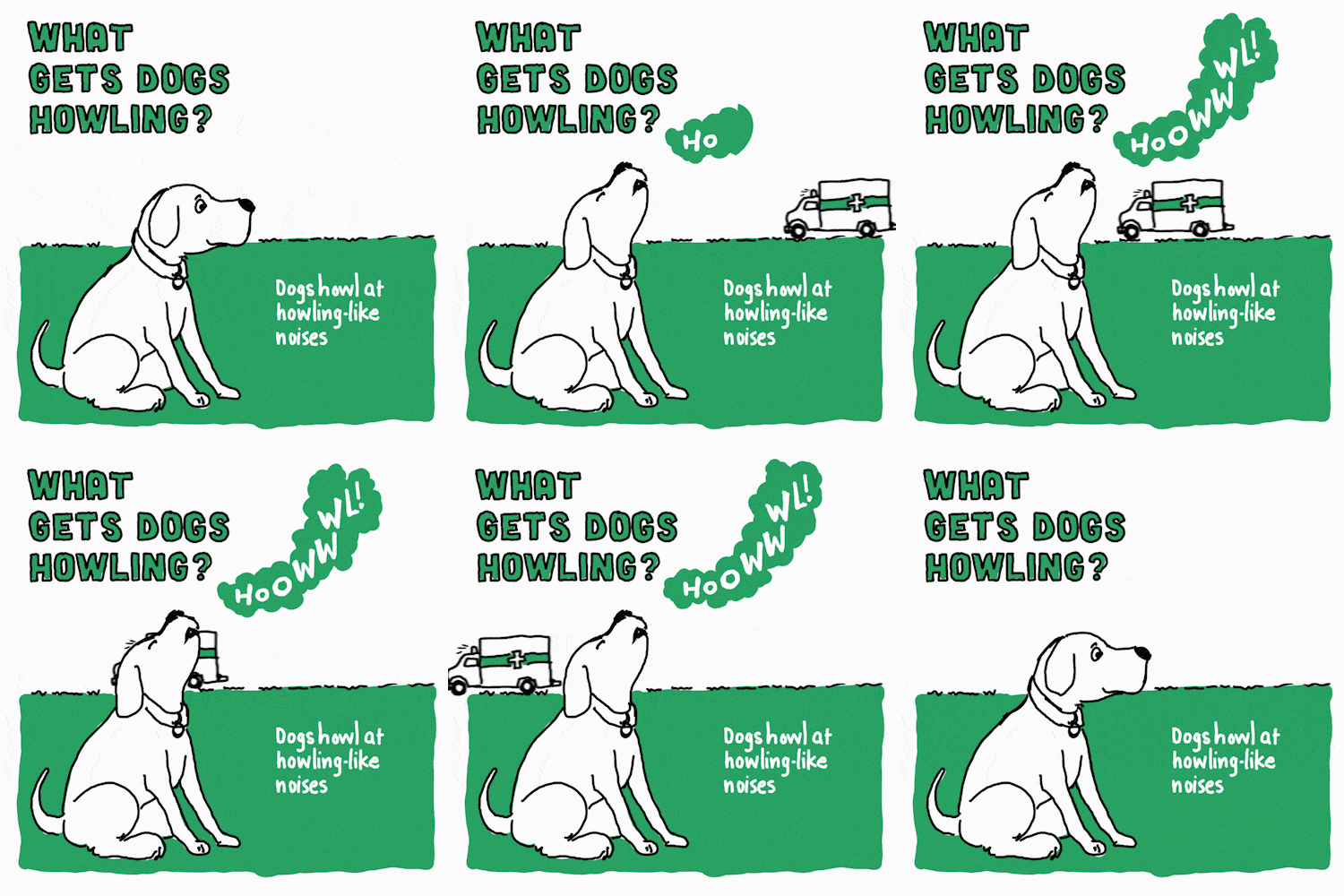
Dogs instinctually respond to howling-like noises by howling themselves. Sounds such as sirens, other dogs, singing or your kid learning the violin is usually enough to get them to sound off.
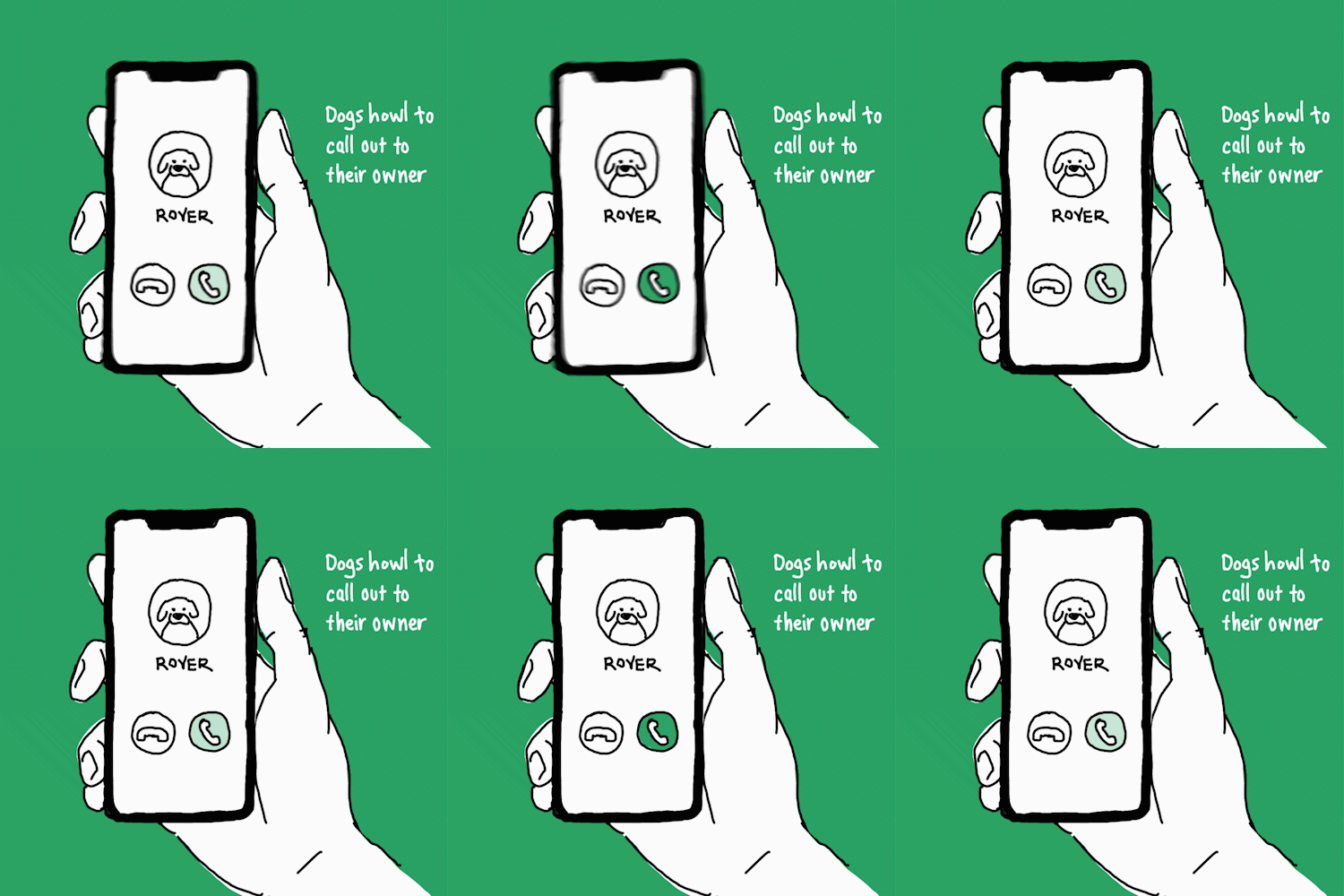
Dogs are still very social animals; it’s just that now we’re their pack. When they miss us, they’ll howl in hopes we respond.
Opens a new windowDr. James Serpell, BSc, PhD, Professor of Humane Ethics & Animal Welfare at University of Pennsylvania School of Veterinary Medicine, explains it this way: “That [howling] is an attempt on the part of the dog to ask the owner basically, ‘Where are you so that I can rejoin you?’”
Dr. James Serpell doesn’t believe so. “My own research has shown that it is common across breeds. People think huskies may be more prone to group howling.”
Dogs going through separation anxiety may howl excessively when left home alone. Dr. Jo Gale, BVetMed CertLAS MRCVS, Senior Manager for Global Science Advocacy at Waltham Petcare Science Institute, says, “If you reinforce quiet behavior, they are less likely to continue howling.” You can do this by quieting your dog and then leaving for a very brief time before returning and rewarding them when they stay quiet. Gradually increase the time you’re gone to reassure them you’ll always be back.
*Surveyed U.S. dog owners, age 18+
Sample Size: n=201
Fielded May 8 to May 10, 2020
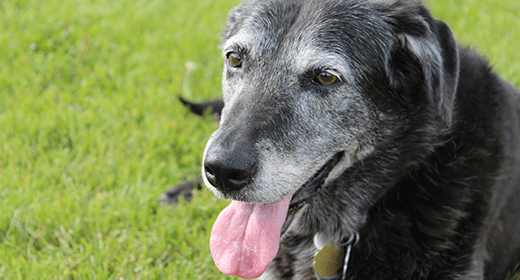
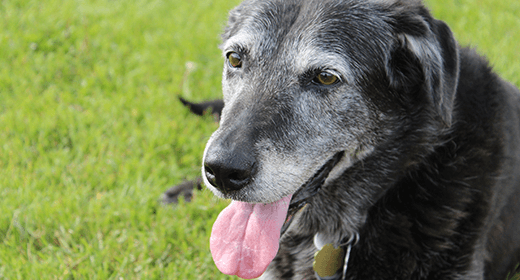
As dogs age, changes occur in the way their bodies function, so it makes sense that what they eat also might need to change. The following list of health issues might be more common in aging pets.
Decreased Immune System Function
Throughout a dog’s life, a process called peroxidation occurs. Peroxidation is a normal process that the body uses to destroy cells that outlive their usefulness and to kill germs, parasites, etc. This process, however, also can destroy or damage healthy cells. As your dog ages, the damage caused by peroxidation accumulates, which, in turn, increases the risk of certain problems, such as infections.
Antioxidants are naturally occurring nutrients that help maintain overall health by neutralizing the peroxidation process of cellular molecules. Some antioxidants, such as vitamin E, beta-carotene, and lutein, are naturally occurring nutrients.
Recent research sponsored by The IAMS™ Company found that dogs fed a diet rich in antioxidants such as vitamin E, lutein, or beta-carotene had improved immune responses and vaccine recognition. This might be especially important in senior dog care; IAMS research has found that as dogs age, immune responses can decrease.
More Frequent Intestinal Problems
Older dogs might have higher numbers of unfavorable bacteria and lower numbers of beneficial bacteria in their intestines, which can result in clinical signs of gastrointestinal problems (e.g., diarrhea).
Feeding a diet containing fructooligosaccharides (FOS), a unique fiber source that helps nutritionally maintain healthy intestinal bacterial populations, promotes growth of beneficial bacteria. Beet pulp, a moderably fermentable fiber source, also helps maintain intestinal health by providing energy for the cells lining the intestine and promoting small, firm stools.
Different dogs show signs of aging at different times, and much of this variation is associated with size. Larger dogs generally appear 'old' sooner than smaller dogs. The table below lists the age at which various groups of dogs should be transitioned to senior foods, such as IAMS™ ProActive Health™ Senior Plus.
| Weight Range | Age to Begin Transition |
|---|---|
| More than 90 lbs | 5 years |
| 51 to 90 lbs | 6 years |
| 21 to 50 lbs | 7 years |
| Up to 20 lbs | 7 years |