Enter a keyword below to search for articles and products.
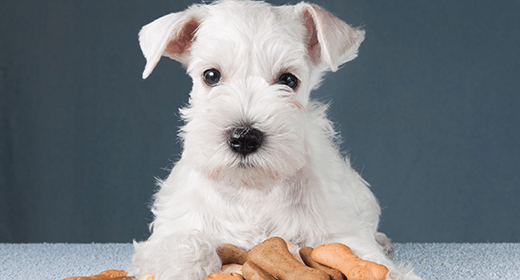

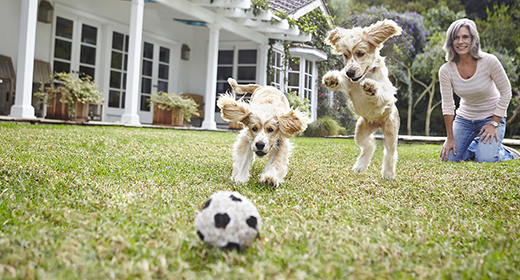
Puppies grow quickly and have special nutritional needs to keep their bodies strong. The most noticeable time is known as the rapid growth stage, which occurs between 2 and 6 months of age. From about 3 to 6 months, most pups will lose their puppy teeth (you might find a tooth near his dish or on the floor; this is normal).
During this phase, his mouth and gums may be very sensitive, which could cause him to be a bit picky when it comes to eating. There's nothing you can do except to wait it out, even if his appetite is low for a couple of days.
Helpful Hints
Don't switch to a new formula to stimulate your puppy's appetite. Changing food at this time can cause additional stress and intestinal upset. The tips below could help your puppy make the change:


Providing your dog with a balanced diet of nutritious dog food will ensure they get adequate amounts of protein, fat and fiber. All three are essential to your dog’s health and happiness — and all three can be found in every IAMS™ product we produce. Learn more about how these three vital elements can support your dog’s whole-body health.
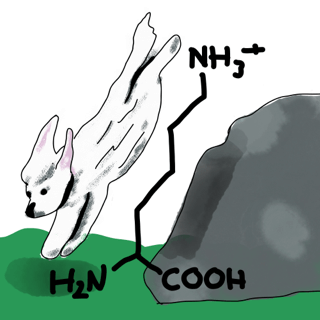
Protein Protein helps keep your dog’s muscles strong.
Protein helps keep your dog’s muscles strong. It also provides the amino acids necessary to build and repair proteins in their body. Many of these amino acids must be acquired through a dog’s diet.
Recipes contain animal-based proteins that provide the essential amino acids dogs need. Plus, we conduct special refining and quality assurance tests to ensure we only use high-quality, highly digestible protein sources for increased digestibility.
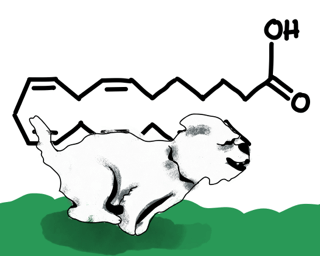
Fat gives your dog energy and helps nourish their skin and coat.
Fat provides energy. Your dog needs two types of fatty acids: omega-6 andomega-3 fatty acids. Omega-6 fatty acids are found in chicken fat and corn.Omega-3 fatty acids are found in ingredients such as canola, fish meal or oil, andflax. Both types help nourish and support your dog’s skin and coat.
Fiber and prebiotics help support your dog’s digestion.
IAMS™ dog food recipes feature a tailored blend of natural fiber from ingredients like beet pulp, as well as prebiotics to help support your dog’s digestion. Research has shown that moderately fermentable fiber, such as beet pulp, enhances intestinal health.
Feeding your dog a balanced diet that contains the right amounts of protein, fats and fiber is one of the most important ways you can care for and nourish them. To see the di!erence a healthy diet can make in your dog, feed them an IAMS recipe that’s tailored to their unique dietary needs, such as their size, age and breed. Are you ready to See the Wow?