IAMS IN
Your Senior Dog’s Health from 7 Years On
Your Senior Dog’s Health from 7 Years On mobile

adp_description_block136
Your Senior Dog’s Health from 7 Years On

  • Share

Keeping Your Senior Dog Healthy and Active

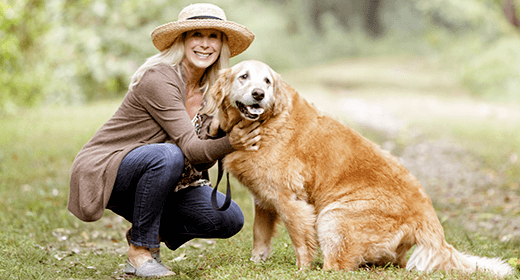
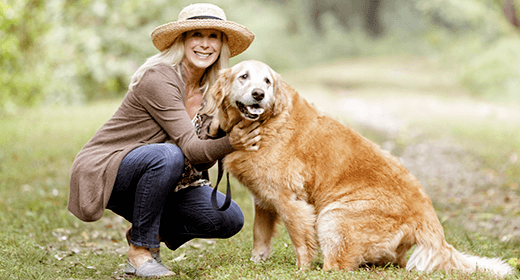
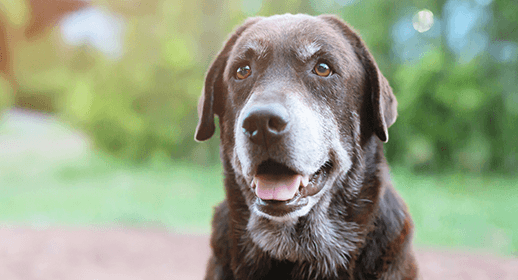
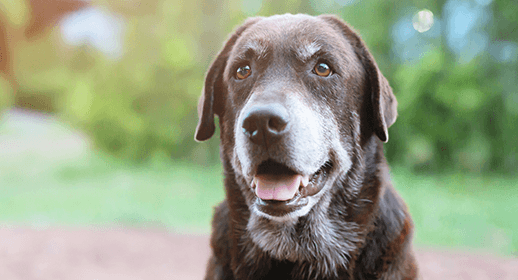
It depends on the breed of dog, but your pet's senior years generally begin at age 7. Louise Murray, DVM, director of the ASPCA's Bergh Memorial Animal Hospital in New York City and author of Vet Confidential (Ballantine, 2008), tells you what you need to know to keep your older dog spry and happy.


Senior Dog Health: Preventive Health

At this stage, Murray recommends taking your dog to the vet twice a year. 'So much can happen to an elderly dog,' she says. Your veterinarian can take blood annually to test liver and kidney functions. 'Discovering problems early is extremely important,' she says. Your vet can be on the lookout for conditions that often affect older dogs, such as anemia and arthritis.


Senior Dog Health: Urination, Bowel Movements, and Appetite

Pay attention to what might be subtle changes in your dog's habits: Is she drinking more water or urinating larger amounts? These behaviors might indicate a liver or kidney problem. Have your dog's bowel movements shifted? This could indicate a digestive issue. Diabetes or digestive problems might cause your dog to eat more but still lose weight. Knowing the dog's patterns can help the veterinarian determine a course of treatment.


Senior Dog Health: Flea, Tick, and Heartworm Medicines

Continue to use preventive medicines.


Senior Dog Health: Dental Health

Clean your dog's teeth daily. If she has tartar buildup, you might need to have her teeth professionally cleaned at your vet's office, which requires sedating your pet.


Senior Dog Health: Exercise

Your dog is probably less active, so steady, moderate exercise is best for her now. Don't turn her into a 'weekend warrior' who, after lying around on weekdays, accompanies you on a 10-mile hike on Saturdays. This is especially hard on an older dog's joints.


Senior Dog Health: Diet

Your veterinarian might wish to put your dog on a senior diet, such as IAMS™ ProActive Health™ Senior Plus. These formulations contain nutrients specifically geared toward older-dog health.
  • Recognizing the Signs of Bloat in Your Dog
    Recognizing the Signs of Bloat in Your Dog-mob
    adp_description_block425
    Recognizing the Signs of Bloat in Your Dog

    • Share

    What Is Bloat?

    Bloat is a life-threatening condition that acts rapidly and can lead to death within hours if not recognized and treated immediately. Unfortunately, the cause of bloat remains unknown at this time.


    The scientific term for bloat is gastric dilatation-volvulus or GDV. Bloat is characterized by rapid and abnormal expansion of the stomach with gas (dilatation). This can be followed by rotation of the stomach (volvulus). This rotation closes both the entry to and exit from the stomach. The blood vessels also are closed down, and blood flow is restricted.


    What follows is an increase in pressure inside the stomach and compression of the surrounding organs. Eventually, shock will occur as a result of the restricted blood flow. Here are a few key facts about bloat:

    • Bloat should always be treated as a medical emergency.
    • Bloat can kill a dog within hours after onset.
    • The cause of bloat is unknown.
    • Bloat affects 36,000 dogs in the United States each year; 30% die as a result of this condition.
    • Bloat can occur in dogs of any age.
    • Certain breeds are more susceptible to bloat, particularly deep-chested dogs.
    • The stomach rapidly expands with gas then rotates on the long axis. Entry to and exit from the stomach is prohibited, causing blood vessels to close and restriction of blood flow.


    Signs of Bloat

    Bloat is a true medical emergency, and early identification and treatment is critical to survival.


    In the early stages of bloat, the dog will be very uncomfortable. You might see him pacing and whining or trying unsuccessfully to get into a comfortable position. He might seem anxious, might lick or keep staring at his stomach, and might attempt to vomit, without success.


    Other indications of bloat can include weakness, swelling of the abdomen, and even signs of shock. Signs of shock are increased heart rate and abnormally rapid breathing.


    If you notice these signs, call your veterinarian immediately!


    • Whining
    • Inability to get comfortable
    • Pacing or restlessness
    • Pale gums
    • Unproductive attempts to vomit
    • Abnormally rapid breathing
    • Increased heart rate
    • Anxiety
    • Pain, weakness
    • Swelling of the abdomen (particularly the left side)


    Helping Prevent Bloat

    These suggestions could help you prevent bloat in your dog. However, they are based on suspected risk factors and are not guaranteed to prevent the onset of bloat.


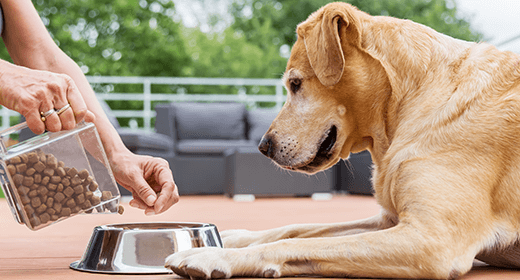
    • Feed small amounts of food frequently, two to three times daily.
    • Avoid exercise for one hour before and two hours after meals.
    • Don't let your dog drink large amounts of water just before or after eating or exercise.
    • If you have two or more dogs, feed them separately to avoid rapid, stressful eating.
    • If possible, feed at times when after-feeding behavior can be observed.
    • Avoid abrupt diet changes.
    • If you see signs of bloat, call your veterinarian immediately.


    Digestible Foods

    Another way you might help prevent bloat is to feed a high-quality, highly digestible food with normal fiber levels.


    Feeding management offers the best method available for reducing risk until the exact cause of bloat can be identified. Although not 100% effective, these measures can reduce the number of dogs that face this serious, life-threatening condition.


    High-Risk Breeds

    • German Shepherd
    • Bouvier de Flandres
    • Great Dane
    • Boxer
    • St. Bernard
    • Doberman Pinscher
    • Bloodhound
    • German Shorthaired Pointer
    • Irish Setter
    • Gordon Setter
    • Borzoi
    • Irish Wolfhound
    • Dachshund
    • Labrador Retriever
    • Basset Hound

Close modal