Enter a keyword below to search for articles and products.


Dogs are as unique as people, but despite their differences, they all need a well-balanced diet for good health. However, dogs of different ages and sizes have different nutritional needs, and this is especially true for puppies. When you factor in developmental needs, ingredients and your puppy’s size and breed, choosing the right food can be difficult.
The energy requirements of a puppy can be nearly twice those of an adult dog. This means that a puppy might not have the stomach capacity to eat enough food to meet his needs unless the food is specially formulated.
When choosing a puppy food, select one that provides a highly digestible, nutrient-dense, 100% complete premium formula for growth. Such high-quality formulas contain the vitamins, minerals, protein, fat and carbohydrates your dog needs for sound and healthy development. With a premium formula, your puppy may have:
Puppies grow fastest during the first six months of life, and because growth rates differ among breed sizes, you need a formula designed to address the needs of your puppy’s breed or size. Feed your puppy this formula based on the recommended amounts for his weight and age until he is an adult.
Although large-breed dogs have bigger bones than medium or small breeds, large-breed puppies do not need more calcium. University studies have shown that:
Overfeeding and weight gain can contribute to developmental bone problems. This makes managing food intake even more critical. Puppies are at greater risk for developmental bone problems if they are overfed.
A formula with reduced fat and calories promotes optimum growth. Controlling the rate of growth to promote normal development is another reason to feed a large-breed diet, such as IAMS™ ProActive Health™ Smart Puppy Large Breed.
Medium-breed puppies have needs between those of large- and small-breed dogs. A medium-breed puppy’s nutritional demands can be satisfied by feeding a 100% complete and balanced formula that features moderate amounts of all the essential vitamins and nutrients, such as IAMS ProActive Health Smart Puppy Original.
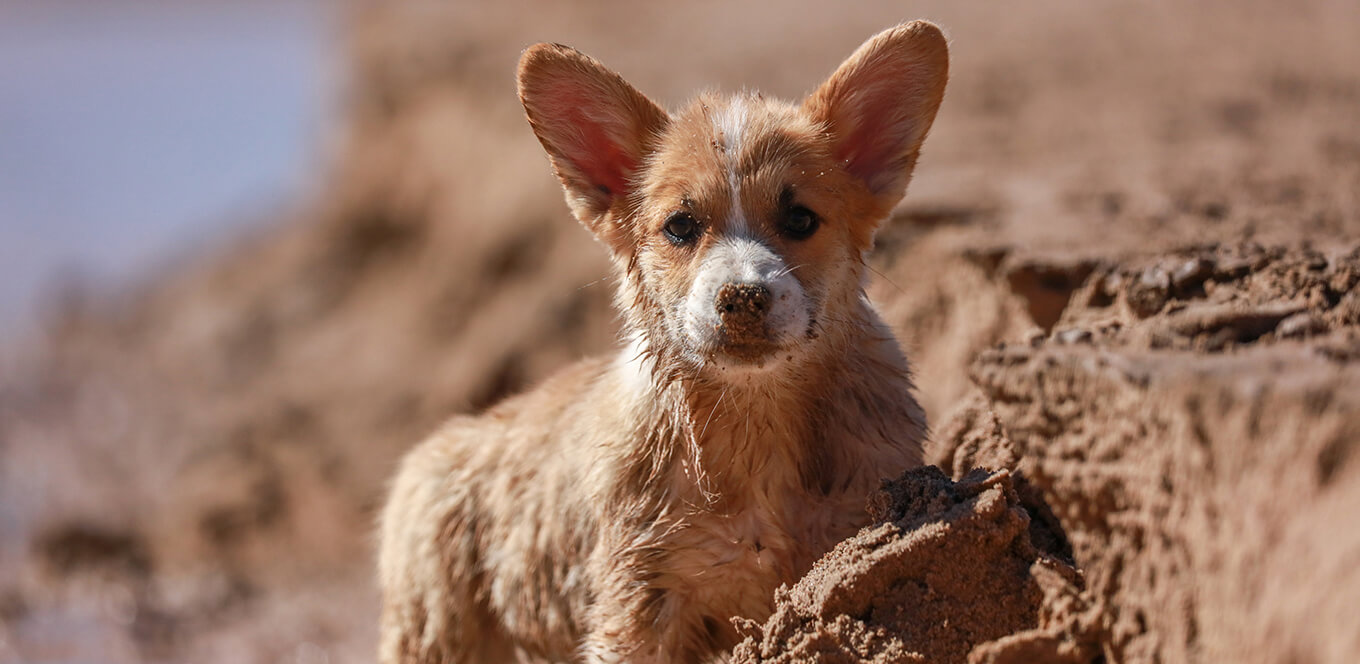
Small-breed puppies have unique needs due to their small mouths and small stomachs, as well as the rapid growth spurt they experience when growing to adult size. That’s why it’s important to pack a lot of nutrition and energy into a small amount of food. A poor-quality diet might fill a puppy’s stomach before he can eat enough food to satisfy his nutritional needs. The result can be improper muscle and skeletal development and growth impairment.
IAMS™ puppy foods are formulated to be energy- and nutrient-dense to meet the needs of growing puppies. The IAMS™ formula for small and toy puppy breeds, IAMS™ ProActive Health™ Smart Puppy Small & Toy Breed, has concentrated nutrition for the lifelong health of your small- or toy-breed dog.
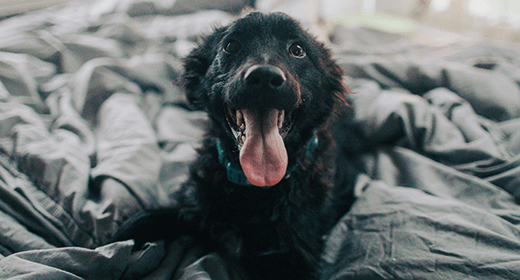

We’re not talking about the “Sit. Shake.” kind of shake. Nor the fun way they shake off water starting from their nose all the way to the end of their tail. (FYI, dogs can shake off 70% of the water on their fur in just four seconds!)
No, we’re talking about that full-body trembling you’ve likely seen your pooch do from time to time. Why do they do it? And is it something you should be worried about? Let’s shake a leg and find out.
A majority of dog owners in an IAMS™ survey* (64%) think dogs shake because they’re cold. Other top responses were because they’re scared (57%) or anxious (54%).
High-fives all around because it turns out there are a number of reasons dogs shake, and all those are possible correct answers.
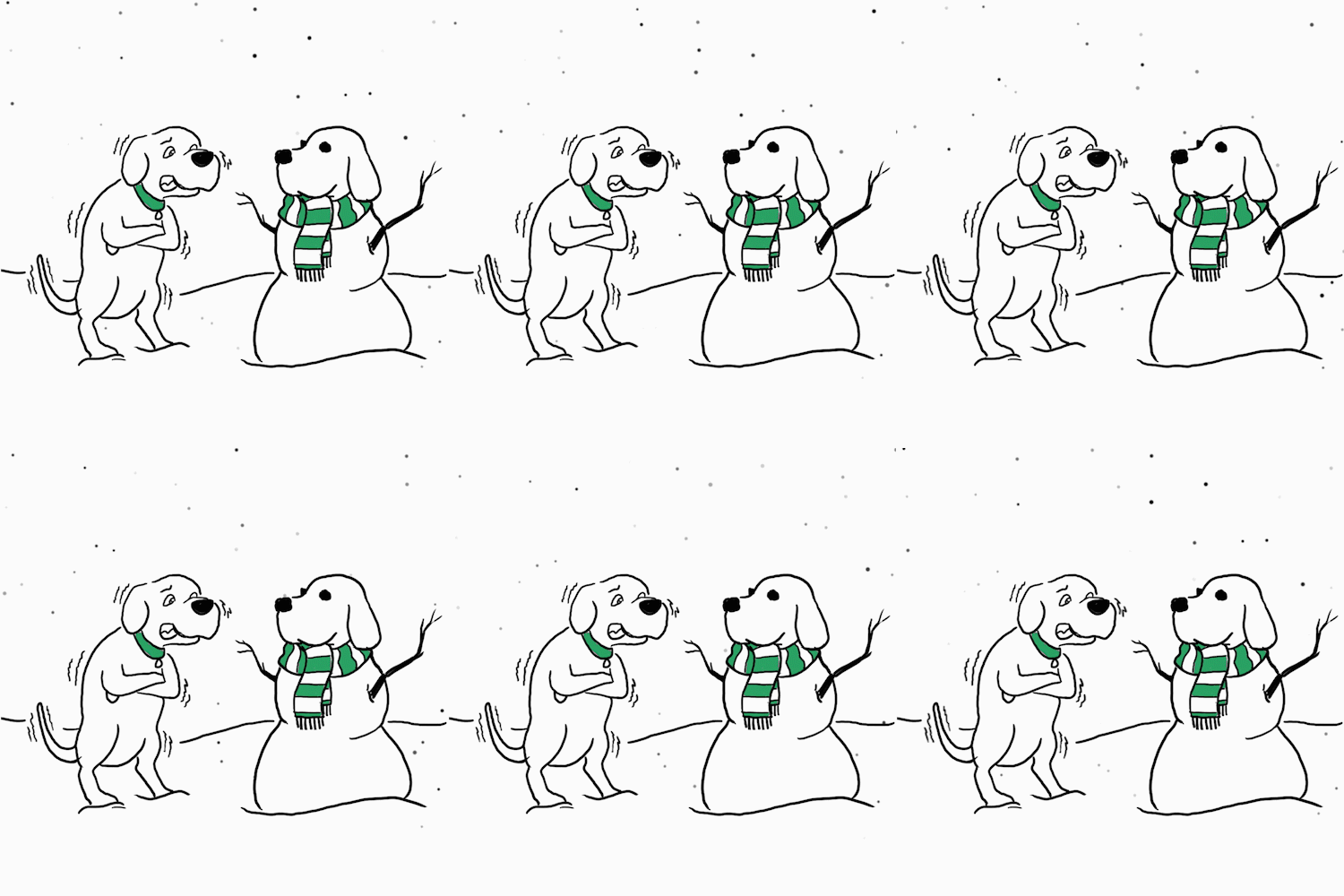
Just like their owners, dogs will often shiver when cold.
Opens a new windowDr. Tammie King, Applied Behavior Technical Leader at Waltham Petcare Science Institute, says: “Dogs shiver in response to falling temperatures. Dogs with short or no hair are especially susceptible. You should get them warm, put coats on them or bring them inside.” Same goes for you.
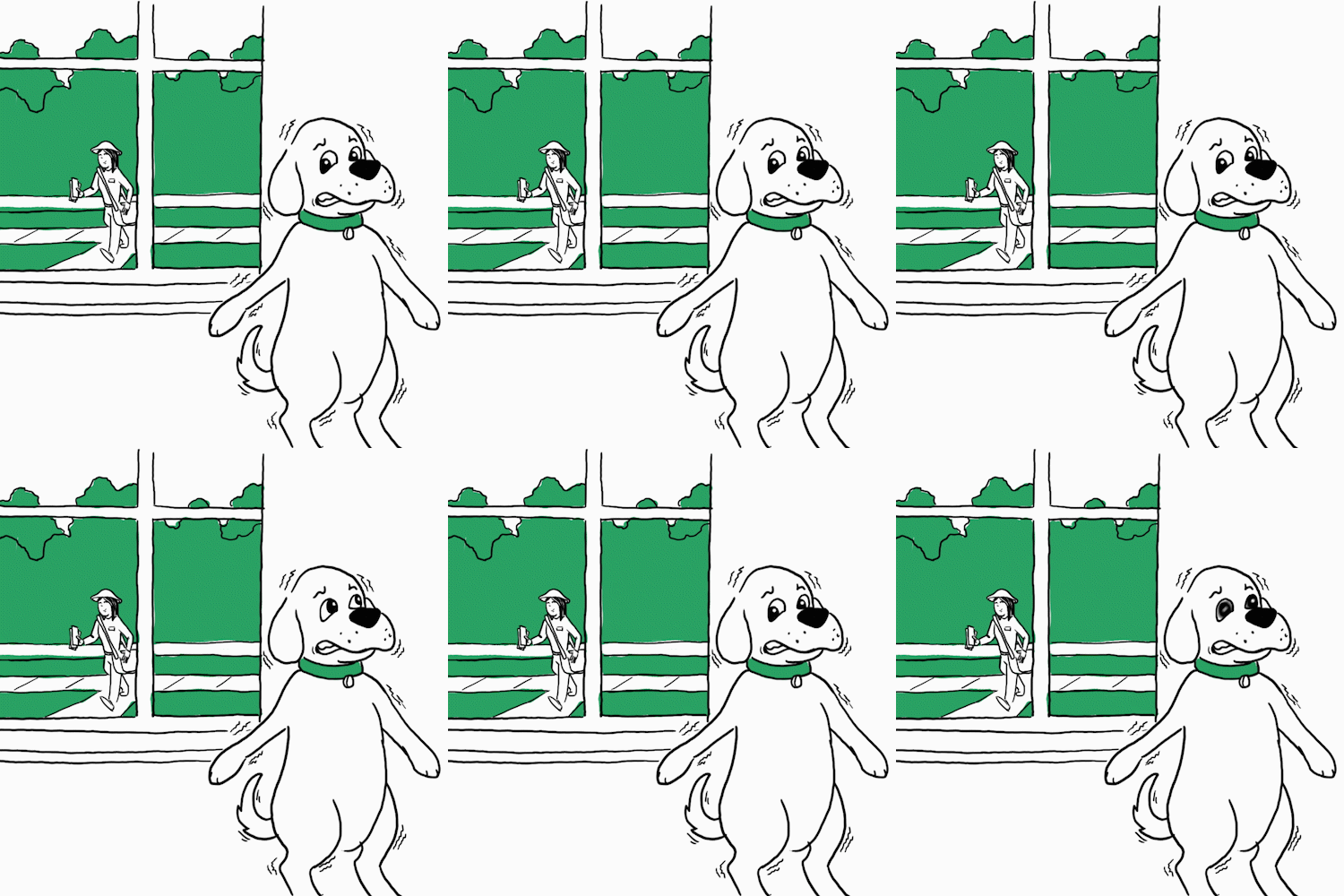
“Shaking is a response to epinephrine or adrenaline secretion — a sign of anxiety where the dog is on high alert,” says
Opens a new windowJames Serpell, B.S., Ph.D., Professor of Humane Ethics & Animal Welfare at the University of Pennsylvania School of Veterinary Medicine. You may notice this when you’re at the vet or there’s a situation where they feel threatened. Dr. Serpell also offers a way to help in some cases: “Identify what’s triggering the behavior. Provide them comfort. Going forward, you can gradually desensitize your pet to the thing it’s afraid of.” Unless it’s clowns. Those are always scary.
Trembling can also be a sign of serious issues like injury, poisoning or kidney disease. Opens a new windowDr. Jo Gale, BVetMed CertLAS MRCVS, Senior Manager, Global Science Advocacy at Waltham Petcare Science Institute urges pet owners to be vigilant: “If a pet is unwell in another way, they could be trembling.” If their shaking is accompanied by symptoms like diarrhea, limping or vomiting, you should consult your vet straight away.
*Surveyed U.S. dog owners, age 18+
Sample Size: n=201
Fielded May 8-10, 2020