Enter a keyword below to search for articles and products.
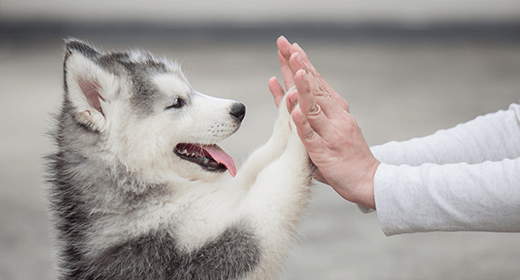
Watch as Veterinarian Dr. Katy Nelson shares all the basics of building a positive relationship with a puppy. You’ll learn everything from taking care of your puppy’s basic needs to socialization. When all is said and done you’ll learn how a happy puppy makes for a happy owner as well.
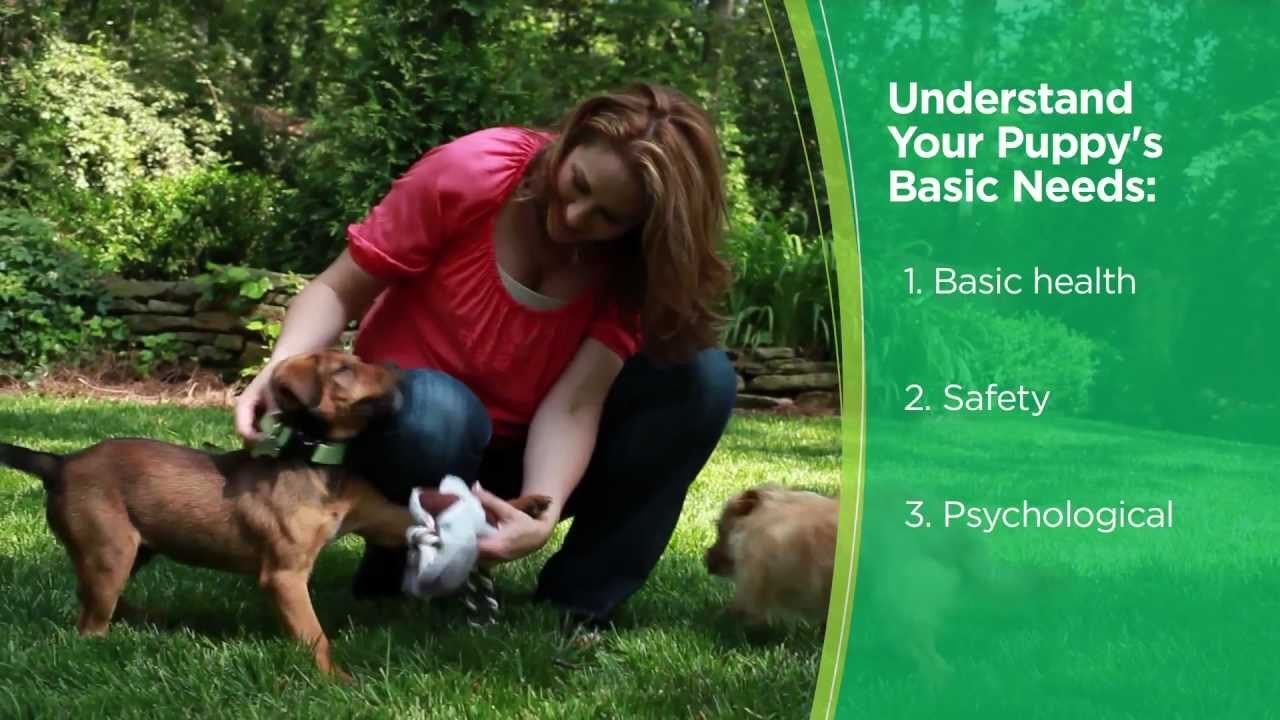
Hi, I'm Dr. Katy Nelson with IAMS, and today we're going to talk about how to take care of your puppy. First and foremost, you want to understand and meet your puppy's needs. Here they are in order of importance. Number one: basic health-- water, nutrition specifically formulated for puppies, and sleep. Also, immunizations and regular checkups are recommended. Number two: safety. As with small children, you need to keep your puppy in an environment that is safe for him. Puppies explore with their mouths, and they learn about different textures by gnawing. Also, chewing helps massage their gums. For your puppy's safety, keep things that he or she should not be chewing on out of reach. Number three: psychological. Your puppy's greatest psychological need is to be part of a group and be socialized with other dogs. However, to do this successfully, you need to be a guardian he can depend on. Once your puppy's basic needs are met, you want to understand the way he sees the world, so that you can build a strong relationship. Your puppy does not understand the world you live in, so you cannot expect him to. Two things you need to understand is that to them, everything is edible, and they will lunge at anything exciting—you, kids, guests, and other animals, until you train them not to. Praise him exuberantly to encourage the right behavior. Give him treats, pet him, play with him, and be stern to discourage the wrong behavior—ignore him, stop petting, or stop playing. Most importantly, be patient and consistent. Don't be harsh. Puppies have lots of energy, and it's healthy for them to use it. Periodically, helping your puppy release energy will minimize his urge to dig and chew on things. Spend time out in the yard making him run in short bursts. Go on walks or play fetch. Puppies are used to playing with their brothers and sisters. When they're separated, they're looking for their next playmate. Playing with your puppy will also make him more focused on you, improving your bond and making training easier. It teaches him new behaviors, self-control, and will help him gain self-confidence. Like play, socialization is also fundamental to raising your puppy. This is why socializing your puppy as soon as you bring him home is important for both of you. Socialization teaches your puppy to be calm in stimulating circumstances, and to obey when instructed. It also gets him used to being touched, handled, and even used to having hands and inedible things in and near his mouth, so that he behaves around other people, kids, and his veterinarian. Also, know that puppies are sensitive. They can read facial expressions and emotions. Be consistent about what things your puppy does that make you express happiness. Also, be careful not to give your puppy reason to think he's at blame for negative emotions you have from other areas of your life, like when you've had a bad day at work. Emotions are contagious. The happiest puppies tend to be in the most positive and loving households. I'm Dr. Katy Nelson with IAMS, and I hope that you found this helpful as you welcome your new addition to your family.
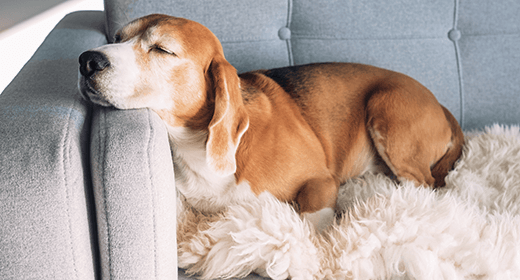
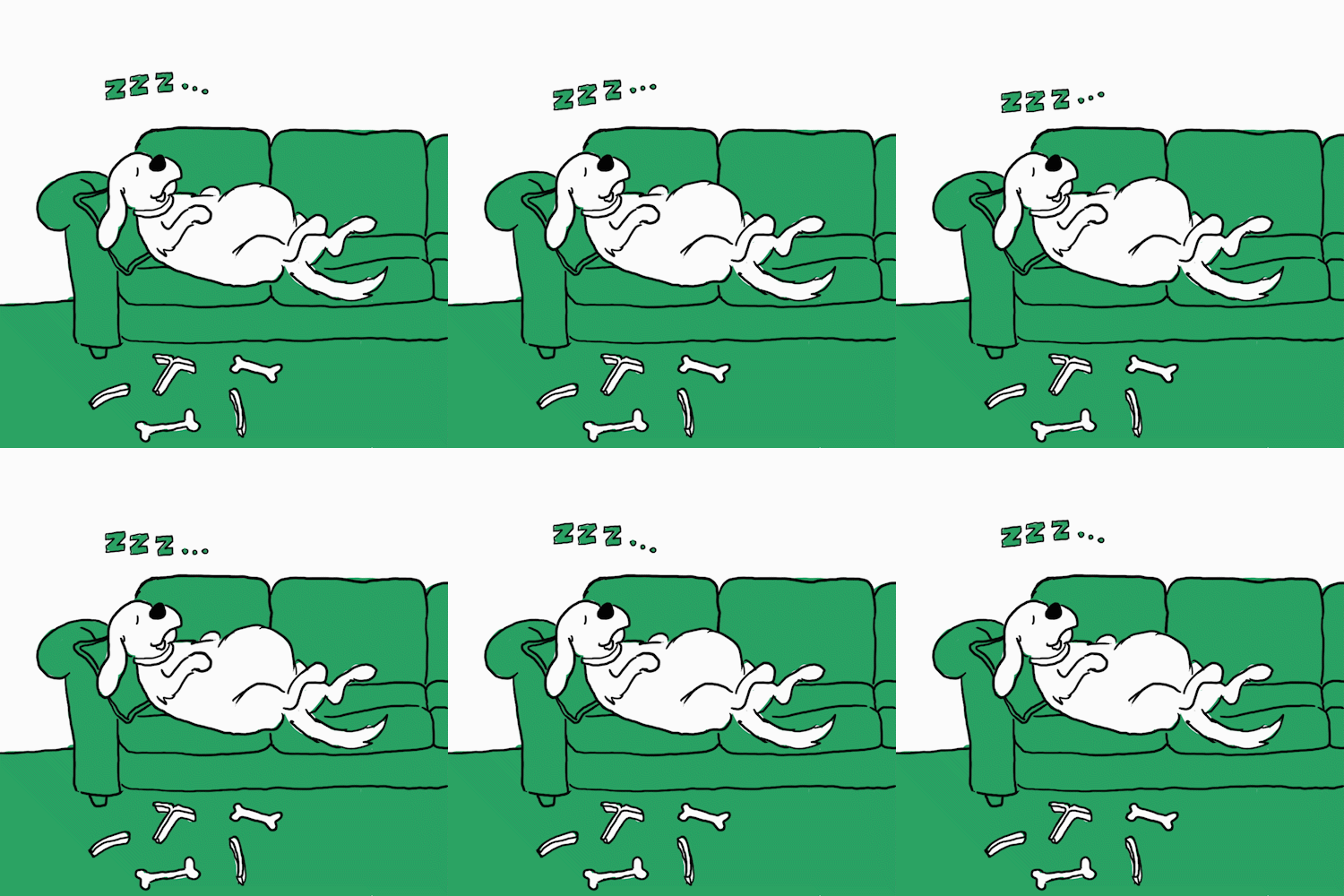
We asked dog owners* how many hours a day they think their adult dog sleeps. The answers averaged around 9.7 hours. Truth is, dogs normally sleep around 12-14 hours a day. (Cats sleep 12-16 hours, which is why it’s called a “catnap,” we presume.) “Normal” can depend on lots of things. Bigger breeds definitely need more z’s. Older dogs tire quicker and sleep more. Growing puppies need up to 20 hours a day. Being cute must really be tiresome.
But why do they sleep so much? We’re not going to let sleeping dogs lie; we’re getting to the answers.
Dogs spend less time in deep REM sleep, so they’re able to wake quickly and be ready to go — whether it’s responding to danger or the opening of a bag of chips. It also means they need to doze more often to make up for that lack of truly restful sleep.
In general, carnivores need more rest. “In their wild dog and wolf days, it was a hunt for food, bringing down large prey, then feasting,” says
Opens a new windowDr. Jo Gale, BVetMed CertLAS MRCVS, Senior Manager, Global Science Advocacy at Waltham Petcare Science Institute. “They’d spend a long time digesting and may not eat for a few days. There’s a tendency to conserve energy.” Just think about how you feel after eating a huge steak. Incoming meat coma. Goodbye, belt. Hello, sofa.
Yawn. When owners are out of the house, dogs often sleep simply because they’re bored. They’re not into books and haven’t quite figured out how to turn on the TV, so why not catch a few extra winks? Plus, they want to be super refreshed when you come back home in the evening.
Some dogs like to sleep longer and some dogs are just lazier than others. According to
Opens a new windowDr. Tammie King, Applied Behavior Technical Leader at Waltham Petcare Science Institute, “You might see more sleeping after intense exercise or they’ve gone to a pet sitter or boarding center due to high stimulation.” There’s usually no cause for concern unless they seem lethargic and lose interest in playing or eating, or begin listening to a lot of emo music.
Their wild days long gone, dogs have adapted their sleep schedules to match humans’ sleep schedules. Sort of. They still might get you up in the night or early morning before your alarm goes off. It’s best to exercise them in the morning and evening so they’re more tired — and have used the facilities — right before everyone else goes to sleep.
Now, the only question remaining is, what do you think your dog dreams about?
*Surveyed U.S. dog owners, age 18+
Sample Size: n=201
Fielded May 8-10, 2020