IAMS IN
What to Know When You Bring Your Puppy Home

adp_description_block265
What to Know When You Bring Your Puppy Home

  • Share

Taking care of your new puppy can be overwhelming, but with these tips and lots of love, you’ll be a great puppy parent in no time.


Picking Up a Puppy

Just like a baby, a puppy's body is fragile. Avoid picking up your puppy unless absolutely necessary. If you must, be careful and use these steps:
 

Step 1: Place one hand under your puppy's rump, and place your other hand under his chest.
 

Step 2: Lift with both arms. With a small adult dog, use the puppy technique. For larger dogs, wrap both arms around his legs, draw him to your chest, and lift.


Supplies You’ll Need

Before you bring your puppy home, be sure you have the following supplies:
 

  • Premium pet food to get your new puppy off to a good start
  • Stainless steel, non-tip food and water bowls
  • Identification tags with your puppy's name, your name and phone number, and your veterinarian's name and phone number
  • A collar and a leather or nylon 6-foot leash that's ½- to ¾-inch wide (Consider using a 'breakaway' collar with plastic clips that will unsnap in case your puppy gets hung up on something.)
  • A home and travel crate that's airline approved and that will accommodate your puppy's adult size. This crate will serve as your puppy's new 'den' at home, when traveling, or when riding to the veterinarian's office. His scent in the crate will provide comfort and a sense of security during these stressful times.
  • Stain remover for accidental soilings
  • Brushes and combs suited to your puppy's coat; ask your veterinarian or breeder about an appropriate brush or comb for your dog.
  • Dog shampoo, toothbrush, and paste
  • High-quality, safe chew toys to ease teething
  • Flea, tick, and parasite controls
  • Nail clippers
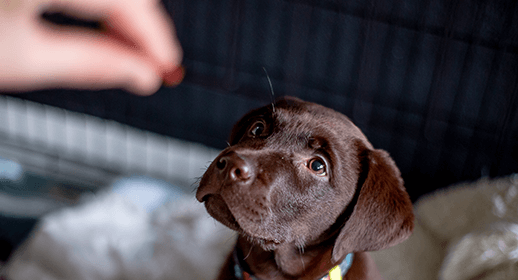
  • Treats


Helpful Hints

  • Use stainless steel, non-tip food bowls, which won't break or absorb odors.
  • Toys with parts that squeak or whistle can be dangerous if swallowed.
  • For a comfortable collar fit, allow for two fingers of space between the collar and your dog's neck; consider using an adjustable collar.


Fencing Options

Keeping your puppy safe in your yard requires good fencing. There are several options to choose from, and the one you should pick will depend on your puppy's personality, your property, and your budget. Here are some of the options you should consider:
 

  • Privacy fencing. Privacy fences have no openings and provide excellent containment.
  • Chain link. Inexpensive chain link works well and is durable.
  • Underground fencing. These electronic systems cannot be seen, jumped over, or dug under. Wire is buried, configured, and connected to a transmitter. The dog wears a special collar that emits warning tones and issues a mild shock as he nears the buried wire.
  • Kennels. A covered kennel run, especially one with a concrete floor, will keep your puppy from digging, climbing, or jumping out. Ask your veterinarian or breeder to recommend an appropriate size.


The First Days at Home

The ideal time to bring home a new puppy is when the house is quiet. Discourage friends from stopping by and don't allow overnight guests. First, establish a daily routine and follow these steps:
 

Step 1: Before bringing him in the house, take him to the designated potty area in your yard and spend a few minutes there. If he goes, praise him. Be sure to take him to this spot each time he potties.
 

Step 2: Take him to the room with his crate. This restricted area will serve as his new 'den' for several days. Put bedding and chew toys in the crate, leave the door open, and line the area outside of the crate with newspaper in case of an accident. Let him investigate the crate and the room. If he chews or urinates on his bedding, permanently remove it from the crate.
 

Step 3: Observe and interact with your puppy while he's getting used to his new den. This will help forge a sense of 'pack' and establish you as the pack leader.


Special Puppy Concerns

Don't treat a puppy as young as 6 to 12 weeks like an adult dog. Treat him the same way you would an infant, with patience, constant supervision, and a gentle touch. The way you interact with your puppy at this age is critical to his socialization. Use these tips:
 

  • Don't bring home a puppy while you're on vacation. You want to be able to spend a lot of time with him so you can acclimate him to your normal, daily routine.
  • Supervise your puppy at all times and interact with him regularly.
  • Be alert for signs (sniffing and circling) that he has to go to the bathroom, and take him outside immediately.
  • A young puppy has no bladder control, and will need to urinate immediately after eating, drinking, sleeping, or playing. At night, he will need to relieve himself at least every three hours.
  • Don't punish an accident. Never push his nose in the waste or scold him. He won't understand, and may learn to go to the bathroom when you're out of sight.
  • Praise your puppy every time he goes to the bathroom outside.
  • Feed your puppy a formula designed for puppies. Like a baby, he needs nutritious, highly digestible food.


Children and Pets

Ideally, your kids should help you choose your puppy. When you bring him home, don't let them play with him constantly. Puppies need a lot of rest, just like a growing child. Limit puppy-children play sessions to 15- to 30-minute periods, two to three times a day.
 

  • Young children might be tempted to shout at a puppy if they think he's doing something wrong. Be sure kids understand that puppies and dogs can be easily upset and startled by loud noises.
  • No teasing. Keeping a toy just out of reach will reinforce bad habits such as jumping up and excessive barking.
  • Wagging tails and play biting can be too rough for young children. Supervise puppy-child interactions and separate them if the play is too rough.
  • Teach kids to care for a dog by showing them how to feed and groom him.


Meeting Resident Pets

  • Keep resident pets separated from your new puppy for a few days.
  • After your new puppy is used to his new den area, put an expandable pet gate in the doorway or put your puppy in his crate.
  • Give your resident pet access to the area. Let pets smell and touch each other through the crate or pet gate. Do this several times over the next few days.
  • Give the resident pet access to the den area with your new puppy out of his crate. Supervise their meetings and go back to through-the-gate/crate meetings if trouble arises.

  • Common Questions about Feeding Your Dog
    Common Questions about Feeding Your Dog
    adp_description_block182
    Common Questions about Feeding Your Dog

    • Share

    Feeding your dog the right nutrients and a complete, balanced diet doesn’t have tobe a head-scratcher. Find out how to choose the right dog food, how often to feedyour dog, how to handle treats and supplements, and much more.


    Jump to questions about:

    Your Dog’s Food and Feeding Schedule

    So you’ve found a new cat you can’t wait to bring home to your growing fur family.While it may be tempting to simply put all cats in a room and let them work out the introductions, this can cause a lot of stress for new and resident cats alike. Here area few ways to help the introduction go smoothly.

    How Do I Decide Which Food to Feed?

    When deciding which pet food is right for your pet, consider these three factors:your dog’s life stage, lifestyle and overall condition. Life stage refers to whether your dog is a puppy, an adult or a senior. Lifestyle refers to how active or inactive your dog is normally. Condition refers to your dog’s overall health and body weight.

    How Often Should I Feed My Dog?

    How Often Should I Feed My Dog?

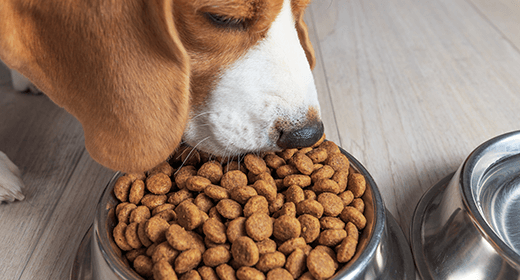
    Puppies should be fed three times a day from weaning (3 to 6 weeks) to 4 months of age. After 4 months, they should be fed twice a day. Most dogs should continue to be fed twice a day throughout their life, although some pets do well with one feeding.

    How Much Should I Give My Dog to Eat?

    The amount to feed your dog depends on their age, size and activity level. Feeding guidelines, which list the daily-recommended portion, are included on all IAMS™packages. Start feeding with this amount and adjust according to your pet’s needs.Remember to divide the portion accordingly if you feed more than once a day.

    When Should I Switch My Puppy to Adult Dog Food?

    You should switch your puppy to a premium adult dog food like IAMS™ Lamb and Rice Recipe when they reach adult height. Small breeds that weigh less than 20pounds can usually start eating adult food between 9 and 12 months of age. Medium breeds weighing between 20 and 50 pounds can eat adult food at 12 to 14months of age. Large and giant breeds that weigh 50 or more pounds can transition from puppy food to adult dog food between 12 to 24 months of age. If you’re notsure, consult your vet.

    What Is The Best Way to Introduce a New Diet to My Dog?

    When changing your dog’s diet, it’s important to slowly introduce new food. Start by offering your dog’s daily portion in a ratio of 25% new food to 75% current food. During the next three days, gradually increase the amount of new food anddecrease the amount of the old food.


    Nutritional Needs for Dogs
     

    Should I Feed My Dog Both Wet and Dry Food?

    Wet food is an excellent treat that can be fed alone or mixed with dry food. Although IAMS™ wet dog foods are nutritionally complete and balanced, you don’t have to offer wet food at every feeding. IAMS™ dry dog foods are formulated with high-quality protein sources such as such as chicken or lamb, and contain all the essential nutrients pets need. The crunchy texture of dry food also promotes healthy teeth and gums, and aids in overall good oral hygiene. In addition, some ofour dry dog foods contain a dental ingredient, sodium hexametaphosphate (HMP),to help block tartar build up on teeth during and after meals.


    Should I Feed My Dog Both Wet and Dry Food?


    What Should I Feed My Dog If They’re Overweight?

    If your dog is considered overweight for their breed and size, feeding a weight control dog food like IAMS™ Adult Healthy Weight, along with increasing their exercise and movement, can help address the issue. Don’t simply feed your dog less food — they still need to consume adequate protein, essential fatty acids and other nutrients even while they’re losing weight. And make sure to consult your vet before putting your dog on a weight management program.

    What Should I Feed My Pregnant or Nursing Dog?

    If your dog is pregnant or nursing, her nutritional needs have changed. The best food for a pregnant dog is a high-quality, nutrient-dense pet food formulated for all life stages, or for growth. A pregnant dog needs to consumer 25% to 50% more food than normal by the end of her pregnancy. A nursing dog should be fed a nutrient-dense diet such as IAMS™ Puppy and needs to eat two to three times her normal food requirement so she can nourish her puppies.

    Why Does My Dog Need to Eat Protein?

    Protein is an essential nutrient for dogs: It gives dogs amino acids that support healthy skin and a healthy coat, as well as muscles, tendons, ligaments and cartilage. High-quality animal-based proteins, like those found in chicken, lamb, fish and beef, contain all of the essential amino acids that dogs need to achieve optimal health.

    How Can I Learn More about Pet Nutrition?

    Contact MARS Petcare toll-free at 1-800-675-3849.


    Dog Eating Habits and Behaviors
     

    Will My Dog Be Bored Eating the Same Food All the Time?

    No. Boredom with food is a human trait. Dogs are creatures of habit and usually are happy with just one food. Dogs generally eat to meet their energy or nutritional needs. They have very short digestive systems, and if their diet is abruptly or constantly changed, digestive disturbances can occur. Also, constant changes can make your dog a finicky eater.

    Is It OK to Moisten Dry Food?

    Adding water will not change the nutritional value of a dry pet food. However, once moisture is added, make sure your dog eats it relatively soon — and also discard any uneaten portion to avoid spoilage. Feeding dry food is usually encouraged because of the benefit to your dog’s dental health.

    Will It Hurt My Dog If They Eat My Cat’s Food?

    Cats and dogs have different nutritional requirements and should not eat each other’s food. For example, cats require a much higher level of taurine in their diet. An occasional venture into each other’s bowls will not be harmful, but is not recommended on a regular basis.


    Treats and Supplements
     

    Can I Supplement Your Dog Foods with Vitamins, Minerals,Oils, etc.?

    Our foods are nutritionally complete and balanced. Adding vitamins, minerals or oils can offset the balance the food provides. One of the benefits of feeding a high quality product is that it has been carefully balanced in proper ratios to provide optimal nutrition — nothing needs to be added.

Close modal