Enter a keyword below to search for articles and products.
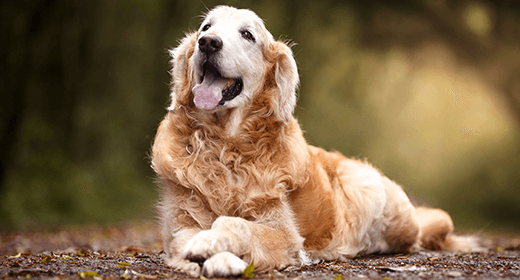
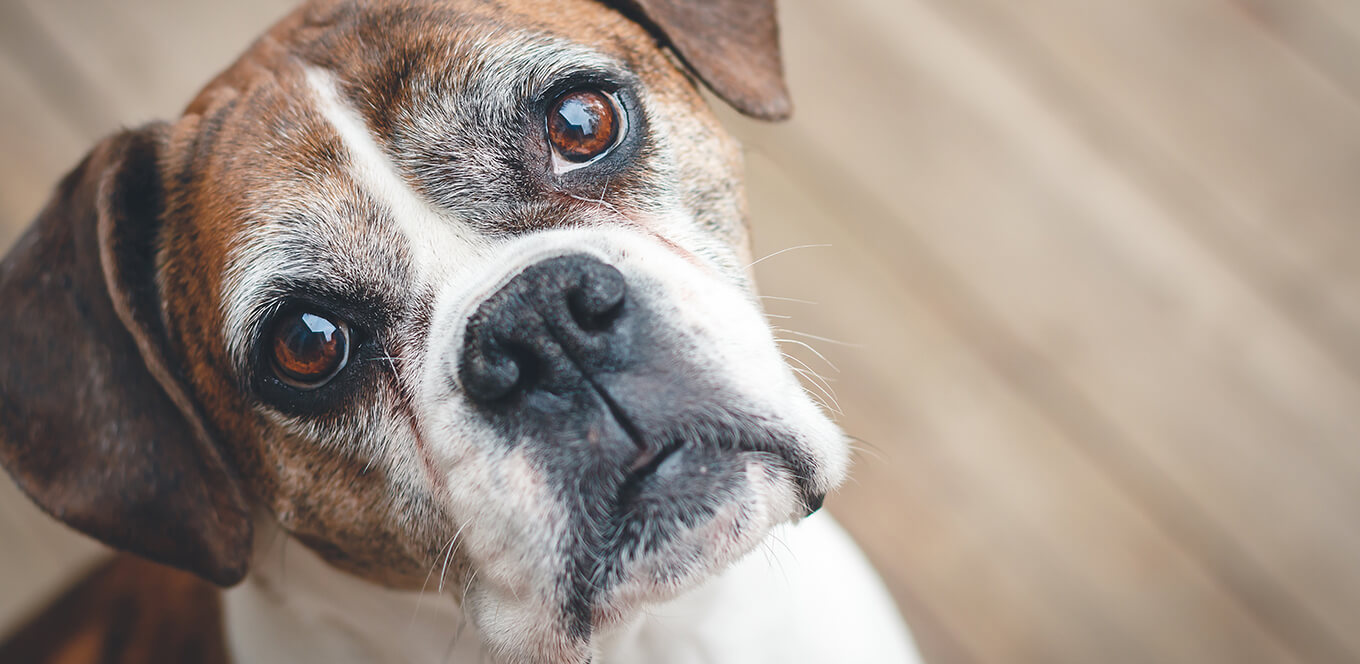
Does your mature dog sniff at his bowl and walk away instead of digging in? You may think he’s just being picky, but it’s important to keep an eye on how much he’s eating — especially if he’s a senior. While age-related diminishment of the senses of smell and taste may account for some of his disinterest in food, appetite loss can also indicate a serious medical problem.
“It’s important to give your dog enough calories because weight loss can be debilitating to senior pets,” says Wendy Brooks, D.V.M., who warns that a loss in appetite should be mentioned to your vet. A good rule of thumb: If your pet hasn’t eaten in a day, make a visit to the vet. Here are six ways to entice your canine friend with a nourishing meal.
Many animals find canned food more palatable because they like the taste and texture, Brooks says. You can top their favorite dry food with room-temperature wet food.
Dogs like a warm or room-temperature (not hot or cold) meal. Avoid serving him day-old wet food from the refrigerator, and keep his food away from heat. Another reason he might not be eating: It's too hot outside.
Dogs prefer consistency when it comes to their food. Don't change every day, but try a new flavor, such as lamb or chicken, and see if he responds (it may trigger his sense of smell). To avoid an upset stomach, introduce a new food by mixing it with his old food in equal increments each day.
Common mature-dog health issues, such as arthritis or joint pain, can make it difficult for him to access his bowls. Keep food and water where he spends most of his time. Put a water bowl on all floors of the house, too.
Older pets are at a higher risk of dehydration. Provide a clean bowl with fresh water at all times. It will help prevent disease, such as a kidney condition, and aid in digestion.
Dogs are people pleasers. If you see him eating, give him a little verbal reward. He'll know it makes you happy and will repeat the behavior.
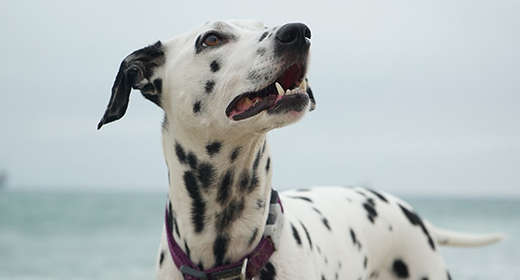
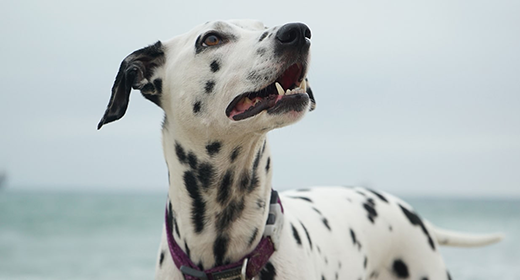
Nutrients like protein, fat, vitamins and minerals are vital to the skin and coat health of dogs. Your dog’s coat is made up almost entirely of protein. If his diet doesn’t contain enough protein quantity and quality, hair might fall out or become dry, weak and brittle. Likewise, his skin is made up of tightly packed flat cells with tough membranes made of proteins and fats. Without proper amounts of these nutrients, the cell membranes weaken, allowing water to escape and bacteria and viruses to enter more easily.
Make sure your dog is getting the following nutrients to keep his coat and skin healthy.
Proteins are found in both animal-based and plant-based ingredients. However, animal-based proteins contain all the essential amino acids dogs need, whereas plant-based proteins might not contain enough of some essential amino acids.
Fats also are found in both animal- and plant-based ingredients and are incorporated into skin cells as fatty acids. In particular, linoleic acid is essential for a dog’s skin and coat health. Without enough linoleic acid, dogs might experience a dull and dry coat, hair loss, greasy skin and increased susceptibility to skin inflammation.
Linoleic acid is found in chicken fat and vegetable oils (such as corn and soybean). IAMS™ research has also found that the fatty acids in vitamin-rich fish oils help promote excellent skin and coat health.
Your dog needs vitamins and minerals for a healthy skin and coat. The best way to provide these nutrients is by feeding a complete and balanced diet full of essential vitamins and minerals, rather than giving him supplements.
Vitamin or Mineral Importance to Skin and Coat Health
Vitamin A Necessary for growth and repair of skin
Vitamin E Protects skin cells from oxidant damage
Vitamin C Helps heal wounds
Biotin Aids in the utilization of protein
Riboflavin (B2) Necessary for fat and protein metabolism
Zinc Necessary for fat and protein metabolism
Copper Involved in tissue, pigment, and protein synthesis
Diet can be a factor when changes in skin and coat condition occur, but the most common causes are season and life stage. As cold weather approaches, most dogs grow a thick coat to help keep heat in and cold air out. As the weather warms up, they shed their thick, heavy coat.
Most puppies are born with soft, fuzzy hair, but as they age, a coarser coat grows. Pregnant or nursing dogs also might experience a change in coat condition or hair loss. And, as with humans, a dog’s hair might thin out and become coarser and white as he reaches his mature years.