Enter a keyword below to search for articles and products.


Healthy joints and proper weight are especially important for dogs that grow to be more than 50 pounds. But not all large- and giant-breed adult dogs have the same nutritional needs. Is your dog getting proper exercise? Is she about to have puppies? Special conditions can dramatically affect your dog’s nutritional demands. Giving her a food specially formulated for her large size, life stage and activity level is the easiest way to make sure she’s getting the nutrients she needs.
To address the special needs of your large- or giant-breed dog, look for these features:
These components are key to good nutrition. Look for them in treats, wet dog food, or dry dog food, such as IAMS™ ProActive Health™ Adult Large Breed.
Joint health is a big concern for owners of large- and giant-breed dogs. A large- or giant-breed formula that contains high-quality protein can help nourish healthy joints. Vitamins and minerals help promote the production of cartilage. Also, keeping your dog at a healthy weight will help minimize joint stress.
Dogs with lower activity levels and dogs that have been neutered or spayed are all prone to weight gain. Controlling your dog’s weight is an important step toward protecting against the health effects of excess weight, such as diabetes or joint health problems. If you use a weight-management food, look for these characteristics:
Pregnant dogs have substantial nutrition requirements. Starting in the seventh week of her pregnancy, a mother dog will need to increase her energy intake up to 50% by the time she gives birth and increase it even more when she starts nursing her puppies. Because she may lose her appetite at times, it's important that she eats a nutrient-dense food. A complete, balanced puppy formula can give her the extra nutrients she needs. But avoid puppy food created for large and giant breeds; these formulas contain specially adjusted levels of energy and minerals that may not be sufficient for a pregnant or nursing dog.
Dogs who grow to be more than 50 pounds are considered mature or senior at age 5 or 6, which is earlier than small-breed dogs. So, it’s critical to make a proactive transition to a specially formulated mature diet, such as IAMS™ ProActive Health™ Mature Adult Large Breed, to help keep your dog healthy and active as she ages.

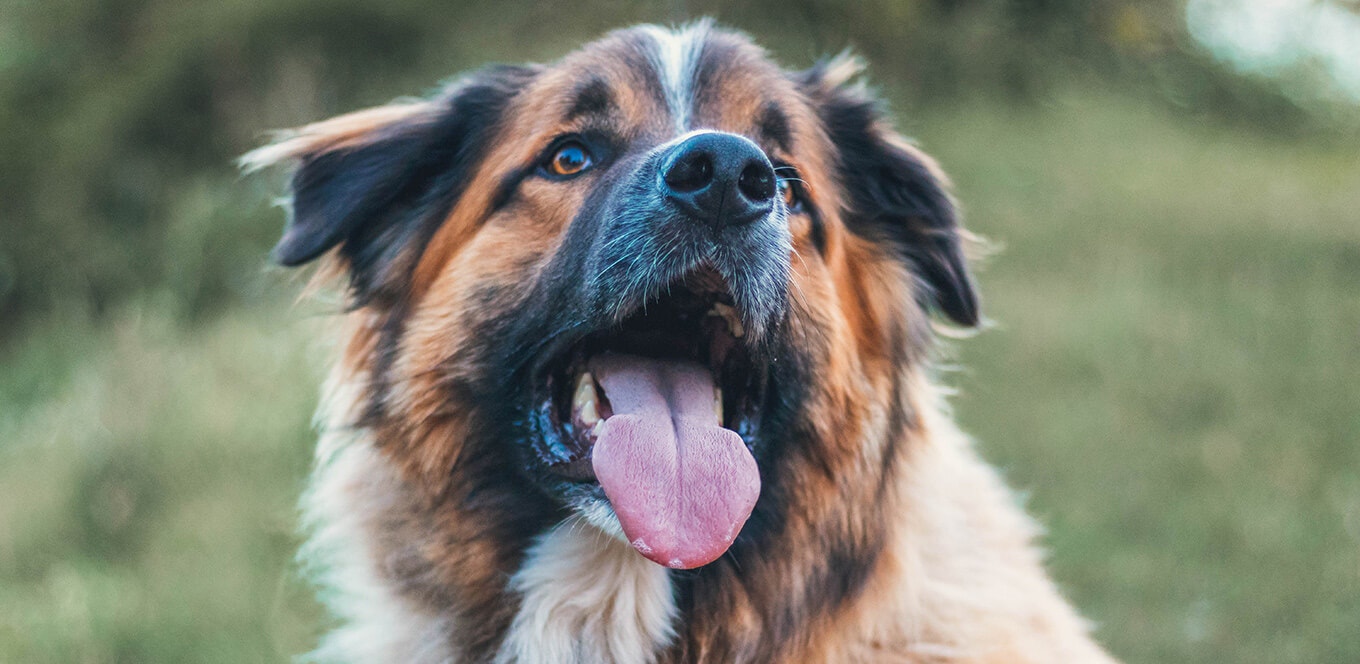
Bloat is a life-threatening condition that acts rapidly and can lead to death within hours if not recognized and treated immediately. Unfortunately, the cause of bloat remains unknown at this time.
The scientific term for bloat is gastric dilatation-volvulus or GDV. Bloat is characterized by rapid and abnormal expansion of the stomach with gas (dilatation). This can be followed by rotation of the stomach (volvulus). This rotation closes both the entry to and exit from the stomach. The blood vessels also are closed down, and blood flow is restricted.
What follows is an increase in pressure inside the stomach and compression of the surrounding organs. Eventually, shock will occur as a result of the restricted blood flow. Here are a few key facts about bloat:
Bloat is a true medical emergency, and early identification and treatment is critical to survival.
In the early stages of bloat, the dog will be very uncomfortable. You might see him pacing and whining or trying unsuccessfully to get into a comfortable position. He might seem anxious, might lick or keep staring at his stomach, and might attempt to vomit, without success.
Other indications of bloat can include weakness, swelling of the abdomen, and even signs of shock. Signs of shock are increased heart rate and abnormally rapid breathing.
If you notice these signs, call your veterinarian immediately!
These suggestions could help you prevent bloat in your dog. However, they are based on suspected risk factors and are not guaranteed to prevent the onset of bloat.
Another way you might help prevent bloat is to feed a high-quality, highly digestible food with normal fiber levels.
Feeding management offers the best method available for reducing risk until the exact cause of bloat can be identified. Although not 100% effective, these measures can reduce the number of dogs that face this serious, life-threatening condition.