Enter a keyword below to search for articles and products.
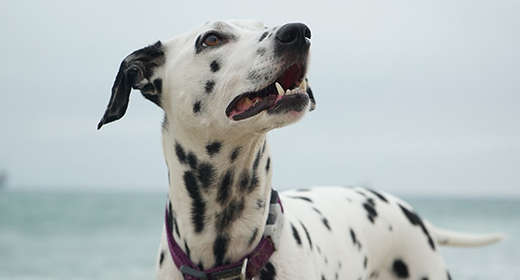
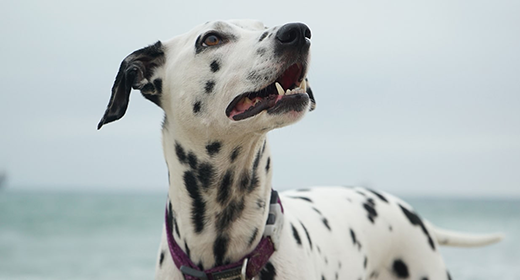
Nutrients like protein, fat, vitamins and minerals are vital to the skin and coat health of dogs. Your dog’s coat is made up almost entirely of protein. If his diet doesn’t contain enough protein quantity and quality, hair might fall out or become dry, weak and brittle. Likewise, his skin is made up of tightly packed flat cells with tough membranes made of proteins and fats. Without proper amounts of these nutrients, the cell membranes weaken, allowing water to escape and bacteria and viruses to enter more easily.
Make sure your dog is getting the following nutrients to keep his coat and skin healthy.
Proteins are found in both animal-based and plant-based ingredients. However, animal-based proteins contain all the essential amino acids dogs need, whereas plant-based proteins might not contain enough of some essential amino acids.
Fats also are found in both animal- and plant-based ingredients and are incorporated into skin cells as fatty acids. In particular, linoleic acid is essential for a dog’s skin and coat health. Without enough linoleic acid, dogs might experience a dull and dry coat, hair loss, greasy skin and increased susceptibility to skin inflammation.
Linoleic acid is found in chicken fat and vegetable oils (such as corn and soybean). IAMS™ research has also found that the fatty acids in vitamin-rich fish oils help promote excellent skin and coat health.
Your dog needs vitamins and minerals for a healthy skin and coat. The best way to provide these nutrients is by feeding a complete and balanced diet full of essential vitamins and minerals, rather than giving him supplements.
Vitamin or Mineral Importance to Skin and Coat Health
Vitamin A Necessary for growth and repair of skin
Vitamin E Protects skin cells from oxidant damage
Vitamin C Helps heal wounds
Biotin Aids in the utilization of protein
Riboflavin (B2) Necessary for fat and protein metabolism
Zinc Necessary for fat and protein metabolism
Copper Involved in tissue, pigment, and protein synthesis
Diet can be a factor when changes in skin and coat condition occur, but the most common causes are season and life stage. As cold weather approaches, most dogs grow a thick coat to help keep heat in and cold air out. As the weather warms up, they shed their thick, heavy coat.
Most puppies are born with soft, fuzzy hair, but as they age, a coarser coat grows. Pregnant or nursing dogs also might experience a change in coat condition or hair loss. And, as with humans, a dog’s hair might thin out and become coarser and white as he reaches his mature years.
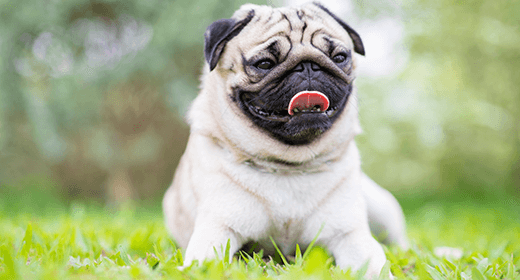
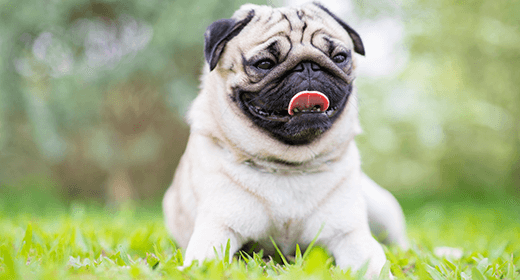
Pugs are naturally lazy and have a tendency to become obese very easily! So pug parents need to make it a point to walk their pugs regularly. Take them for a walk 1-2 times a day or play with them at home. But limit their exercise in hot and humid weather as they do tend to experience breathing difficulties.
Grooming a pug requires you to trim their hair and bathe them at least once a month. After bathing your pug with a mild shampoo, you must dry their hair quickly and properly or the skin folds that remain wet can become smelly and cause skin infections.
While pugs are a clever breed, they are strong-willed as well. Reward-based training is a great way to train your pug. Make sure that everyone in your family follows the same training practices so that your pug does not get confused.
While pug food can vary depending on their age, size, and health conditions, all pugs need complete and balanced meals that are tailor-made to meet their unique needs. You could feed them a premium recipe like IAMS™ Proactive Health™ Adult Pug to keep them slim and healthy. IAMS™ Adult Pug recipe is a blend of beet pulp and prebiotics (FOS) to support healthy digestion, L-Carnitine to support a healthy metabolism, and Omega 6 & 3 fatty acids to support skin and coat health. It is best to split their daily allowance into two meals.
Recommended pug food guide -
| SIZE OF PUG | RECOMMENDED DAILY FEEDING (G) |
|---|---|
| 1-2 kg | 30-45 |
| 2-4 kg | 45-80 |
| 4-6 kg | 80-105 |
| 6-8 kg | 105-130 |
| 8-10 kg | 130-155 |
Pugs are prone to a lot of health problems, more than other breeds. Common health issues include breathing problems, a range of eye problems, skin infections, Pug Dog Encephalitis (PDE), hemivertebrae, and hypothyroidism.
SOME FACTS ABOUT PUG DOG CARE
Pugs are easy to care for but put on weight easily. Also, their short muzzles make it difficult for them to breathe, especially in hot and humid weather. Because of this, pugs also tend to snore, so consider this if you are a light sleeper.
Pugs are intelligent creatures and very loving, making them a popular choice across the world. But do your research before taking the leap. Although they are cute and cuddly, caring for a pug dog needs commitment, so it's important to go into it fully prepared to do the work (and fall in love!)