Enter a keyword below to search for articles and products.
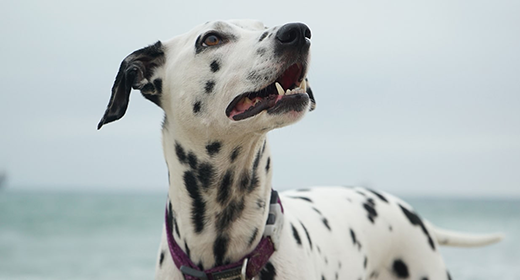
Nutrients like protein, fat, vitamins and minerals are vital to the skin and coat health of dogs. Your dog’s coat is made up almost entirely of protein. If his diet doesn’t contain enough protein quantity and quality, hair might fall out or become dry, weak and brittle. Likewise, his skin is made up of tightly packed flat cells with tough membranes made of proteins and fats. Without proper amounts of these nutrients, the cell membranes weaken, allowing water to escape and bacteria and viruses to enter more easily.
Make sure your dog is getting the following nutrients to keep his coat and skin healthy.
Proteins are found in both animal-based and plant-based ingredients. However, animal-based proteins contain all the essential amino acids dogs need, whereas plant-based proteins might not contain enough of some essential amino acids.
Fats also are found in both animal- and plant-based ingredients and are incorporated into skin cells as fatty acids. In particular, linoleic acid is essential for a dog’s skin and coat health. Without enough linoleic acid, dogs might experience a dull and dry coat, hair loss, greasy skin and increased susceptibility to skin inflammation.
Linoleic acid is found in chicken fat and vegetable oils (such as corn and soybean). IAMS™ research has also found that the fatty acids in vitamin-rich fish oils help promote excellent skin and coat health.
Your dog needs vitamins and minerals for a healthy skin and coat. The best way to provide these nutrients is by feeding a complete and balanced diet full of essential vitamins and minerals, rather than giving him supplements.
Vitamin or Mineral Importance to Skin and Coat Health
Vitamin A Necessary for growth and repair of skin
Vitamin E Protects skin cells from oxidant damage
Vitamin C Helps heal wounds
Biotin Aids in the utilization of protein
Riboflavin (B2) Necessary for fat and protein metabolism
Zinc Necessary for fat and protein metabolism
Copper Involved in tissue, pigment, and protein synthesis
Diet can be a factor when changes in skin and coat condition occur, but the most common causes are season and life stage. As cold weather approaches, most dogs grow a thick coat to help keep heat in and cold air out. As the weather warms up, they shed their thick, heavy coat.
Most puppies are born with soft, fuzzy hair, but as they age, a coarser coat grows. Pregnant or nursing dogs also might experience a change in coat condition or hair loss. And, as with humans, a dog’s hair might thin out and become coarser and white as he reaches his mature years.


Low-cost food might be better for your wallet, but it can be a raw deal for your dog, because he may not get the nutrition he needs. Premium foods, such as IAMS™ ProActive Health™ Smart Puppy Original , make sense both nutritionally (because of consistent, high-quality ingredients) and economically because they provide:
The investment in a premium food might initially cost more per bag, but because these high-quality formulas are high in nutrient density, your dog may need less food, which can offset the higher cost per unit of weight. On a cost-per-feeding basis, look at how much you feed each day as opposed to how much the bag costs, because nutrient and energy density will generally be lower for a low-cost food compared with premium foods.
With budget-priced formulas, the emphasis is on production and ingredient costs. Two bags of the same least-cost formulated food can have different ingredients and/or levels of ingredients. Plus, those ingredients may vary significantly in digestibility. This means, simply, that you may need to feed more just to equal the nutrition offered by a smaller amount of a premium dog food formula.
High-quality, complete, and balanced premium dog foods such as the IAMS brands are specifically designed to provide your dog with a food that has:
To determine how much food to give your dog, check the daily feeding recommendations set by the pet food manufacturer and read the label. To calculate portion sizes, divide the total daily recommended amount by the number of times (usually two for adult dogs) you plan to feed your dog.
To tell if your dog is at a healthy weight, move your hands along his sides. If you can feel his ribs, he's about right. Or, look down at him when you're directly above him. You should be able to see a waistline.
If he's gaining or losing a lot of weight, slightly decrease or increase his daily intake and weigh him in another week. If you have specific concerns about your dog's weight, talk to your veterinarian. He or she can assess your dog's needs and make a feeding recommendation.
Once you've decided on a premium formula, you have another choice to make: dry or moist. And what about biscuits?
Premium dry dog food gives you the best value and convenience, while fortifying your dog with high-quality nutrition. Premium dry foods come in a number of bag sizes and formulas suited to size, life stage, and activity level. Dry food also helps keep teeth clean, and it stays fresh for a long time if you store it properly.
Wet foods from IAMS provide 100% complete nutrition. IAMS ProActive Health Puppy Biscuits make great treats and rewards and can add taste variety to your new dog's diet.