Enter a keyword below to search for articles and products.
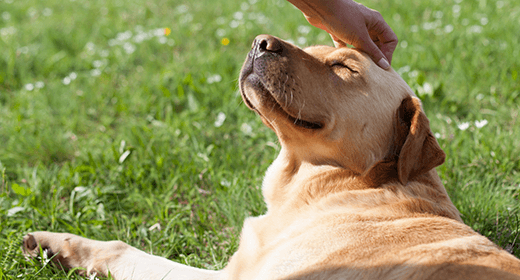
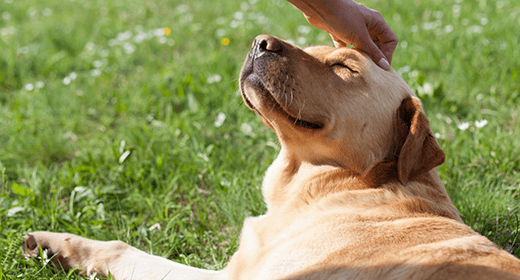
Between 25 and 40% of dogs are overweight, but often, owners don't know it until they take their dog to the veterinarian for another reason. Yet, even veterinarians can't tell if a dog is fat just by its weight. Ideal weight varies by breed, and quite widely within breeds. There's no ideal weight chart for all dogs!
You can judge your dog's condition by placing your hands on each side of his rib cage. Are the ribs protruding? Your dog may be too thin. Can you feel individual ribs easily, and is your dog's abdomen slightly tucked up when viewed from the side? That's the sign of ideal weight. If you can't feel the ribs easily, your dog has no waist, and his abdomen drags, he's too fat. Your veterinarian can help you further evaluate your dog's weight.
Before beginning any weight loss program with your dog, discuss it with your veterinarian.
You can begin your dog's weight-loss program by reducing caloric intake by 25% of his maintenance intake, and then decrease it by 10% increments every two to three weeks until a 1% weight loss per week is achieved. This means that, if your dog weighs 15 pounds, a 1% loss would be about 2-1/2 ounces.
If you feed one large meal a day or keep food available at all times, try dividing the daily ration into several small meals (at least two meals a day) and pick up what has not been eaten 30 minutes after each meal.
Dogs gain weight for the same reason that people do—they eat more calories than they use. Today's dogs share another problem with their parents: lack of activity. Most parents are gone all day and come home too tired to play with the dog.
Also, as dogs age, or after they are spayed or neutered, their metabolism might slow causing them to require less food.
Another reason for weight gain is frequent, high-calorie treats. Sometimes, more than one family member is feeding the dog, and the dog sure isn't telling!
Losing weight isn't easy. Changing habits is the key. Here are some ways you can help:
Determine who feeds the dog what and when. (Don't be embarrassed to admit you give your dog treats. Dogs are expert beggars.)
Substitute affection for treats. Give a pat or throw a ball when he noses your hand.
Take your dog for a walk more often. Even 10 minutes a day can help.
Feed him more often. It takes energy to digest food. Dividing your dog's daily ration into two or three feedings will help.
Reducing your dog's regular food amount by 25% should bring results.
If your dog is more than 15% overweight, your veterinarian might recommend a special food. Diet foods should be low in fat (under 20% of calories from fat).
Your goal is to help your dog be healthier, so select his food carefully. Some diet foods just add fiber to help the dog feel full. This can result in reduced digestibility, large stool volume, frequent trips to the backyard, and decreased skin and coat condition because the dog isn't getting enough fat and nutrients.
Find a food, such as IAMS™ ProActive Health™ Adult Healthy Weight, that has normal fiber levels to keep your dog's digestive system working properly. It should have high-quality protein so your dog doesn't lose muscle tone and essential fatty acids to help keep his skin flexible and coat glossy throughout the dieting process. After your dog reaches ideal weight, select a maintenance food to keep weight steady.'
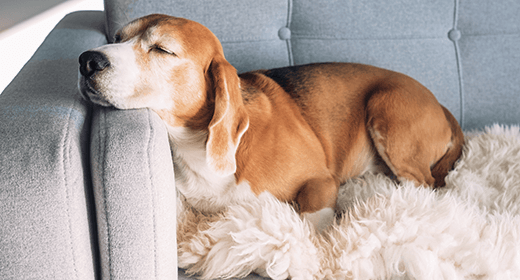
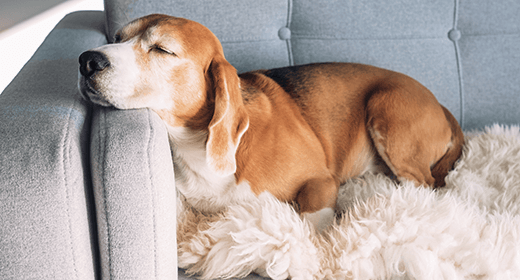
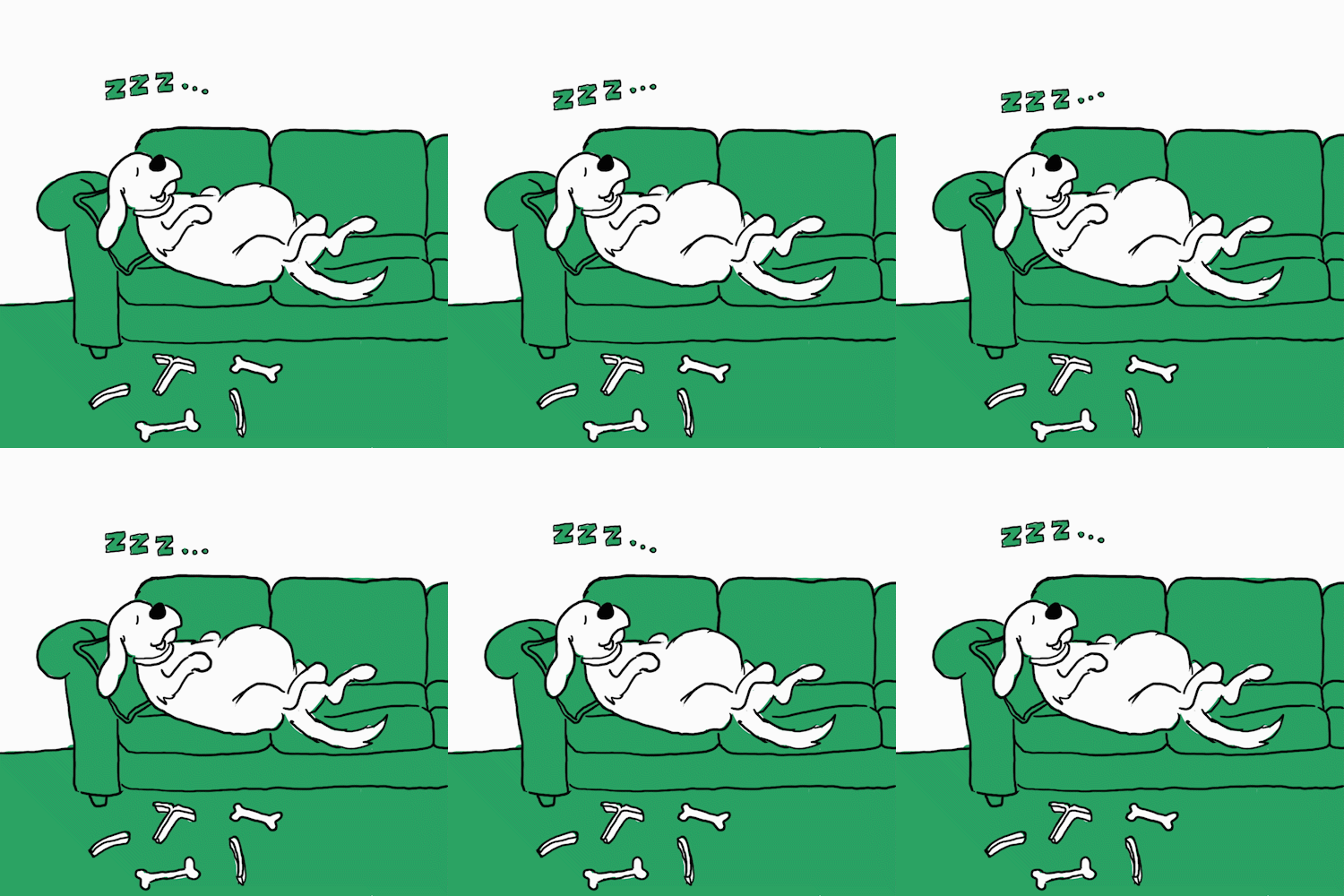
We asked dog owners* how many hours a day they think their adult dog sleeps. The answers averaged around 9.7 hours. Truth is, dogs normally sleep around 12-14 hours a day. (Cats sleep 12-16 hours, which is why it’s called a “catnap,” we presume.) “Normal” can depend on lots of things. Bigger breeds definitely need more z’s. Older dogs tire quicker and sleep more. Growing puppies need up to 20 hours a day. Being cute must really be tiresome.
But why do they sleep so much? We’re not going to let sleeping dogs lie; we’re getting to the answers.
Dogs spend less time in deep REM sleep, so they’re able to wake quickly and be ready to go — whether it’s responding to danger or the opening of a bag of chips. It also means they need to doze more often to make up for that lack of truly restful sleep.
In general, carnivores need more rest. “In their wild dog and wolf days, it was a hunt for food, bringing down large prey, then feasting,” says
Opens a new windowDr. Jo Gale, BVetMed CertLAS MRCVS, Senior Manager, Global Science Advocacy at Waltham Petcare Science Institute. “They’d spend a long time digesting and may not eat for a few days. There’s a tendency to conserve energy.” Just think about how you feel after eating a huge steak. Incoming meat coma. Goodbye, belt. Hello, sofa.
Yawn. When owners are out of the house, dogs often sleep simply because they’re bored. They’re not into books and haven’t quite figured out how to turn on the TV, so why not catch a few extra winks? Plus, they want to be super refreshed when you come back home in the evening.
Some dogs like to sleep longer and some dogs are just lazier than others. According to
Opens a new windowDr. Tammie King, Applied Behavior Technical Leader at Waltham Petcare Science Institute, “You might see more sleeping after intense exercise or they’ve gone to a pet sitter or boarding center due to high stimulation.” There’s usually no cause for concern unless they seem lethargic and lose interest in playing or eating, or begin listening to a lot of emo music.
Their wild days long gone, dogs have adapted their sleep schedules to match humans’ sleep schedules. Sort of. They still might get you up in the night or early morning before your alarm goes off. It’s best to exercise them in the morning and evening so they’re more tired — and have used the facilities — right before everyone else goes to sleep.
Now, the only question remaining is, what do you think your dog dreams about?
*Surveyed U.S. dog owners, age 18+
Sample Size: n=201
Fielded May 8-10, 2020