Enter a keyword below to search for articles and products.
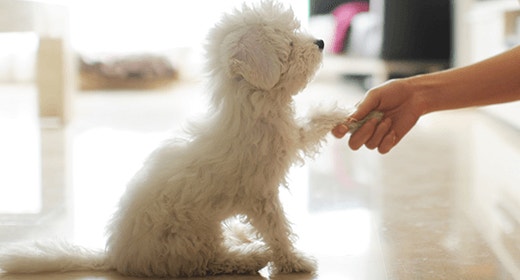
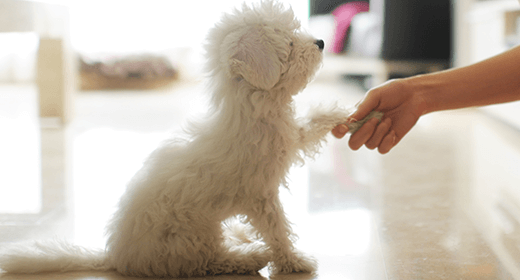
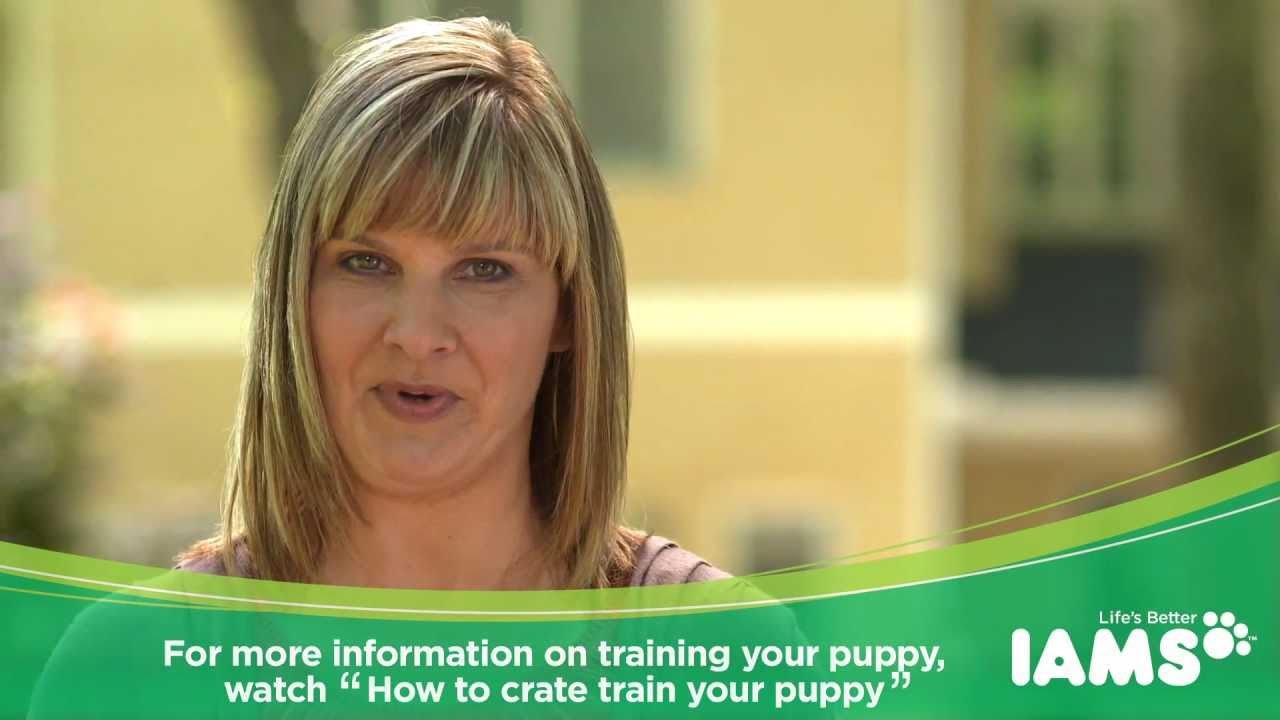
A new puppy is wonderful in pretty much every way, at least until they start having accidents around your apartment or house. But do not fear, Expert Pet Trainer Kathy Santo has all the answers. Watch as she takes you through the basics on everything from establishing a routine to rewarding your puppy when they eliminate outdoors.
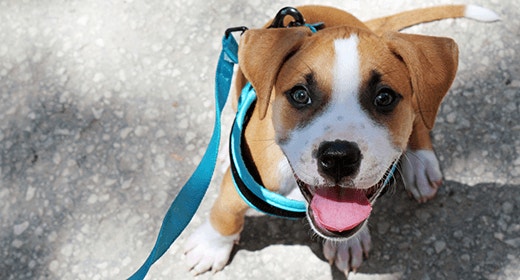
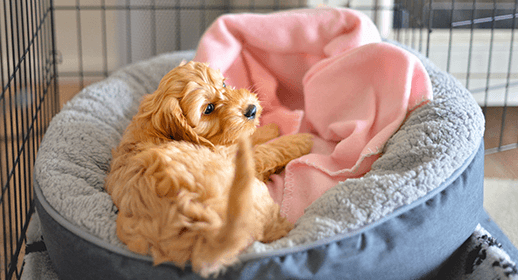
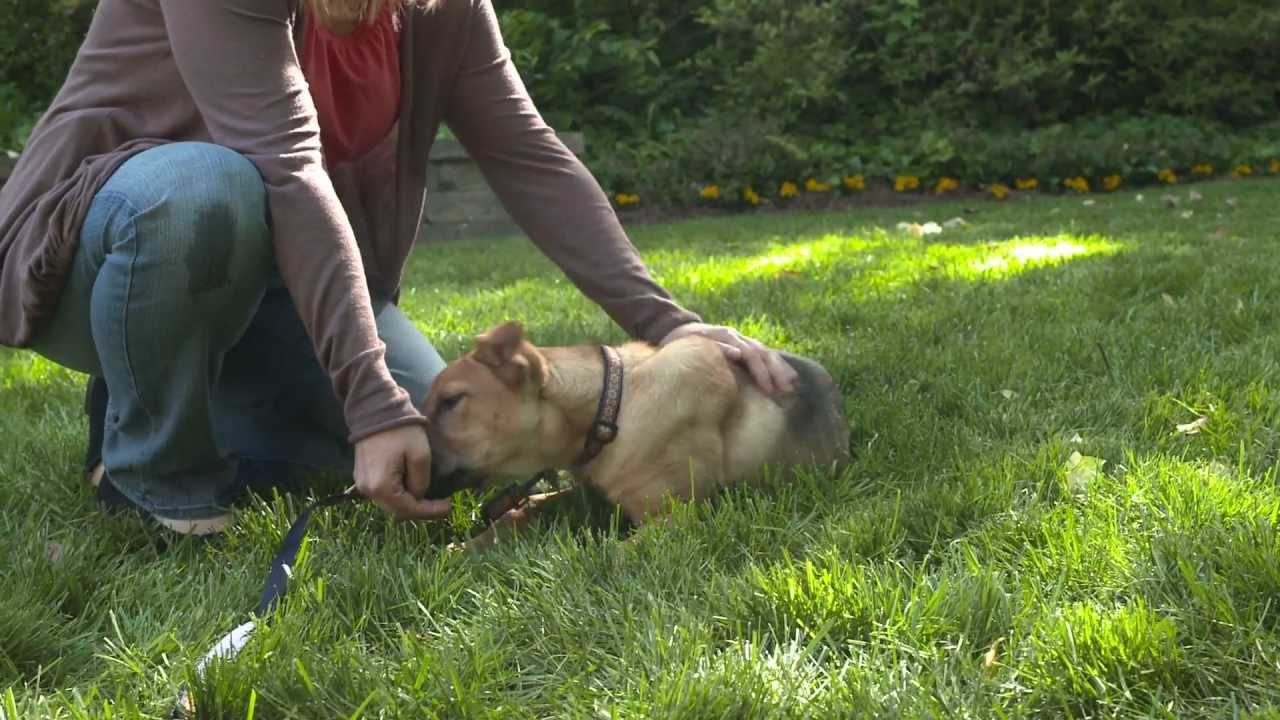
House training your puppy requires more than a stack of old newspapers. It calls for patience, commitment, and above all, consistency. Hi, I'm Kathy Santo with IAMS, and today we're going to talk about how to house train your puppy. A trusting and consistent relationship is fundamental to successful house trading. The more consistent you are, the faster your puppy will learn. House training a puppy can take several weeks, and sometimes longer with smaller breeds. The first step to house training your puppy is to establish a routine. Puppies do best on a regular schedule, because it teaches them that there are times to eat, times to play, and times to potty. As a general rule, a puppy can control his bladder about an hour for every month of age. So if your puppy is only three months old, he can probably only hold it for about three hours, if not less. Make sure to take him right out after he wakes up, during and after play time, and after eating or drinking, because these are times he'd most likely to have to go. If you work, and are unable to take your puppy outside as often as needed, you could hire a dog walker to give your puppy his necessary breaks. I recommend picking a specific bathroom spot outside, and always taking him there first when he's on a leash. While your puppy is going, say something like, 'go potty,' so that you can eventually use that phrase to remind him what to do. You should take him out for a walk or play time after he's gone potty, or he might just learn to hold it to keep you outside. Reward your puppy every time he goes potty outdoors with praise or a treat, but make sure to do so immediately, before he goes back into the house. Rewarding correct behavior is the best way to teach your puppy. Be careful not to reward your puppy until he's completely finished, or he may forget to finish up outside, and then have an accident inside. And remember, what goes into a puppy on a schedule comes out of a puppy on a schedule. So always take your puppy out after feeding. Try picking up your puppy's water dish about two and a half hours before bedtime, so he won't have as much water to try and hold overnight. If you keep a consistent schedule, your puppy could be house trained by the time he's five to six months old. But don't be discouraged if it takes your puppy longer, or has an occasional accident. Many factors, including breed of dog, consistency, and temperament can contribute to a longer training period. If you feel that there's little to no progress, consult with your veterinarian to be sure that a medical issue, such as a bladder infection, isn't the culprit. Supervision in the beginning is critical. Exercise pens are extremely helpful while house training. Keeping your puppy in a small space within eyesight will allow you to notice and react when they start showing the signs of needing to eliminate. Those signs can be barking, scratching at the door, squatting, sniffing, or circling. If you're unable to monitor your puppy, you can confine him to an area small enough so that he won't want to eliminate there. A space just large enough for him to lay down with a couple extra inches is just fine. Many people choose to combine with a crate, which can be very helpful for house training your young dog. For more information on crate training, watch 'How To Crate Train Your Puppy.' I'm Kathy Santo with IAMS, and I hope that you found this helpful as you welcome your new addition to your family.
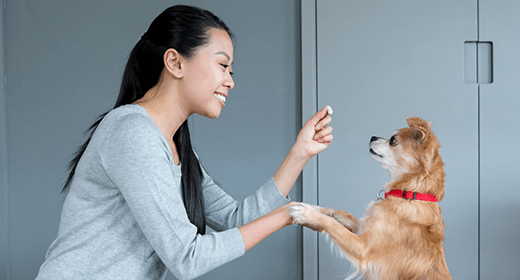
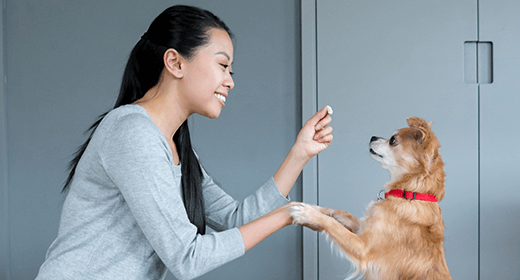
Join Expert Dog Trainer Kathy Santo as she goes through the basics of puppy obedience training. She’ll show you how to train your puppy to follow three basic commands: “sit”, “lie down”, and “stay. Then she’ll discuss how proper nutrition plays an important role in the overall training process.
Hi, I'm Kathy Santo with IAMS, and today we're going to discuss basic puppy obedience training. Obedience training is one of the best things you can do for you and your puppy. So this video will focus on the three basic commands: sit, lie down, and stay. A puppy can learn a great deal, even as early as seven weeks of age, if learning is fun and presented in the form of play. To establish a positive rapport with your puppy and prevent many future problems, start training a few days after your puppy settles in. A relationship based on friendship and trust will ensure that he tries hard to win you praise and approval. Before giving a word command to your puppy, speak his name to get his attention. Then speak a one word command, such as stay, sit, come, or heel. Your puppy won't respond to commands until he knows his name. Don't get impatient. The quickest way to teach your puppy his name is to reward him every time he looks at you. Always train when your puppy is hungry, lonely, or bored. When all his needs are met, he won't be as motivated to do as you say. For example, training right before meals will help him associate his meal with a reward for the training, and also make him more interested in the treat you use in your training session. Also, remember to use motivation, not negative reinforcement. Reinforce desired behaviors by offering toys, food, and praise, so the puppy wants to obey. Different dogs value different rewards. Some may think a tennis ball is the best thing in the world, while another puppy may find a tennis ball meaningless, but would do nearly anything for the chance to have a treat. Never use physical punishment on a young puppy, as you may scar him both mentally and physically. Also, refrain from calling your dog to come to you for punishment, because this will teach your dog not to come on command. Dogs can feel human emotions, so stay relaxed, firm, and confident. Be sure to keep any frustration out of the tone of your voice. And if you feel yourself becoming frustrated, take a break. Your dog can sense this, and will start to associate training with your unhappiness. Most puppies, like young children, enjoy learning, but have short attention spans. Training sessions should be frequent and short to prevent your dog from becoming bored. 10 to 15 minute sessions, two or three times a day, is ideal. The first command I'm going to show you is sit. Your puppy's on the leash, and you're sitting on the ground with a leash under your legs, so he can't take a field trip away from you. Hold your hand high over his head with the reward in it. Your dog will look up at the reward. Use your other hand to gently guide your dog into a sitting position, and say in a clear, firm, tone, 'sit,' while still holding the reward in the air above the dog's head. When your dog sits, give them the treat, and verbally praise him. The second command I like to teach is lie down. Have your dog sit. Let him know you have the treat, but don't give it to him. Slowly lower your hand with the treat to the floor to bring your pup's nose close to the ground. When he starts to follow it, say 'lie down.' Once he's fully on the floor, you can give him the treat. Repeat saying lie down and rewarding correct behavior. Now for stay. Have your dog sit. Let him know you have the treat, but don't give it to him. Go in front of your puppy, raise your open hand, and say 'stay' firmly, so your puppy can associate your open hand with what he's learning. Start to move away from your puppy while occasionally repeating the stay command. Start with only a few seconds of staying at a time, and then move to slightly longer amounts. Always come back and reward your puppy if he follows instructions. The last thing I'd like to talk about is nutrition, and its implications on puppy training. Good nutrition leads to a healthy dog with higher quality of poop, and more predictable and balanced behavior, so he's easier to train. Make sure your puppy is getting the well balanced diet he needs for optimal development. For more information on puppy nutrition, watch the video 'What is the best puppy food for your puppy?' I'm Kathy Santo with IAMS, and I hope that you found this helpful as you welcome your new addition into your family.