Enter a keyword below to search for articles and products.
Many factors influence the overall health of your dog’s skin and coat: His diet and grooming schedule, the presence of parasites and seasonal changes can all play a role. Whether your dog is prone to skin issues or you want to ensure your pup’s health for years to come, you’ll need to keep a few key things in mind.
Regular veterinary checkups will ensure that your dog is disease- and parasite-free. Flea-bite allergy and external parasites, such as mange, are primary causes of hair loss and skin problems.
In addition to scheduling checkups, check your dog’s hair and skin at least once a week for signs of fleas (flea dirt or bites), mange or other skin conditions, and hair loss.
If your dog’s skin seems thick or scaly or lacks elasticity, or if you notice hair loss, these signs might indicate a nutritional deficiency. Check with your veterinarian, and try feeding him a premium food. It will usually take between six and eight weeks after a diet change to see results. If your pet continues to scratch and chew his skin, consult a veterinarian.
When looking for a dog food that will promote good skin and coat health, keep the following in mind:
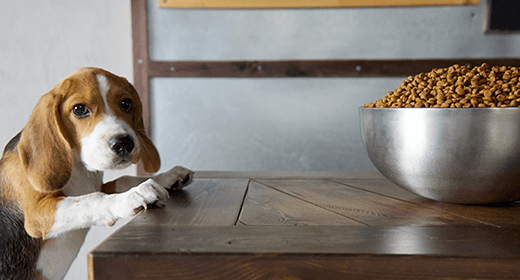
What's the best thing you can do for your dog’s skin and coat health? Feed a high-quality food packed with protein, such as IAMS™ ProActive Health™ Adult MiniChunks. Dogs are best fed as carnivores: They need protein and thrive on diets rich in animal-based protein sources. Additionally, their hair is actually 95% protein! Although coat growth varies by breed, the combined growth of all the hair can add up to 100 feet per day in some dogs. This means that nearly 30% of the animal’s daily protein requirement is used just for coat growth during some seasons.
Premium pet foods are carefully formulated to be complete and balanced, which means the food includes all of the nutrients your pet needs. Ingredients in premium foods are highly digestible so your dog's body uses the nutrients efficiently. Less costly foods might contain lower-quality proteins. Though a bag of premium food may cost a bit more than other brands, you might be able to feed less, which minimizes the cost difference.
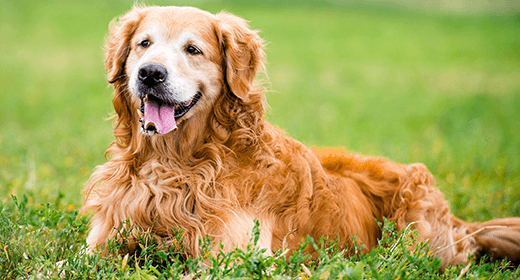
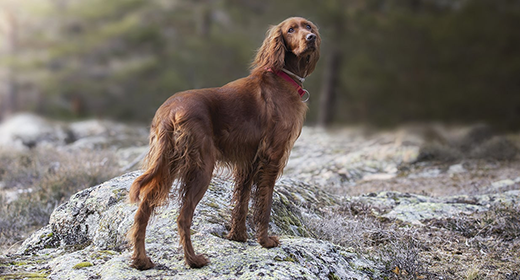
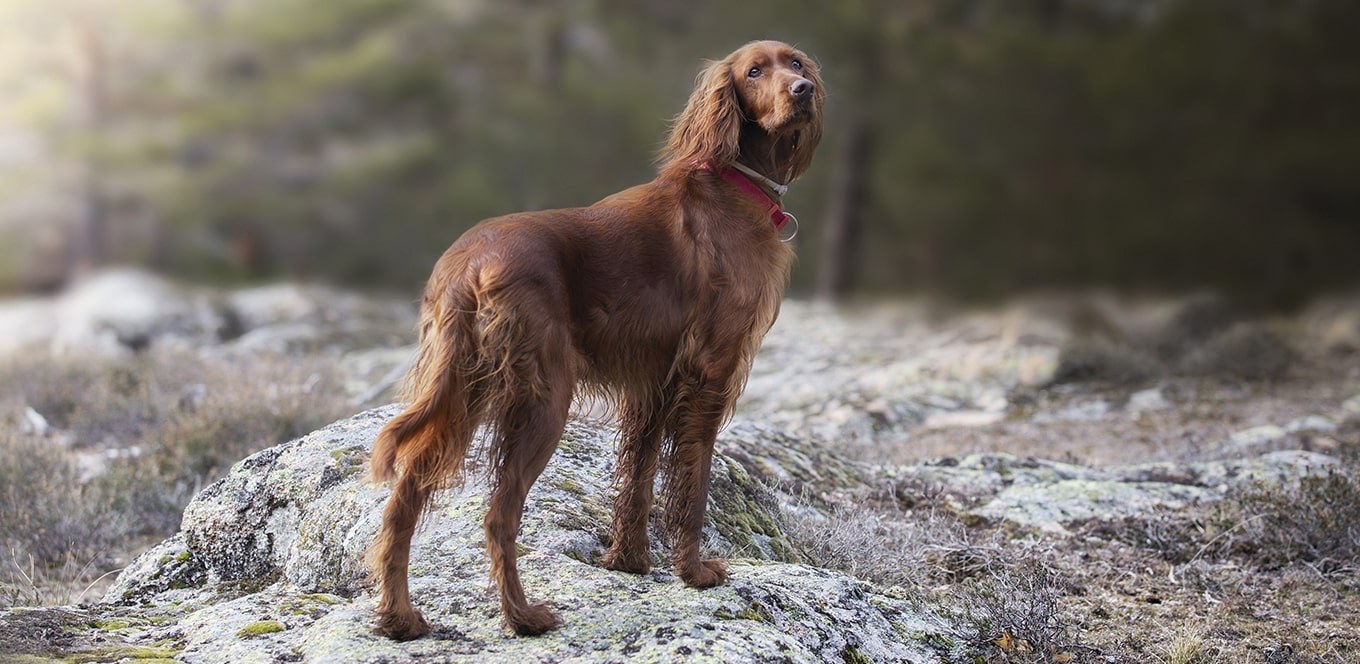
It’s easy to spot a healthy-looking dog: He has a gleam in his eye, a bounce in his step and a glossy, healthy coat. That glow is a reflection of your dog’s overall health and a good gauge of what’s going on inside and outside.
Regular grooming helps take care of the “outside” by removing loose hair, dirt and mats, and distributing skin oils. Grooming lets you check your pet closely, catching any skin problems early. Plus, your dog will love the attention!
As dogs age, their skin might become more sensitive. Select a mild dog shampoo for your older dog. Shampoos made from coconut or palm oils are the mildest. Unusual or “doggy” odors can signal disease, so if odors persist, contact your veterinarian. Do not use human shampoos because they are often too harsh for a dog’s skin.
When bathing your dog, be sure to rinse him thoroughly. Residue left on the skin can be irritating. You might want to follow the shampoo with a hair conditioner to control static electricity and add extra body or sheen.
During the summer, pay close attention to your dog’s skin and coat. Many dogs shed a winter coat and others face flea problems, so it’s a good time to evaluate your dog’s skin and coat condition to nip any problems in the bud.
Attention to your dog's coat and skin from the inside out will produce a healthy, lively dog that is a joy to look at — and a pleasure to live with — every day!
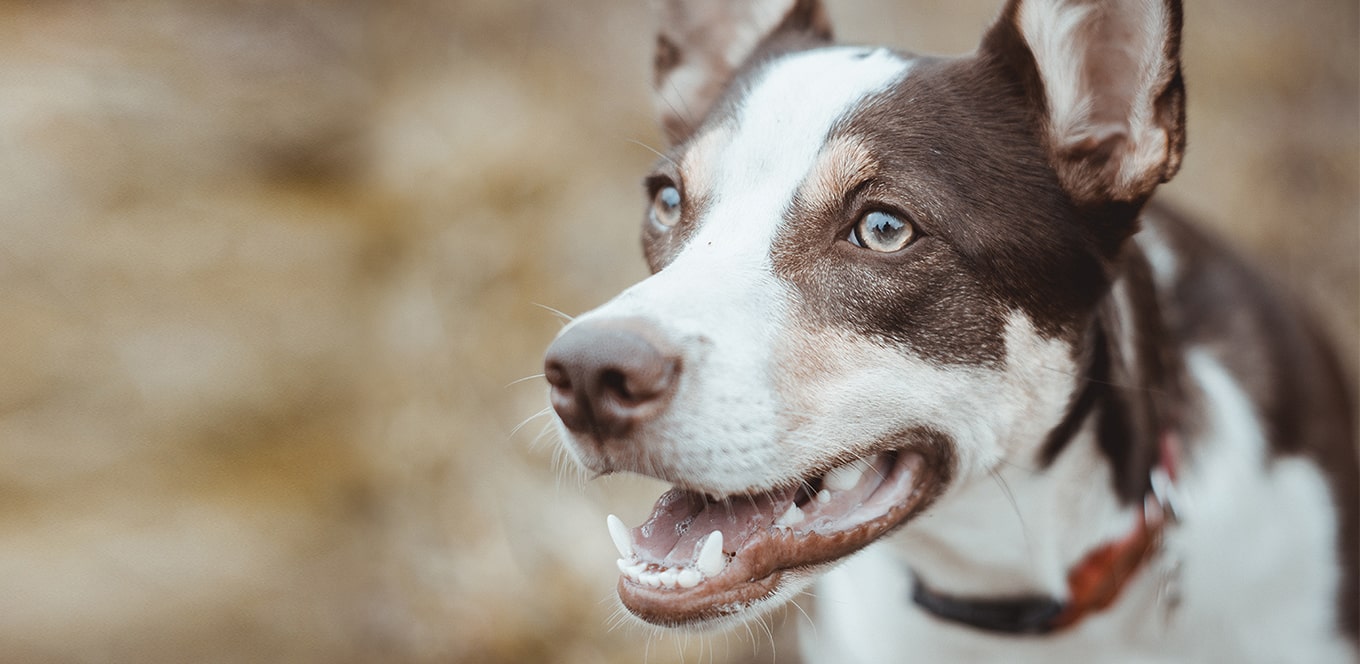
Dogs need regular dental care just like you do; gum disease and broken teeth are the major concerns. Fortunately, pets seldom suffer from tooth decay. Their cone-shaped teeth, non-acidic saliva, and low-sugar diets all help protect them from this nasty ailment. (Note: If you give your pets sweets for snacks, they can get cavities.)
Regular brushing and professional cleaning can keep your dog’s teeth healthy and gleaming. Giving your pet appropriate toys to chew prevents fractures.
Periodontal disease affects the gums, bones, and connective tissue around the teeth, and it can cause tooth loss. First, plaque—a soft, clear, or cream-colored deposit—forms on the teeth. If it isn't removed, minerals in the dog's saliva turn plaque into tartar. Tartar builds up below the gums, and bacteria grows, causing inflammation.
The same bacteria that causes the inflammation can enter your pet's bloodstream and cause or aggravate lung, kidney, liver, and heart problems. That's a lot of trouble, worry, and cost from something that could be stopped in its early stages.
When your puppy first begins to get permanent teeth, check carefully to be sure the baby teeth come out as the new teeth come in. Retained teeth can cause the permanent teeth to be crooked. Toy dog breeds, with their tiny jaws, are at special risk for this problem.
While hard foods and chew toys can help keep teeth clean, you need to get your pet used to regular tooth-brushing. As soon as you bring your new pet home, get him accustomed to having his mouth handled. This is good practice for dogs that will be shown; judges check to make sure dogs have their full set of teeth. It is also good training—it teaches the dog to tolerate having things in his mouth without biting or snapping.
What your dog eats affects his 'smile.' Dry foods and treats help clean plaque from his teeth. Rawhide chews are also good cleaning tools, as are some of the knobby plastic toys on the market. None of these are hard enough to cause tooth damage, but be sure to watch your pet to make sure small pieces of the toys aren't torn off and swallowed. Real bones can also be dangerous for your pet and should not be used for tooth-cleaning purposes.
All dry adult IAMS™ Dog Foods, such as IAMS ProActive Health™ Adult MiniChunks, include Daily Dental Care, a special kibble coating that helps reduce tartar buildup for better oral health.
It just takes a little time and patience. Begin by running your finger gently over his gums. At first, just rub the outside, but as he adjusts to the routine, begin to open his mouth and rub the gums inside the teeth as well.
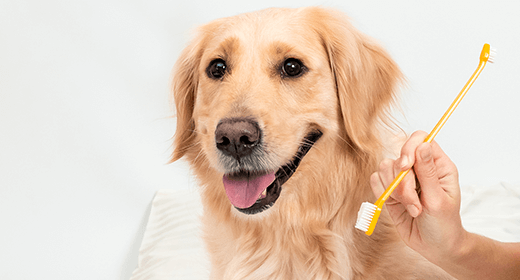
As your dog gets accustomed to this, wrap your finger with gauze and rub his gums. Eventually, add a pet toothpaste; do not use human toothpaste. After a few weeks, your dog should be willing to accept a toothbrush for pets, which should have soft, multi-tufted synthetic bristles.
Hold the toothbrush at a 45-degree angle and apply it to the area where teeth and gums meet. Rotate it in small circles, overlapping several teeth. Finish with vertical strokes to pull plaque from between the teeth. Repeat until all the teeth on the cheek side are clean. The inside teeth will be more difficult, as your dog may resist opening his mouth, but eventually you'll be able to brush the inside and outside surfaces of all the teeth. For effective cleaning, brush your dog's teeth a couple of times a week.
If your dog won't cooperate with home brushing or if you already see brown tartar stains on his teeth or red and bleeding gums, it's time to turn to your veterinarian for help. He or she will give your dog general anesthesia and clean the teeth above and below the gum line to remove plaque and tartar. After the teeth are cleaned, they will be polished to remove microscopic plaque and to make the teeth smooth to discourage plaque from clinging.
Remember, dental care is as important to your pet's health as it is to your own—you owe it to your dog to provide regular tooth care and cleaning.