Enter a keyword below to search for articles and products.


Diet plays an important role in the endurance potential of canine athletes. The Alaskan sled dog might be considered the ultimate canine athlete, sometimes pulling a sled more than 1,000 miles in subzero temperatures. Providing a well-balanced diet is essential to meet the special needs of dogs in such nutritional-stress situations. Not only should the diet fed to these dogs be high in protein, but it also should be high in fat, which serves as the major energy source for exercising muscles.
A high-fat diet can help muscles burn fat more efficiently. During sustained exercise, fatty-acid oxidation is the primary source of energy for the muscles. Increasing the efficiency of fat metabolism spares the body’s use of carbohydrates, and because most dogs have in excess of 10 to 50 times more energy stored in fat than in muscle glycogen (carbohydrate), this might boost the animal's exercise performance.
IAMS™ studies1 have shown that in trained sled dogs as in ordinary dogs, exercise performance was enhanced by switching from a low-fat to a high-fat diet (from 25 to 65% of calories from fat), as indicated by increased:
When dogs were switched back to a low-fat diet, all of these criteria decreased to their previous values.
These results indicated that by increasing the availability of fat stores and capacity to metabolize fat for energy, a high-fat diet promotes exercise endurance in canine athletes.
1 Reynolds AJ, et al. “The effect of diet on sled dog performance, oxidative capacity, skeletal muscle microstructure, and muscle glycogen metabolism.” Recent Advances in Canine and Feline Nutritional Research: Proceedings of the 1996 IAMS International Nutrition Symposium. Carey DP, Norton SA, Bolser SM, eds. Wilmington, OH. 1996. 181–198.


Providing your dog with a balanced diet of nutritious dog food will ensure they get adequate amounts of protein, fat and fiber. All three are essential to your dog’s health and happiness — and all three can be found in every IAMS™ product we produce. Learn more about how these three vital elements can support your dog’s whole-body health.
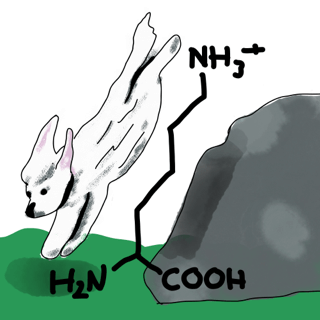
Protein Protein helps keep your dog’s muscles strong.
Protein helps keep your dog’s muscles strong. It also provides the amino acids necessary to build and repair proteins in their body. Many of these amino acids must be acquired through a dog’s diet.
Recipes contain animal-based proteins that provide the essential amino acids dogs need. Plus, we conduct special refining and quality assurance tests to ensure we only use high-quality, highly digestible protein sources for increased digestibility.
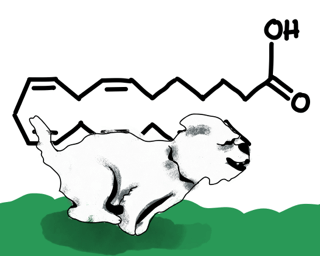
Fat gives your dog energy and helps nourish their skin and coat.
Fat provides energy. Your dog needs two types of fatty acids: omega-6 andomega-3 fatty acids. Omega-6 fatty acids are found in chicken fat and corn.Omega-3 fatty acids are found in ingredients such as canola, fish meal or oil, andflax. Both types help nourish and support your dog’s skin and coat.
Fiber and prebiotics help support your dog’s digestion.
IAMS™ dog food recipes feature a tailored blend of natural fiber from ingredients like beet pulp, as well as prebiotics to help support your dog’s digestion. Research has shown that moderately fermentable fiber, such as beet pulp, enhances intestinal health.
Feeding your dog a balanced diet that contains the right amounts of protein, fats and fiber is one of the most important ways you can care for and nourish them. To see the di!erence a healthy diet can make in your dog, feed them an IAMS recipe that’s tailored to their unique dietary needs, such as their size, age and breed. Are you ready to See the Wow?