IAMS IN
How Fat Affects Your Dog’s Performance
How Fat Affects Your Dog’s Performance-mobile

adp_description_block269
How Fat Affects Your Dog’s Performance

Diet and Performance

  • Share

Diet plays an important role in the endurance potential of canine athletes. The Alaskan sled dog might be considered the ultimate canine athlete, sometimes pulling a sled more than 1,000 miles in subzero temperatures. Providing a well-balanced diet is essential to meet the special needs of dogs in such nutritional-stress situations. Not only should the diet fed to these dogs be high in protein, but it also should be high in fat, which serves as the major energy source for exercising muscles.


High Nutrient Demands

Dietary Effects on Performance
 

A high-fat diet can help muscles burn fat more efficiently. During sustained exercise, fatty-acid oxidation is the primary source of energy for the muscles. Increasing the efficiency of fat metabolism spares the body’s use of carbohydrates, and because most dogs have in excess of 10 to 50 times more energy stored in fat than in muscle glycogen (carbohydrate), this might boost the animal's exercise performance.

IAMS™ studies1 have shown that in trained sled dogs as in ordinary dogs, exercise performance was enhanced by switching from a low-fat to a high-fat diet (from 25 to 65% of calories from fat), as indicated by increased:

  • Mitochondrial volume—Increasing the volume of the muscle cell's 'power houses' increased the capacity for fatty-acid oxidation.
  • Aerobic capacity—Muscles were better equipped to utilize fatty acids for fuel because of increased ability to utilize oxygen.
  • Fatty-acid oxidation—By increasing fatty-acid utilization during exercise, more energy was released for the muscles to use.

When dogs were switched back to a low-fat diet, all of these criteria decreased to their previous values.

These results indicated that by increasing the availability of fat stores and capacity to metabolize fat for energy, a high-fat diet promotes exercise endurance in canine athletes.

1 Reynolds AJ, et al. “The effect of diet on sled dog performance, oxidative capacity, skeletal muscle microstructure, and muscle glycogen metabolism.” Recent Advances in Canine and Feline Nutritional Research: Proceedings of the 1996 IAMS International Nutrition Symposium. Carey DP, Norton SA, Bolser SM, eds. Wilmington, OH. 1996. 181–198.

  • How to Help Your Overweight Dog
    How to Help Your Overweight Dog mobile
    adp_description_block145
    How to Help Your Overweight Dog

    • Share

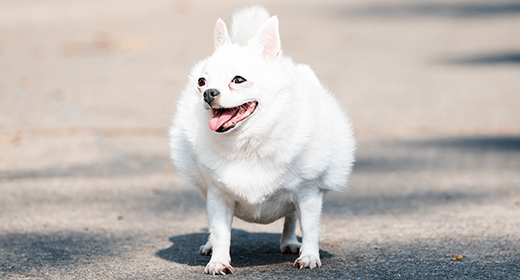
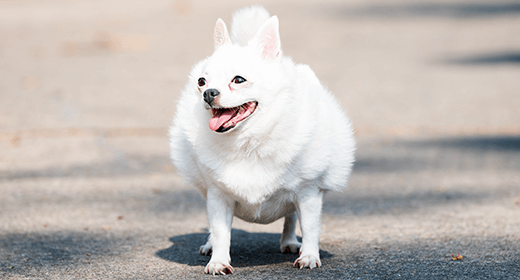
    Obesity is a common problem in dogs, but you can help your pet lose weight. Identifying the causes and following a total weight-management program can result in controlled weight loss and maintenance. A total weight-management program includes evaluating the animal, educating the pet owner, modifying behaviors, and tailoring the program to individual situations.


    Definition and Causes of, and Contributing Factors to, Obesity in Dogs

    Obesity is defined as an increase in body weight, beyond the limitation of skeletal and physical requirements, resulting from an accumulation of excess body fat.
     

    Obesity is caused when caloric intake exceeds caloric expenditure. This simply means that a dog eats more energy (calories) than it uses and stores the excess energy as fat.
     

    There are many factors that can contribute to obesity:

    • Overfeeding
    • Inactivity
    • Breed
    • Age and gender
    • Spay/neuter status
    • Diabetes mellitus
    • Hyperadrenocorticism
    • Hypothyroidism
    • Owner's weight


    Fat, Fiber, and Fatty Acids in Your Dog’s Weight-Loss Program

    Fat

    • Dogs use fat as their primary energy source.
    • A diet that replaces some fat with highly digestible carbohydrates offers a good low-calorie alternative. Digestible carbohydrates contain fewer than one half of the calories of equal quantities of fat and do not have the disadvantages of indigestible fiber.


    Fiber and Fatty Acids

    • A normal fiber level, provided in a moderately fermentable fiber source, helps create and maintain a healthy gut. This is especially important to the dog on a weight-reduction regimen.
    • Some weight-loss products for dogs dilute calories with high levels of fiber. High-fiber foods might reduce the digestibility and absorption of many nutrients, including fat. These foods reduce weight by providing what could be considered poor-quality nutrition. These high-fiber diets also might result in large, frequent stools, and decreased skin and coat condition.
    • Diets that provide an adjusted fatty-acid profile maintain the pet's healthy skin and coat, despite lowered fat levels.


    Carbohydrates and Special Ingredients in Your Dog’s Weight-Loss Program

    Carbohydrates and Special Ingredients

    • Feeding a diet that contains the carbohydrates corn, sorghum, and/or barley can result in lower blood sugar and insulin levels as compared to feeding a diet that contains rice as the primary carbohydrate source. Lower blood sugar and insulin levels also can help with maintaining a proper weight.


    In addition, a diet that contains L-carnitine can help dogs metabolize fat. L-carnitine is a vitamin-like compound that helps burn fat.


    Weight Loss for Your Dog Should Be Gradual

    • The goal of a good weight-loss-management program should be gradual weight loss. This is especially important in cats, because severe nutrient restriction can result in hepatic lipidosis (abnormal fat accumulation in the liver).
    • Dogs should lose 1 to 2% of their initial weight per week.
    • A good way to begin a weight-loss program is to reduce caloric intake by transitioning to a weight-control or reduced-fat formula. Dogs and cats that do not respond quickly should see their veterinarian for a special weight-loss program.


    A total weight-management program can lead to successful weight reduction in the obese dog. Complete evaluation by the veterinarian is always recommended, and owner compliance is essential to success.
     

    IAMS™ and professional veterinary products provide optimum nutrition for animals that can benefit from a weight-management program.

Close modal