Enter a keyword below to search for articles and products.
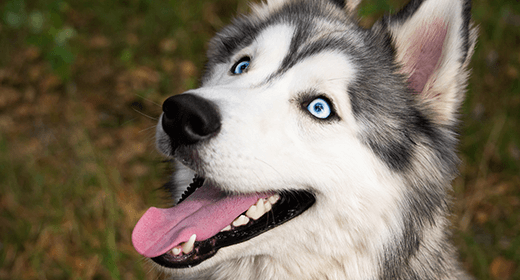
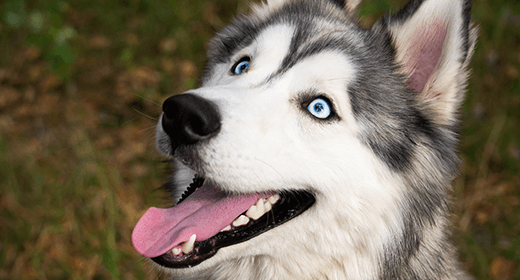
Teeth are important players in the digestive process.
As teeth grind up food, debris accumulates on the tooth surface and attracts bacteria. This accumulation of debris and bacteria is called plaque. Plaque is easily removed from teeth by brushing—that is, when teeth are brushed frequently.
If the plaque isn't brushed away, mineral deposits cause it to harden on the teeth. This is called tartar. Dark yellow or brown accumulations on the teeth are indicators of tartar, which is difficult to remove.
If left untreated, plaque can lead to damage of the gums (gingivitis) or the jawbones and teeth (periodontitis).
Keeping a pet’s teeth and gums healthy involves regular brushing and professional cleaning. Unfortunately, many owners have problems brushing their dogs’ teeth on a regular basis.
Special diets also can help reduce tartar buildup between cleanings. Most dental diets are formulated with a tough kibble that is texturized to scrape off some plaque.
Our dental technology uses a patent-pending manufacturing process that enables dry-food kibbles to control tartar buildup. This process does not affect the nutrient content of the food or the size of the kibbles.
IAMS™ researchers have looked at the effects of feeding dogs dry diets with our dental technology. In each of these studies, two groups of animals were fed our formula, either with (control) or without our dental technology.
All animals had their teeth thoroughly cleaned.
After 28 days of eating one diet, animals’ teeth were examined for tartar.
All animals then received another thorough cleaning.
Then diets were switched for another feeding period.
In dogs, the diets featuring our dental technology reduced tartar accumulation as much as 50% compared to dogs fed the control diet.'
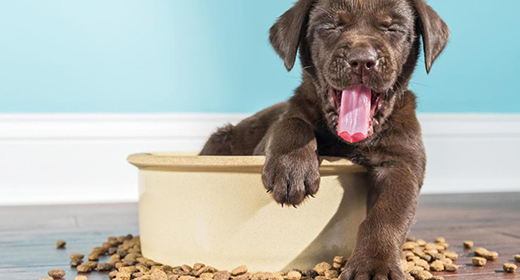
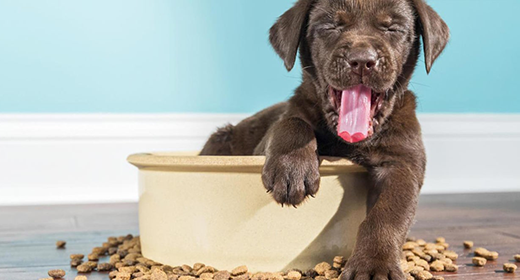
How much do you know about the food you’re buying for your puppy? When shopping for puppy food, pay attention to these three sections of a dog food label.
This section lists all the ingredients that make up the product. The ingredients are listed in descending order according to weight before cooking. In dry food, look for a source of high-quality animal-based protein: chicken or lamb, for example. Dogs thrive on animal proteins.
Manufacturers who use large amounts of vegetable proteins might be saving money by providing basic — but not optimal — nutrition. You should also avoid artificial colors and flavors, which offer no nutritional benefits.
Near the ingredient panel should be a chart of percentages called the 'guaranteed analysis.' These figures reveal the basic nutrient makeup of the dog food's formula and protein content. The minimum percentages of protein and fat and the maximum percentages of fiber and moisture (water) should be listed.
This information must be included on the label by law. A toll-free number or web address for the manufacturer may also be listed. Manufacturers who list a phone number, such as IAMS™, generally have a high-quality product and welcome consumer calls and questions. If you would like information about IAMS products, visit our website or call us toll-free at 800-525-4267.