Enter a keyword below to search for articles and products.
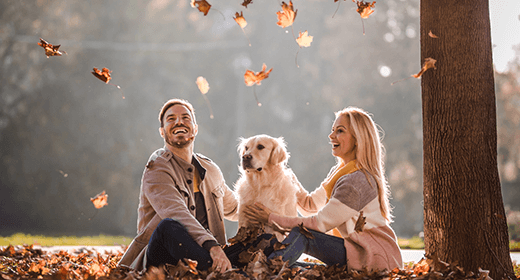
Here's what you need to know about your dog’s health as he matures from 1 to 8 years:
Your dog is growing up. Louise Murray, DVM, director of the ASPCA's Bergh Memorial Animal Hospital in New York City and author of Vet Confidential (Ballantine, 2008), gives advice on how to keep your dog in tip-top shape.
Adult Dog Health: Preventive Health. Even if your dog appears fit, see your veterinarian once a year for a checkup. 'Most health problems are more readily and less expensively addressed if you catch them early,' Murray says. What's more, your vet can detect problems that you might miss. You can also stay up to date on vaccination boosters.
Adult Dog Health: Flea, Tick, and Heartworm Medicines. Continue to use preventive medicines. Talk to your veterinarian if you've moved or if your lifestyle has changed to make sure you are using the products best suited for your dog.
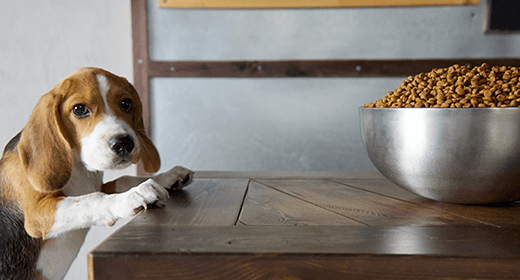
Adult Dog Health: Diet. Your pet needs the right food for optimal health. Check with your vet about adjusting the type and amount of food that your dog eats.
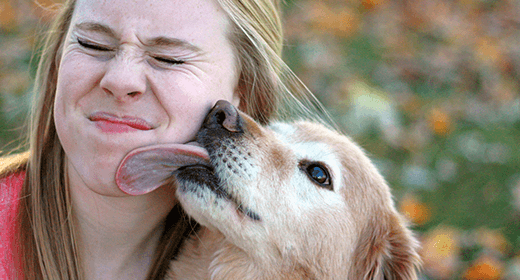
Adult Dog Health: Dental Health. If you haven't done so already, get in the habit of cleaning your dog's teeth daily. 'Animals who get gingivitis or inflammation of the gums can end up with problems of the kidneys and the heart,' Murray explains. Get your dog accustomed to having your fingers and hands around her mouth. At the pet store, you'll find dog toothbrushes and finger brushes as well as dog toothpaste.
Adult Dog Health: Weight Gain/Loss. When your dog steps on the scale at her annual visit, weight gain (rather than loss) is more likely to be the problem. Meals usually are not the culprit. It's the things, such as biscuits and human food, she gets in between. 'It all adds up,' Murray says. As your pet gets older, she becomes less active, which can contribute to weight gain and a host of other problems (diabetes, arthritis, and breathing trouble, for instance). But there's another reason to keep an eye on the scale: Weight loss might signal an underlying health problem.
As your dog reaches his mature years, remember these tips:
As Dr. Michael Hayek, an IAMS™ research nutritionist who specializes in geriatric nutrition, points out, there's still much to learn about canine geriatric nutrition. For now, realize that every animal ages at a different rate and in different ways. Monitor your dog and especially watch for changes at around 7 years of age (5 years for large breeds). If necessary, adjust his diet accordingly. With the help of your veterinarian and responsible pet food manufacturers, your mature pal can live to a comfortable, healthy old age.