Enter a keyword below to search for articles and products.
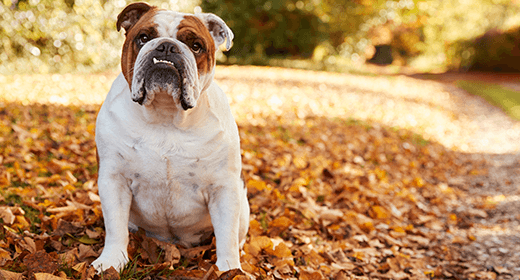
Bloat is a life-threatening condition that acts rapidly and can lead to death within hours if not recognized and treated immediately. Unfortunately, the cause of bloat remains unknown at this time.
The scientific term for bloat is gastric dilatation-volvulus or GDV. Bloat is characterized by rapid and abnormal expansion of the stomach with gas (dilatation). This can be followed by rotation of the stomach (volvulus). This rotation closes both the entry to and exit from the stomach. The blood vessels also are closed down, and blood flow is restricted.
What follows is an increase in pressure inside the stomach and compression of the surrounding organs. Eventually, shock will occur as a result of the restricted blood flow. Here are a few key facts about bloat:
Bloat is a true medical emergency, and early identification and treatment is critical to survival.
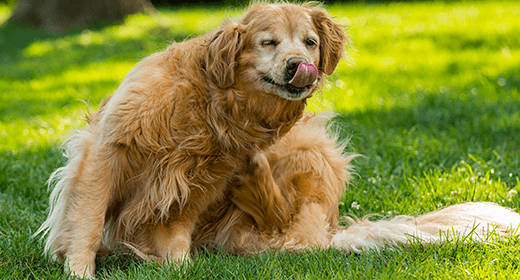
In the early stages of bloat, the dog will be very uncomfortable. You might see him pacing and whining or trying unsuccessfully to get into a comfortable position. He might seem anxious, might lick or keep staring at his stomach, and might attempt to vomit, without success.
Other indications of bloat can include weakness, swelling of the abdomen, and even signs of shock. Signs of shock are increased heart rate and abnormally rapid breathing.
If you notice these signs, call your veterinarian immediately!
These suggestions could help you prevent bloat in your dog. However, they are based on suspected risk factors and are not guaranteed to prevent the onset of bloat.
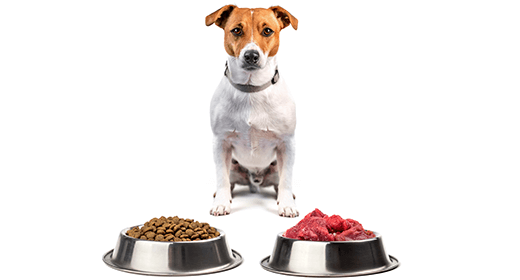
Another way you might help prevent bloat is to feed a high-quality, highly digestible food with normal fiber levels.
Feeding management offers the best method available for reducing risk until the exact cause of bloat can be identified. Although not 100% effective, these measures can reduce the number of dogs that face this serious, life-threatening condition.
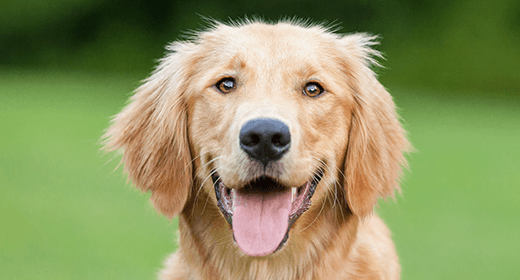
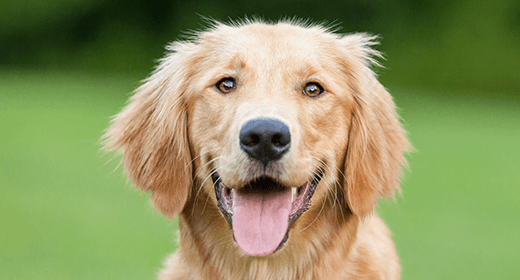
Golden Retrievers are energetic and full of stamina, so daily exercise is a must. Adult Goldens need at least an hour’s exercise every day. Like the pug, this breed is highly prone to obesity, so they will quickly put on weight without proper physical activity like running, swimming (they just love water), and playing fetch.
Caring for Golden Retrievers is a moderate issue. Golden Retrievers have two shedding seasons (spring, autumn) in a year where they shed pretty heavily. Otherwise shedding is not a major challenge. You need to brush your Golden 3-4 times per week and bathe them once a month.
Because they tend to gain weight quickly, we recommend that you monitor their caloric intake daily. This is why Goldens need complete and balanced meals that are tailor-made to meet their unique needs. We recommend giving them premium Golden Retriever food like IAMS™ Proactive Health™Adult Golden Retriever that contains L-Carnitine to support healthy weight management, Glucosamine and Chondroitin to support healthy joints, and Omega 6 and 3 fatty acids to support skin and coat health. It is best to split their daily allowance into two meals.
Recommended Golden Retrievers food intake-
| SIZE OF GOLDEN RETRIEVER | RECOMMENDED DAILY FEEDING (G) |
|---|---|
| 20-30 kg | 255-345 |
| 30-40 kg | 345-430 |
| 40-50 kg | 430-505 |
| 50-60 kg | 505-580 |
Golden Retrievers are prone to moderate levels of health issues. Common ones include cancer and blood disorders, hip and elbow dysplasia, dislocated kneecaps, skin conditions, hypothyroidism, cataracts, and ear infections.
An ideal world for a Golden Retriever is to live in a home with a medium or large-sized yard. While they do well in apartments, they need a great deal of outdoor exercise to stay fit. So if you can manage that, Golden Retrievers can do well as indoor and outdoor pets.
So, is caring for a Golden Retriever the right choice for you? Goldens are high-energy pets and are one of the friendliest breeds out there. Their friendly nature and comfort around little kids make them an ideal choice for many first-time owners.