Enter a keyword below to search for articles and products.
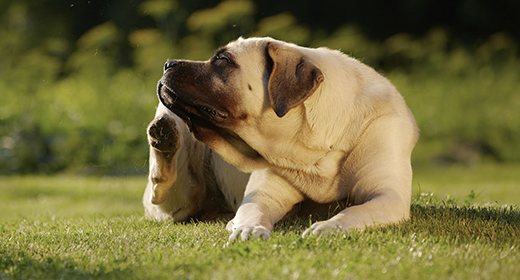
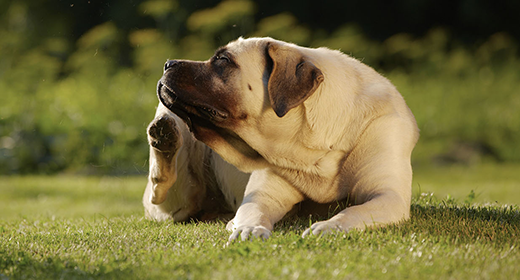
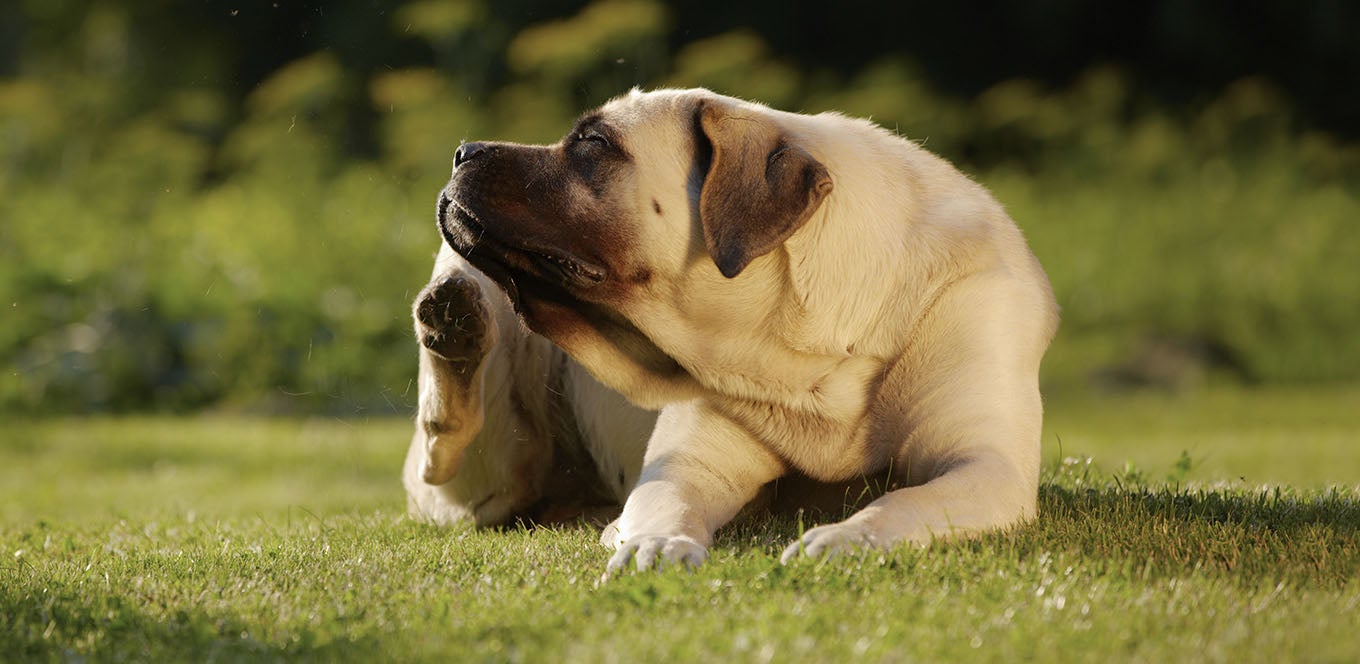
The human animal isn’t the only one affected by allergies. Like you, your adult dog can suffer from allergic reactions to any number of things—in the air, on his skin, and in his food. Allergies must be diagnosed and treated by your veterinarian, but first, you must know what to look for.
The most common signs and symptoms of allergies include:
The most common allergy symptoms in dogs are the skin reactions, regardless of the cause. And they can they can crop up at any age. Just because he didn’t have allergies as a puppy, doesn’t mean your dog won’t have them now that he’s an adult. Inhalant, food, contact, and flea allergies are four of the most common types of allergies that might affect your dog.
Inhalant allergies in dogs are caused by the same common allergens that affect you—dust, grass, trees, mold, pollen, ragweed, etc. They can be seasonal or persistent and, while some breeds (especially short-snouted breeds) might experience the same sniffly, sneezy symptoms you might suffer, skin reactions are most common. Inhalant allergies often can be treated with the same medications you take, but please don’t treat your dog’s allergies without veterinary supervision.
Food allergies can be the most difficult to diagnose and manage. Treatment involves a hit-and-miss approach involving a restricted diet and the gradual reintroduction of possible allergens to determine the culprit. Skin reactions to food allergies are common in dogs, but frequent vomiting or diarrhea also can be a sign. Keep in mind that if there is a change in your dog’s diet (or he just ate something he wasn’t supposed to), he might experience an episode of vomiting or diarrhea, but this doesn’t necessarily mean your dog has an allergy. Watch and see if it becomes a persistent problem before scheduling a costly trip to the vet.
Contact and flea allergies generally cause skin irritation and are treated topically. You might be surprised to learn that most dogs are only vaguely bothered by fleas. But those that are allergic can suffer—and so can their owners. Dogs with contact and flea allergies often chew their skin raw, leading to hair loss, odor, and infection, so fastidious flea control is a must.
Allergies can vary from dog to dog, so it is important that you work with your vet to make sure your dog gets the best possible treatment. You’ll both be happier for it.
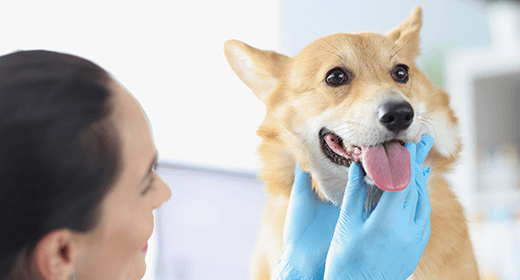
Oral care is a key component of your pet’s overall health: A smart regimen can help prevent the development of serious conditions. Keeping your pet’s teeth clean and bacteria-free results in more than just healthy teeth and fresh breath. With a little know-how and effort, you can protect your pet for a lifetime of companionship.
Tartar and gingivitis are the most common problems seen by veterinarians. The majority of dogs will develop these problems. Unchecked, these can lead to periodontitis and serious health concerns for your pet, up to and including, tooth loss and serious illness. But you can take action to control this and promote good oral health by incorporating the 3Ds: Daily Brushing, Dentistry. and Diet.
Daily brushing of your pet’s teeth will remove plaque and slow the development of tartar. When first beginning to brush, be gradual and make it a pleasant experience. Start by using your finger. Later, introduce a toothbrush. Be sure to praise and reassure your pet while brushing. Also, reward your pet afterward with play or a walk.
Talk with your veterinarian about annual or semiannual teeth cleaning—a dental prophylaxis or prophy for short. Teeth cleaning, performed by your veterinarian, is the only way to remove tartar.
Diet is important to good oral health. The mechanical, brushing action of dry, crunchy kibbles helps remove plaque and works to scrub teeth clean. Some diets also might include ingredients such as hexametaphosphate (HMP) that can help block tartar formation. Diet, daily brushing, and dentistry helps break the plaque-to- tartar cycle and optimize oral health.