Enter a keyword below to search for articles and products.
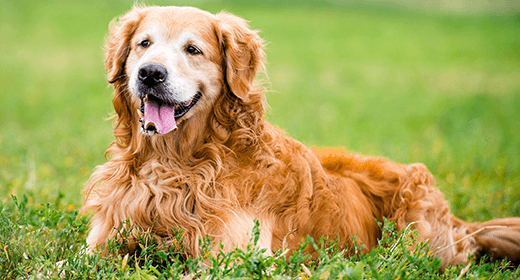
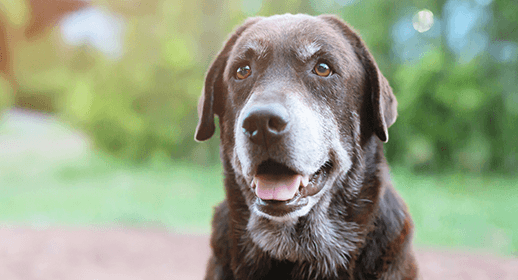
Physiological condition, rather than chronological age, determines whether a dog is mature. Aging begins when the body's systems start to slow down, when cells deteriorate faster than the body can repair them. Though large breeds tend to age faster than smaller breeds, the mature years generally begin at around 7 years (5 years for large breeds). If you feed your dog a diet designed to address the nutritional needs of his age, you can best maintain his overall health and well-being.
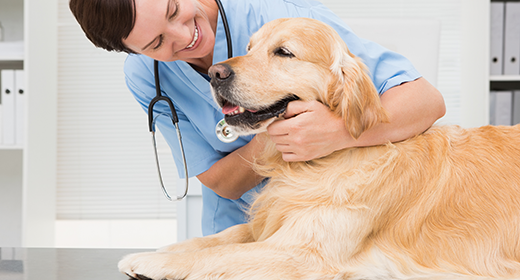
As your dog ages, it is important to detect and address with his veterinarian the telltale signs of aging or disease: a dull, dry coat and flaky skin, joint stiffness, energy loss, weight gain, increased water intake, digestive problems, and frequent constipation. These signs, among others, may be caused either by normal wear-and-tear or perhaps by the onset of disease. In any case, detecting and addressing them early may give your dog a greater chance to stay active and healthy.
When and how your dog responds to the aging process has a lot to do with genetics and environment, but nutrition plays an equally important role. The quality of food and its ability to maintain and nourish your dog's cells can help promote a long, healthy life.
As your dog ages and his systems become less efficient, he relies increasingly on the food you provide to make up for his body's shortfalls. According to Michael Hayek, PhD, an IAMS research nutritionist who specializes in geriatric nutrition, 'Aging dogs need the same nutrients as younger dogs; however, the quantity or the way the nutrients are provided may change.'
Pregnancy and nursing are not only responsible for many changes in a dog's body, but for changes in her lifestyle as well. If your dog is pregnant or nursing, pay special attention to her changing nutritional needs as she carries, delivers and nurses her puppies.
If you're planning to breed your female dog, it’s important to assess her body condition well in advance of breeding. Because of the physical demands of pregnancy and nursing, a dog with less-than-ideal health can experience problems:
Be sure to feed the proper amounts of a complete and balanced diet. This will support the mother's healthy weight and body condition before breeding and help maintain her health and that of her babies throughout pregnancy and lactation.
The gestation period for dogs is nine weeks. Pregnant dogs gain weight only slightly until about the sixth week, and then gain weight rapidly.
The energy requirements of pregnant dogs are reflected in the pattern of weight gain. Pregnant dogs will need to consume 25% to 50% more than their normal food intake by the end of pregnancy, but energy requirements do not increase until about the sixth week.
The best diet for pregnant and nursing dogs is a high-quality, nutrient-dense pet food formulated for all life stages or for growth. Although puppy diets are generally recommended for pregnant or nursing dogs, large-breed puppy formulas may not be appropriate for this use due to their adjusted energy and mineral content.
Pregnant dogs lose weight after giving birth, but their nutritional needs increase dramatically. Depending on litter size, nursing dogs might need two to three times their normal food requirement to nourish their pups. Be sure your nursing mom has plenty of water so she can generate the milk volume she needs to feed the litter.
To help your nursing dog get enough nutrition, you can try several tactics:
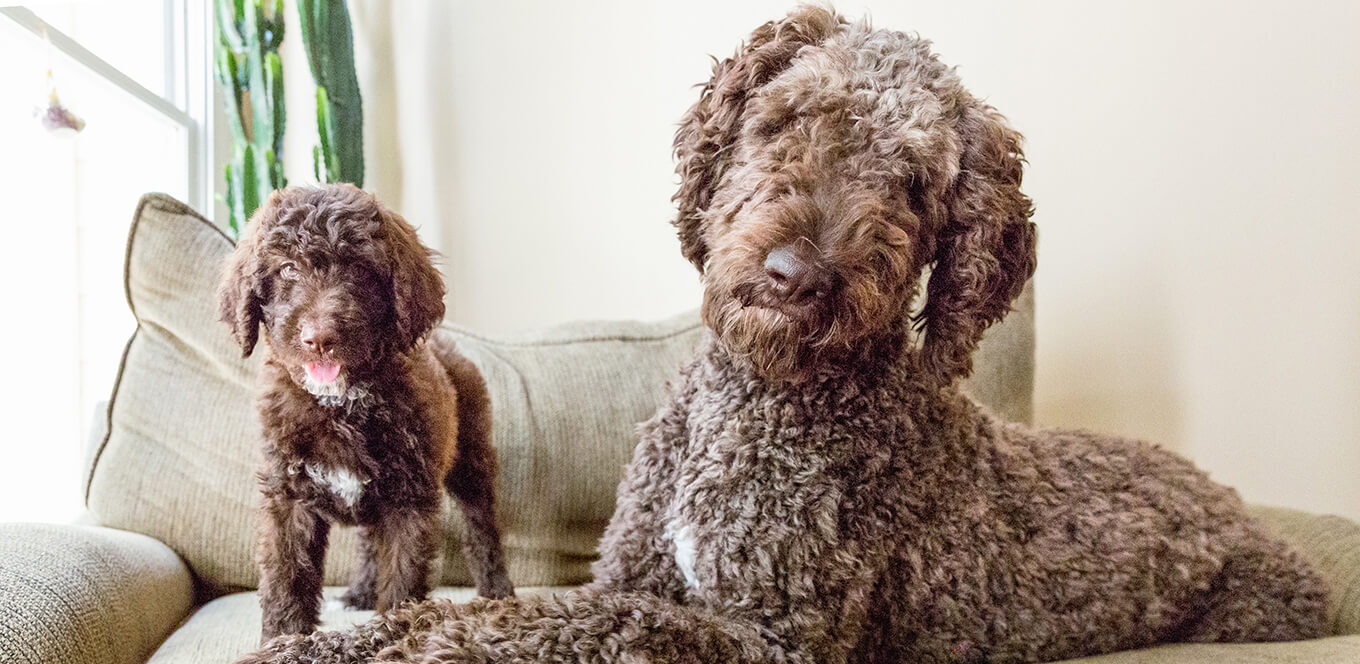
By four to five weeks after birth, most puppies are showing an interest in their mother’s food. Gradually, the puppies will begin eating more solid food and nursing less. At the same time, the nursing mother will usually begin eating less. Most puppies are completely weaned around age 7 to 8 weeks. By this time, the mother's energy requirement is back to normal, and she should be eating her normal pre-pregnancy diet.