Enter a keyword below to search for articles and products.
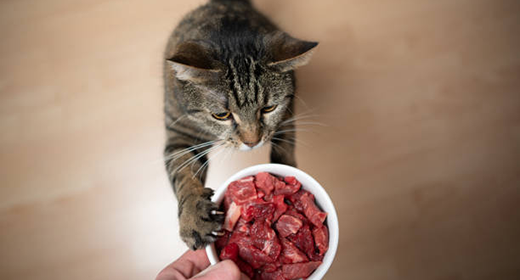
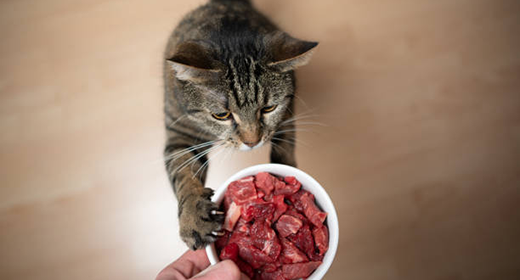
Every kitten food has protein, but here are some important facts about the different types of protein to help you choose the right food for your kitten. It is important to remember that the source of protein is vitally important to kittens because one of the principle nutritional philosophies is that kittens are best fed as carnivores.
Some pertinent facts when listening to the claims and advertising of various manufacturers:
1. Recommended kitten food protein levels are established by nutrition experts from around the world and published as NRCs (Nutrient Reference Charts). These protein requirement levels are determined by meeting the animal’s need for essential amino acids, the building blocks of protein; and by monitoring/calculating the nitrogen balance (a comparison between the intake of nitrogen in the diet and the losses through urine, feces, and evaporation from the skin and mouth). Nitrogen balance has been the recognized method of determining protein requirements for many decades. Variations in levels from what has been established for many years should be validated by convincing research. If the change in level isn’t backed by supporting evidence of a tangible benefit, then there may be hazards. Studies in several species have found a link between diets with high protein levels (greater than 40% protein), bone loss, and urinary tract stones.
2. Protein from plant sources may elevate the amount of protein, but may not be as beneficial as animal-based sources of protein in kitten food because of lower digestibility, effects on muscle-to-fat body composition ratio, and the range of amino acids they provide.
3. There are only three sources of energy in any kitten food diet–fat, protein, and carbohydrate (starch). If the amount of one element is raised, the amount of one or two of the others must be lowered to maintain a proper energy level in the food for your kitten’s life stage and lifestyle. A balance of nutrients is important to your kitten because each of the nutrient groups supplies something very specific for the kitten’s body. Excess protein above your kitten’s actual needs cannot be stored for future use and will be converted into fat.


Cat food labels provide limited information regarding the nutritional value of the package contents. It is important for customers to know what can and cannot be determined from the label, and what information is particularly important. Major components of a pet food label include:
Values in the guaranteed analysis are expressed as either minimum or maximum. A maximum guarantee (% max) means at most this specific amount of the nutrient is included in the formula. A minimum guarantee (% min) means at least this specific amount of the nutrient is included in the formula. The following four nutrients must be included on all pet food labels:
For example, a cat food with a 25% minimum crude protein guarantee should contain at least 25% protein, but could contain much more. The only way to determine the actual amount is by laboratory analysis.
Other information may be guaranteed on cat food products, such as magnesium (% max), taurine (% min), ash (% max), and linoleic acid (% min).
Ingredients must be listed in order of abundance (largest quantity listed first).
AAFCO nutritional adequacy statements are required on all pet foods. Products may either be formulated or tested according to AAFCO procedures and recommendations.
Veterinary-exclusive products include statements such as, 'This product is intended for intermittent feeding only' and 'Use only as directed by your veterinarian.'
Manufacturing codes allow the company to track products for quality and inventory issues. In order to quickly and efficiently handle a customer inquiry, the company's customer service department will usually ask the customer for this code.
Expiration or 'Best Used By' dates are optional, but are helpful in determining product freshness and shelf life.
The manufacturer's information should include the company name, address, and phone number so customers can quickly and easily obtain product information.
A toll-free telephone number should be provided as a convenience to the customer and to ensure that a charge is not incurred when calling for information.