Enter a keyword below to search for articles and products.
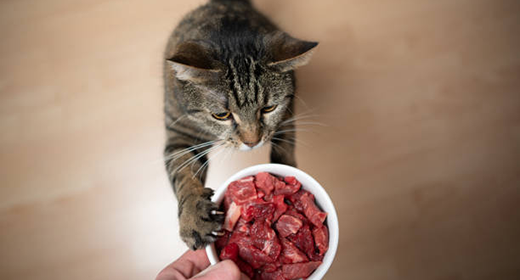
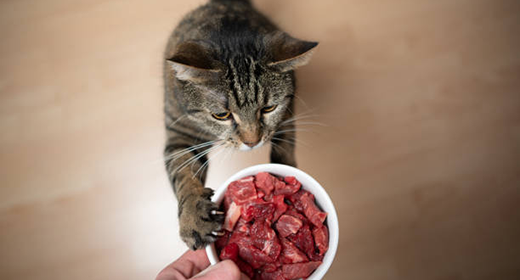
Every kitten food has protein, but here are some important facts about the different types of protein to help you choose the right food for your kitten. It is important to remember that the source of protein is vitally important to kittens because one of the principle nutritional philosophies is that kittens are best fed as carnivores.
Some pertinent facts when listening to the claims and advertising of various manufacturers:
1. Recommended kitten food protein levels are established by nutrition experts from around the world and published as NRCs (Nutrient Reference Charts). These protein requirement levels are determined by meeting the animal’s need for essential amino acids, the building blocks of protein; and by monitoring/calculating the nitrogen balance (a comparison between the intake of nitrogen in the diet and the losses through urine, feces, and evaporation from the skin and mouth). Nitrogen balance has been the recognized method of determining protein requirements for many decades. Variations in levels from what has been established for many years should be validated by convincing research. If the change in level isn’t backed by supporting evidence of a tangible benefit, then there may be hazards. Studies in several species have found a link between diets with high protein levels (greater than 40% protein), bone loss, and urinary tract stones.
2. Protein from plant sources may elevate the amount of protein, but may not be as beneficial as animal-based sources of protein in kitten food because of lower digestibility, effects on muscle-to-fat body composition ratio, and the range of amino acids they provide.
3. There are only three sources of energy in any kitten food diet–fat, protein, and carbohydrate (starch). If the amount of one element is raised, the amount of one or two of the others must be lowered to maintain a proper energy level in the food for your kitten’s life stage and lifestyle. A balance of nutrients is important to your kitten because each of the nutrient groups supplies something very specific for the kitten’s body. Excess protein above your kitten’s actual needs cannot be stored for future use and will be converted into fat.
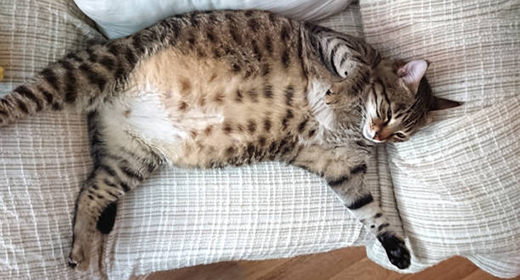
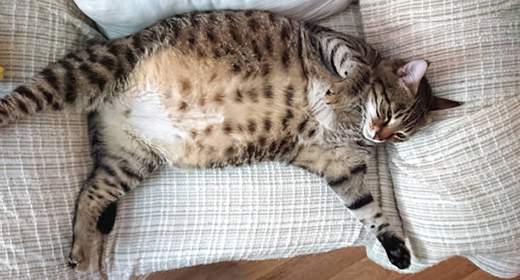
Pregnancy and nursing are responsible for many changes in a cat's lifestyle, as well as in her body. You should pay special attention to your cat’s changing nutritional needs throughout the entire reproduction process.
If you are planning to breed your female cat, it is important to assess her body condition well in advance. Because of the physical demands of pregnancy and nursing, starting off with less-than-ideal health can cause problems.
An underweight cat often can't consume enough food to support her and the developing kittens. Overweight cats may experience abnormal or difficult labor because of large fetuses.
A complete and balanced diet that supports a healthy weight and body condition before breeding helps the female cat maintain her health, and that of her offspring, throughout pregnancy and nursing.
The gestation period for cats is nine weeks. Pregnant cats, like humans, gain weight gradually throughout pregnancy. The energy requirements of pregnant cats are reflected by their weight gain. The energy needs of a pregnant cat should gradually increase so that, by the end of pregnancy, the cat is consuming 25% to 50% more than her normal amount of calories.
Pregnant cats lose weight after giving birth. However, their nutritional needs increase dramatically. Energy needs can be two to three times normal, depending on litter size, in order to produce the milk supply that will support the offspring. Water intake is also important for milk volume.
To ensure a nursing cat is getting enough nutrition, give her a nutrient-dense diet, such as kitten food. Without increasing the amount of food at each meal, increase the number of meals in the day. Free-choice feed her, offering unlimited access to dry food.
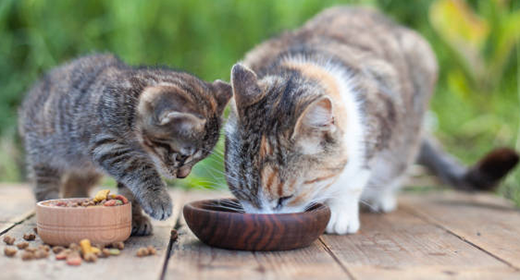
By 5 weeks, most kittens show an interest in their mother's food. Gradually, the kittens will begin eating solid food and nursing less. At the same time, the nursing cat will usually start eating less. Most kittens are completely weaned by eight weeks after birth. By this time, the mother's energy requirement is back to normal and she should be eating her usual pre-pregnancy diet.