IAMS IN
cat-article-your-cat-overweight-underweight-or-just-right
cat-article-your-cat-overweight-underweight-or-just-right-mob

adp_description_block128
Is Your Cat Overweight, Underweight or Just Right?

  • Share

This article is part of a series on how to spot signs of a healthy cat. You can learn more about the key signs here.


Assessing your cat’s body condition is an important step in evaluating their overall nutritional well-being. Particularly in cases where your cat appears to be obese or thin, it is important to evaluate their total health before consulting a vet for a proper nutritional management program. Look for the following signs that your cat is overweight, underweight or just the right size.


thin cat i

underweight cat i

ideal weight cat i

overweight cat i

obese cat i


Thin Cat

  • Ribs, lumbar vertebrae and pelvic bones are easily visible
  • Thick neck and narrow waist
  • Obvious abdominal tuck
  • No fat in flank folds; folds are often absent

 Underweight Cat

  • Backbone and ribs can be easily seen or felt
  • Minimal fat covering
  • Minimal waist when viewed from above
  • Slightly tucked abdomen

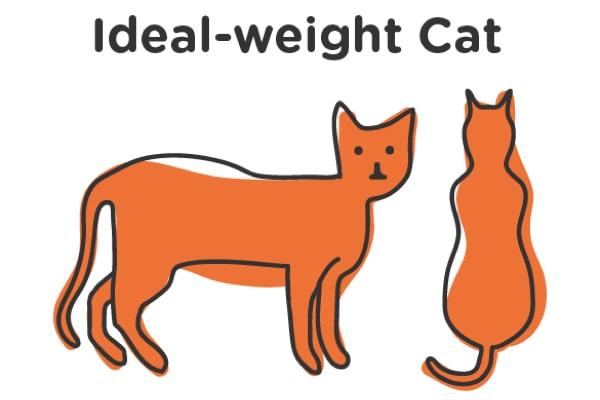
Ideal-weight Cat

  • Ribs are easily felt, but not visible
  • A slight waist can be seen behind the ribs when viewed from above
  • Abdomen is tucked up and flank folds are present

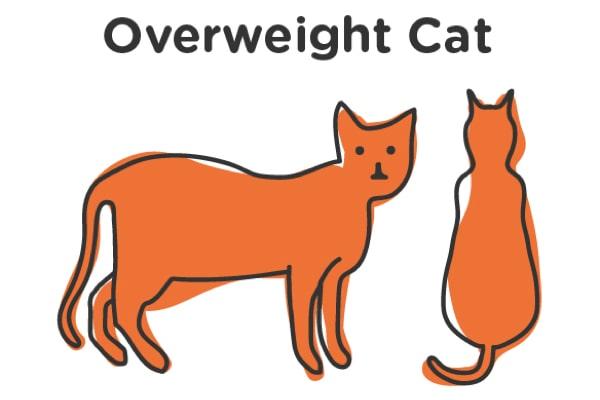
 Overweight Cat

  • Slight increase in fat over ribs, but still easily felt
  • Abdomen is slightly rounded and flanks are concave
  • Flank folds hang down with moderate amount of fat — you might notice a jiggle when your cat is walking

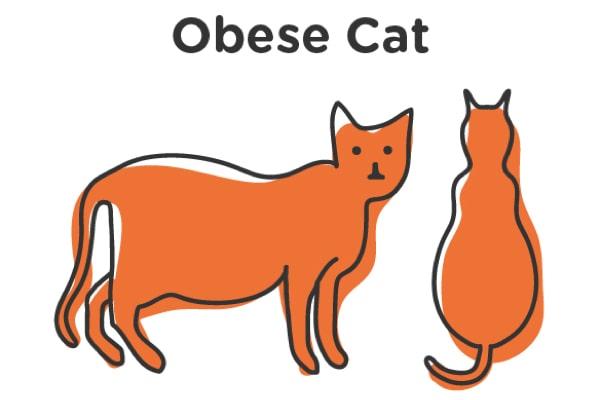
 Obese Cat

  • Ribs and backbone aren’t easily felt under a heavy fat covering
  • Abdomen is rounded; waist is barely visible or absent
  • Prominent flank folds sway from side to side when your cat is walking

  • Kitten Basics: Do Kittens Get Hairballs?
    Kitten Basics: Do Kittens Get Hairballs?-mob
    adp_description_block321
    Kitten Basics: Do Kittens Get Hairballs?

    • Share


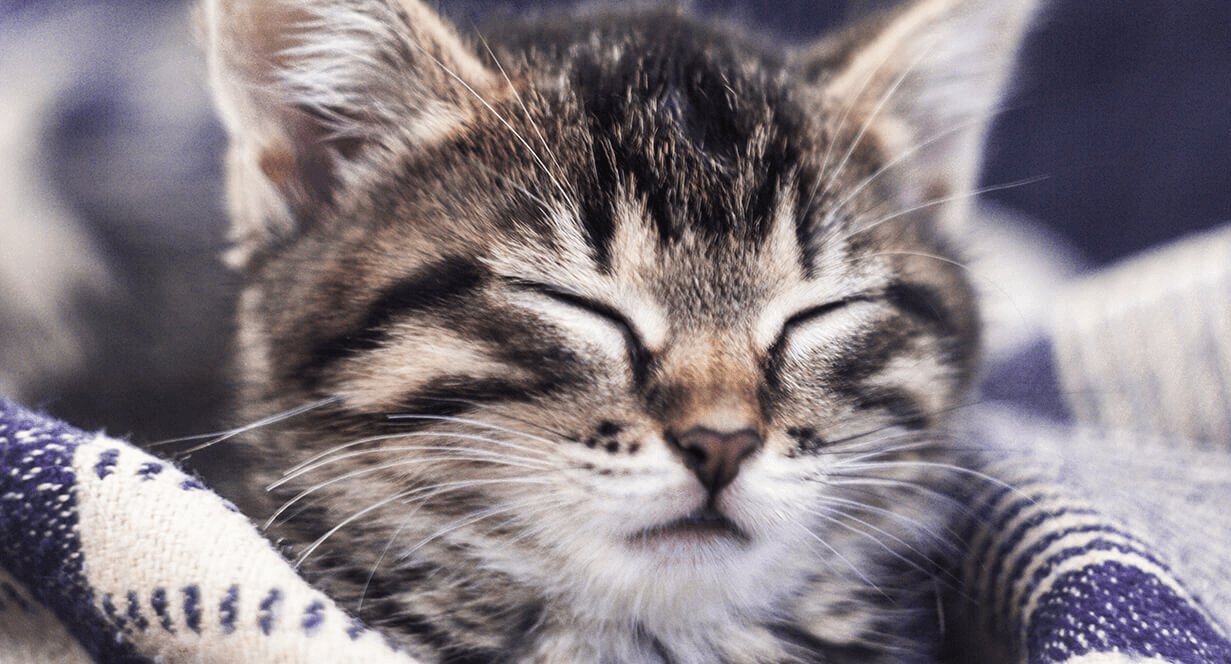
    Kittens can get hairballs, although it’s not as common as in adult cats. Kittens are adept learners, and as they grow up, their grooming habits will mature as well. This could lead to hairballs, especially if your kitten has longer hair.


    How Do Hairballs Form?

    Most cats spend a considerable amount of time grooming their coats. As they groom, they can swallow hair, which may build up over time in their stomach. If the hairball doesn’t pass from the stomach, the cat will attempt to eliminate it by coughing or gagging.


    Many cats will get a hairball at some point in life, but some kittens, such as long-haired breeds and cats that groom excessively, are especially prone to hairballs.


    How Can You Help Reduce Your Kitten’s Hairballs?

    You can help reduce the number of hairballs your kitten or cat experiences in a few ways:


    Change the Diet

    The right diet can help provide hairball relief to both kittens and cats. For instance, the beet pulp in IAMS™ dry kitten formulas helps move hair through the digestive tract.


    Ensure Skin and Coat Health

    Maintaining skin and coat health may reduce the risks of excessive shedding, ingestion of hair from grooming, and, consequently, hairball formation as your kitten grows into an adult cat. High-quality, animal-based protein and fat, found in the IAMS™ kitten formula, provide important nutrients for skin and coat health.


    Brush Frequently

    In cats and kittens that are prone to hairballs, frequent brushing can help reduce the amount of hair they ingest, thereby reducing the risk of hairball formation.


    adp_related_article_block460 200 YOUR --spice-- MAY ALSO LIKE …

Close modal