Enter a keyword below to search for articles and products.
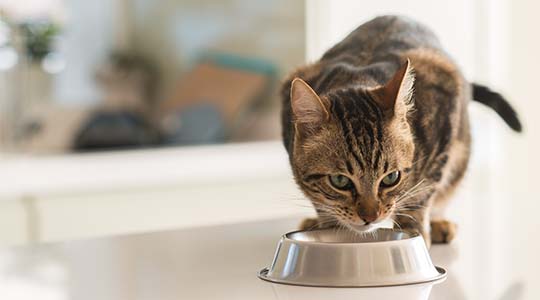
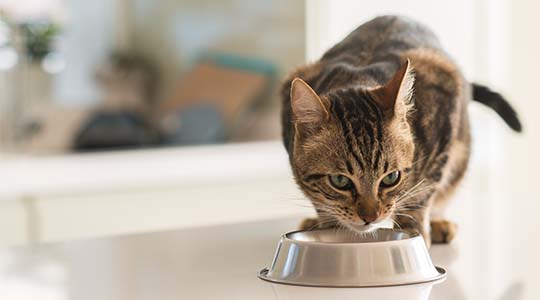
Why should cat food have sodium in it? Sodium content in cat food has an important nutritional and dietary function, just like it does in your food! But it’s important to understand just what it does and how much of it is healthy. That way you can make the best possible decisions about what to feed your cat.
Sodium is an essential mineral for life. Inside the body it is found in the blood and in the fluid that surrounds cells. Sodium itself helps ensure proper nerve and muscle cell functions, maintains a healthy cellular environment and prevents cells from swelling or dehydrating. The sodium levels in IAMS™ cat foods are balanced with other minerals, vitamins, fats, proteins and carbohydrates. That way you can be sure your cat is getting enough for their health.
Meat, poultry, fish and eggs are all good natural sources of sodium, and are the primary ingredients in all IAMS™ cat foods including IAMS™ PROACTIVE HEALTH™ Healthy Adult.
Sodium may also be included in commercial cat foods in the form of ordinary table salt. Salt is an important ingredient in making food more palatable for animals, as well as for people.
The Association of American Feed Control Officials recommends that dry cat foods contain at least a minimum of 0.2%1 sodium — 0.2% of dry matter your cat eats, or 0.5 grams per 1,000 kcal — for maintenance and to support normal growth and development. While higher sodium intake may cause increased thirst, water consumption and urination, excess sodium is passed in the urine.
A veterinarian may recommend changing your cat’s sodium intake to help decrease high blood pressure, eliminate excessive body fluid or as a precaution if kidney, liver or heart heath is a concern. You can keep track of your cat’s overall wellbeing at home if you regularly check their C.A.T.S. — Coat, Appetite, Temperament and Size — for any changes that might lead to questions for the vet.
Healthy cats of all ages don’t normally require a low- or reduced-sodium diet, so be sure to talk to your vet about any sodium concerns you may have before making a change.
Cats’ bodies work differently from our own, and learning to care for them is a process! What your cat eats impacts everything from their energy levels to their mood to the health of their skin and coat. By understanding what healthy cats and kittens need from their food, like sodium, antioxidants, fiber and more, you’re better able to give your cat a diet that helps them thrive.
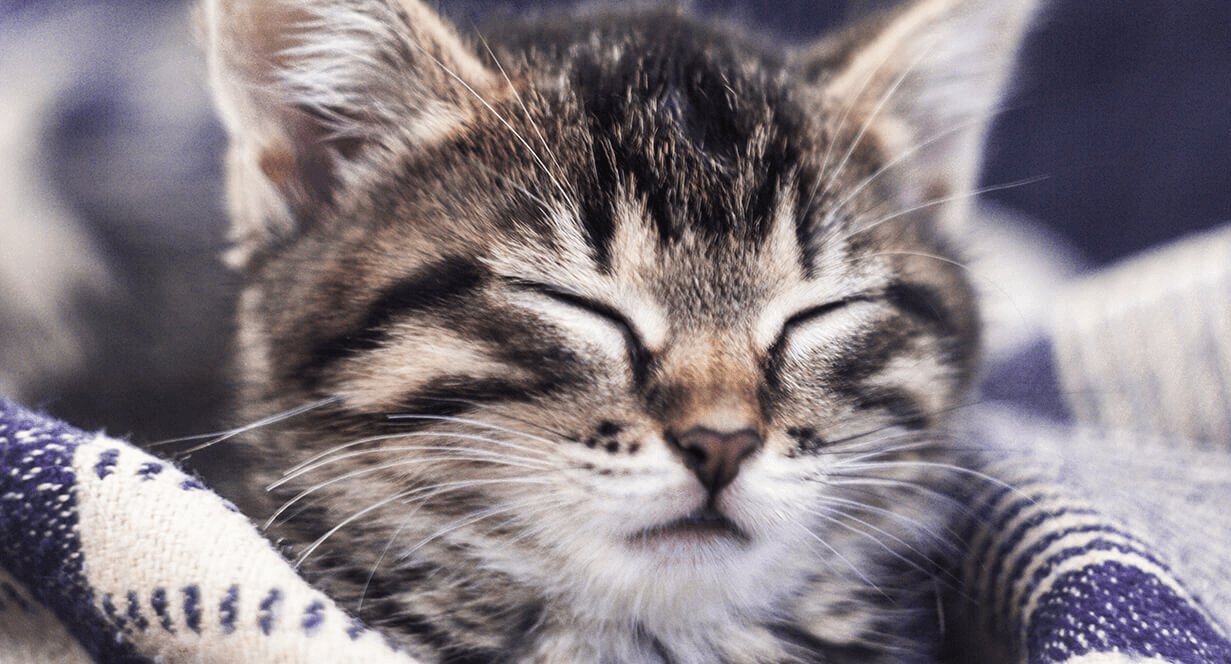
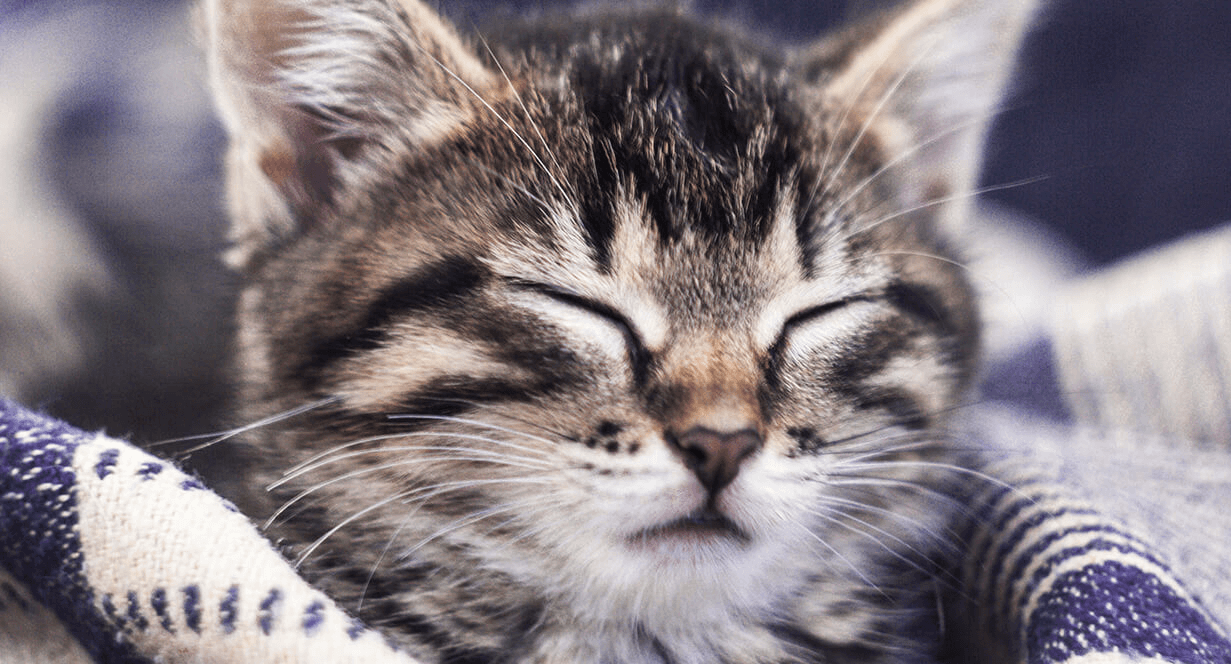
Kittens can get hairballs, although it’s not as common as in adult cats. Kittens are adept learners, and as they grow up, their grooming habits will mature as well. This could lead to hairballs, especially if your kitten has longer hair.
Most cats spend a considerable amount of time grooming their coats. As they groom, they can swallow hair, which may build up over time in their stomach. If the hairball doesn’t pass from the stomach, the cat will attempt to eliminate it by coughing or gagging.
Many cats will get a hairball at some point in life, but some kittens, such as long-haired breeds and cats that groom excessively, are especially prone to hairballs.
You can help reduce the number of hairballs your kitten or cat experiences in a few ways:
The right diet can help provide hairball relief to both kittens and cats. For instance, the beet pulp in IAMS™ dry kitten formulas helps move hair through the digestive tract.
Maintaining skin and coat health may reduce the risks of excessive shedding, ingestion of hair from grooming, and, consequently, hairball formation as your kitten grows into an adult cat. High-quality, animal-based protein and fat, found in the IAMS™ kitten formula, provide important nutrients for skin and coat health.
In cats and kittens that are prone to hairballs, frequent brushing can help reduce the amount of hair they ingest, thereby reducing the risk of hairball formation.