Enter a keyword below to search for articles and products.


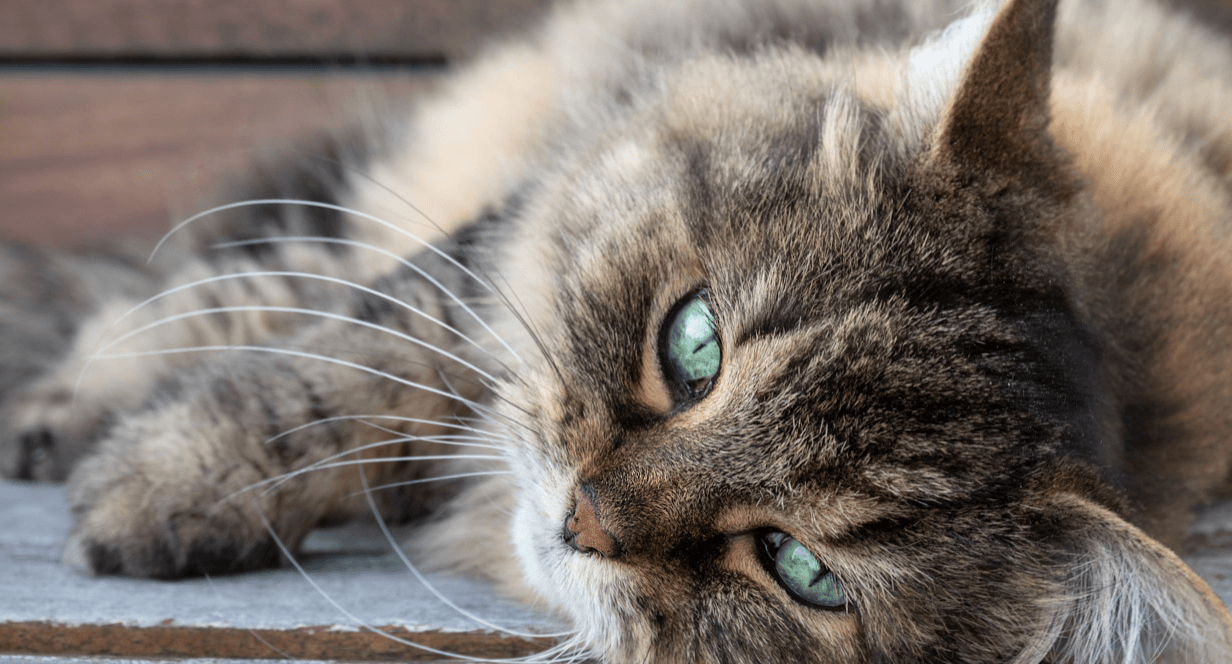
Your cat’s skin and coat help keep viruses and bacteria from entering the body and prevent water and heat from leaving it. And because nutrients such as protein, fat, vitamins and minerals play crucial roles in your cat’s skin and coat health, it’s important to make sure your cat is receiving the right types and amounts. IAMS™ cat foods are designed to provide your cat with the nutrition they need to support their skin and coat health.
Without Proper Nutrition
With Proper Nutrition
Your cat’s hair coat is composed almost entirely of protein. If your cat’s diet doesn’t contain enough quality protein, her hair may fall out or become dry, weak and brittle.
But not all proteins are alike. Proteins are found in both animal- and plant-based ingredients. Animal-based proteins contain all of the essential amino acids cats need, while plant-based proteins may contain only some. Cats need the nutrients in animal-based protein sources for the best health.
Fats also can be found in both animal- and plant-based ingredients, and are incorporated into skin cells as fatty acids. Three fatty acids help maintain your cat’s skin and coat condition:
Without these fatty acids, cats may experience a dull, dry coat, hair loss and greasy skin.
To promote your cat’s skin health and elasticity, make sure to provide clean, fresh water at all times.
Most cat foods contain more than the required amount of linoleic acid, an omega-6 fatty acid. However, IAMS research shows that it is not just the amount, but the ratio of omega-6 to omega-3 fatty acids that is most beneficial to cats.
The optimal omega-6 to omega-3 fatty acid ratio to maintain a healthy skin and coat in cats is between 5:1 and 10:1. In other words, five to 10 omega-6 fatty acids should be present for every one omega-3 fatty acid.
Vitamins and minerals are essential for the development of healthy skin and coat. The best way to provide them is through a complete and balanced diet rather than through supplements.
| Vitamin or Mineral | Role in Skin and Coat Health |
| Vitamin A | Necessary for growth and repair of skin |
| Vitamin E | An antioxidant that helps maintain the health of skin cells |
| Vitamin C | An antioxidant that helps maintain the health of skin cells |
| Biotin | Aids in the utilization of protein |
| Riboflavin (B2) | Necessary for fat and protein metabolism |
| Zinc | Necessary for fat and protein metabolism |
| Copper | Involved in tissue, pigment, and protein synthesis |
The protein, fatty acids, vitamins and minerals in your cat’s food all play a vital role in your cat’s skin condition and coat health. While other factors, including the season and your cat’s age, can also affect the health of your cat’s hair and skin, optimal nutrition can help support a shiny coat and healthy skin.


The Association of American Feed Control Officials (AAFCO) was formed in 1909 to establish a framework for uniform regulation of the feed industry. Although not a government agency, AAFCO operates within the guidelines of federal and state legislation including laws administered by the Food and Drug Administration (FDA) and the U.S. Department of Agriculture (USDA).
AAFCO establishes standards or models for regulations aimed at ensuring that manufacturers provide clear, accurate, and consistent information about animal feed, including pet food.
Every year AAFCO issues an official publication called the AAFCO Manual. This manual, in addition to listing ingredient definitions and feed terms, addresses labeling issues such as label format, ingredient lists, nutrition claims, and guaranteed analysis.
These model regulations are different from laws. However a large number of state governments have adopted AAFCO pet food model regulations into state law.
The “AAFCO statement of nutritional adequacy or purpose,” also called a “nutrition claim” or “complete and balanced statement,” identifies which life stage and/or lifestyle the product has been approved for. Under AAFCO regulations, this statement must be substantiated by the manufacturer.
AAFCO recognizes three methods for substantiating the claim:
1. Laboratory analysis
2. Feeding trials
3. Analysis comparable in nutritional adequacy
AAFCO has outlined very specific protocols, or guidelines, for conducting feeding tests. The protocols specify test criteria including such things as:
Each life stage has its own protocol. Life stages are the same for both dogs and cats and are defined as:
A pet food with an 'All Life Stages' claim can be used from weaning through adulthood. This claim is considered an unqualified (absolute) representation of nutritional adequacy. If substantiated through feeding trials, the protocol for gestation/lactation and growth must be performed sequentially, using the same group of animals.
AAFCO regulations state that specific wording must be used when a diet is intended for special nutritional or dietary needs that require the involvement of a veterinarian for diagnosis, management, and follow-up.
Understanding the AAFCO statements for nutritional adequacy can help customers choose a high-quality diet that provides complete and balanced nutrition for the appropriate life stage of their dog or cat.