Enter a keyword below to search for articles and products.
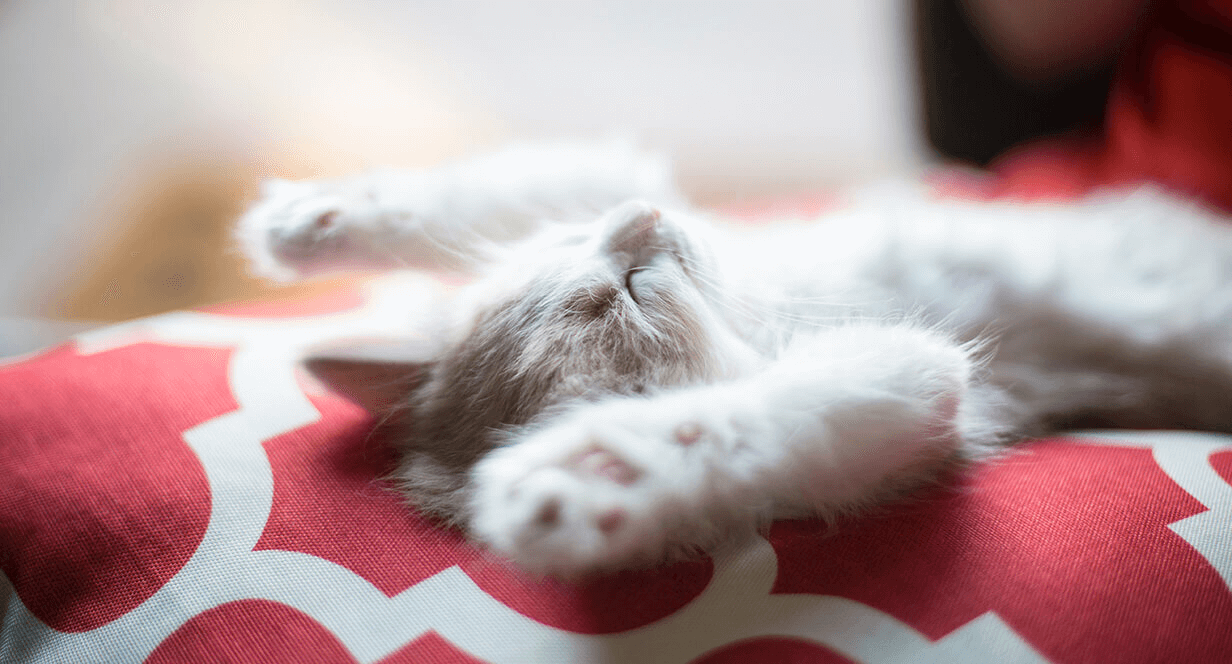
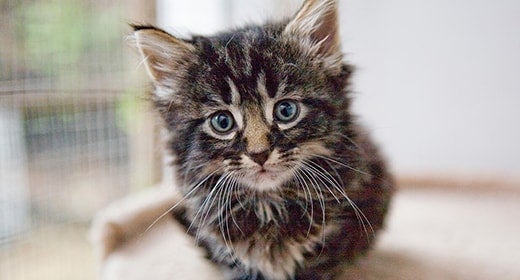
Raising a kitten is one of the most enjoyable experiences a pet owner can have, but it can also be as challenging as it is rewarding. When it comes to your kitten’s diet, it’s important to set up a solid foundation to make sure your kitten grows into a healthy, well-adjusted cat.
The timeline for feeding your newborn kitten changes rapidly during the first six months. The following is a broad overview of the key development milestones your kitten will experience to help you learn what and how you should feed the newest member of your family.
AGE | MILESTONE |
7-10 days old | Kittens begin to urinate and defecate on their own. |
10-18 days old | Kittens attempt to stand. Kittens double their birth weight at about day 14. Kittens’ eyes begin to open. Kittens’ ears begin to open. |
18-21 days old | Kittens hear and respond to noises. Kittens begin to walk. |
3 weeks old | Begin weaning process for orphaned kittens. Kittens begin responsive vocalization. Deciduous (baby) teeth will begin erupting. |
4 weeks old | Begin weaning process for mother-fed kittens. |
3-6 months old | Kittens’ adult teeth erupt. |
Due to breed differences and animal individuality, it is impossible to predict exact dates for growth and development milestones for kittens. However, by using these milestones as a guide for healthy growth, you can spot and possibly prevent developmental problems early on.
When your kitten reaches 4 weeks old (or 3 weeks old for orphaned kittens), you can begin the weaning process. Follow this step-by-step process to wean a kitten using IAMS:
The entire process should take approximately three weeks.


What is it about owning a cat that just makes life better? After all, cat ownership isn’t all snuggles and purrs — it can be a big responsibility. They eat every day. (Who would’ve guessed?) They need routine health care, just like their owner. Some cats are serious fur factories, and some will hack up hairballs the size of a kitten. Despite all of the duties and challenges, owning a cat improves our lives. Let’s dive into how cats help humans.
You’ve probably heard that cats are aloof, but that’s not always the case. They can be affectionate, playful and highly attached to their owners, much like a dog. It’s just that cats are at a disadvantage versus dogs because they don’t have the facial physiology that lets their canine counterparts “smile” all the time.
So, don’t be fooled — cats are not only happy; they’re also immensely talented at bringing joy to their humans. In the market for crazy antics one minute, soft cuddles the next? Cats are a low-risk, high-yield investment in complex personalities.
With any cat adoption, you are literally saving that animal’s life. Plus, you’re supporting the organization you adopt from, which in turn allows them to help more animals in need, so you’re basically a hero. And all these good feelings happen before you even bring your new kitty home!
Who couldn’t use another friend? Especially one that’s a furry, adorable biscuit factory. Research shows that having a cat can reduce stress and increase confidence, and it’s hard to beat quality time with a cat for anxiety relief. Journalist Jane Pauley once said, “You cannot look at a sleeping cat and feel tense.”
Adopting a cat can be a great move for children, too. There’s no better way to nurture values such as responsibility and empathy than with a frolicky, purr-motored pal. A survey of parents found that children who had bonded with a feline friend enjoyed a higher quality of life. (They wanted to survey the cats too, but there was a sunny spot on the carpet that needed to be napped in, so …)
Cats are amazing. They entertain us by defying gravity and contorting themselves into spine-twisting postures. An inquisitive meow or a nudge with their head can totally banish a bad mood. They are the perfect companion to all. If you’re thinking about adding a cute, fluffy, serotonin-boosting kitty cat, this is your sign: Do it!