Enter a keyword below to search for articles and products.
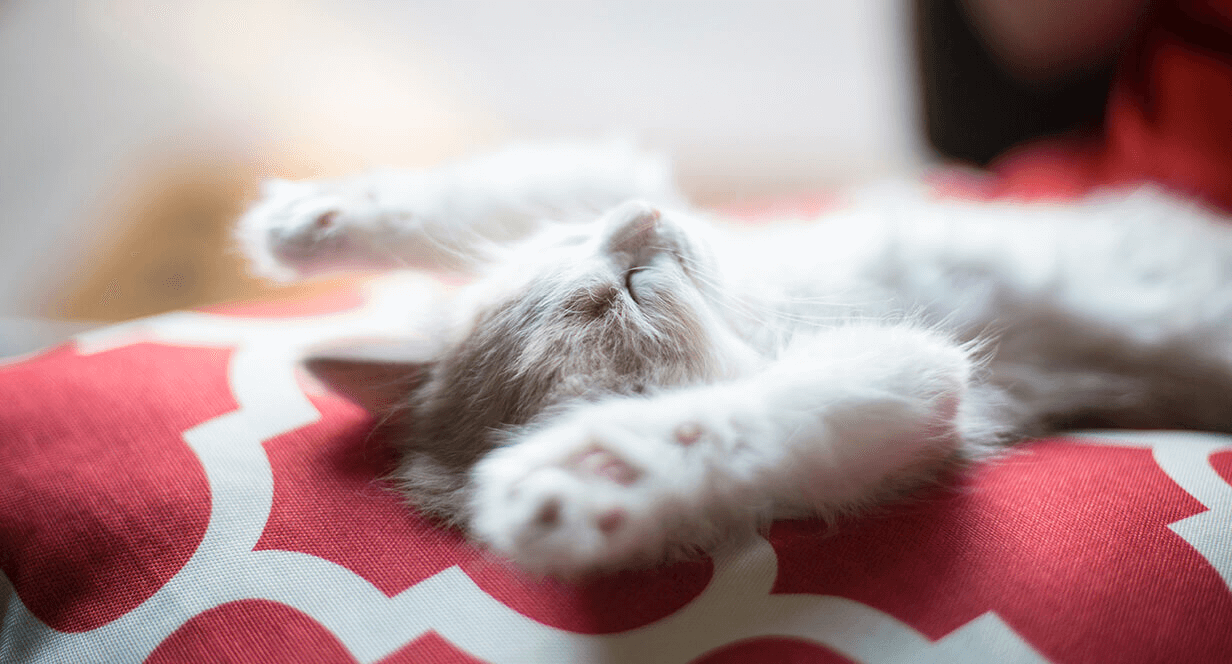
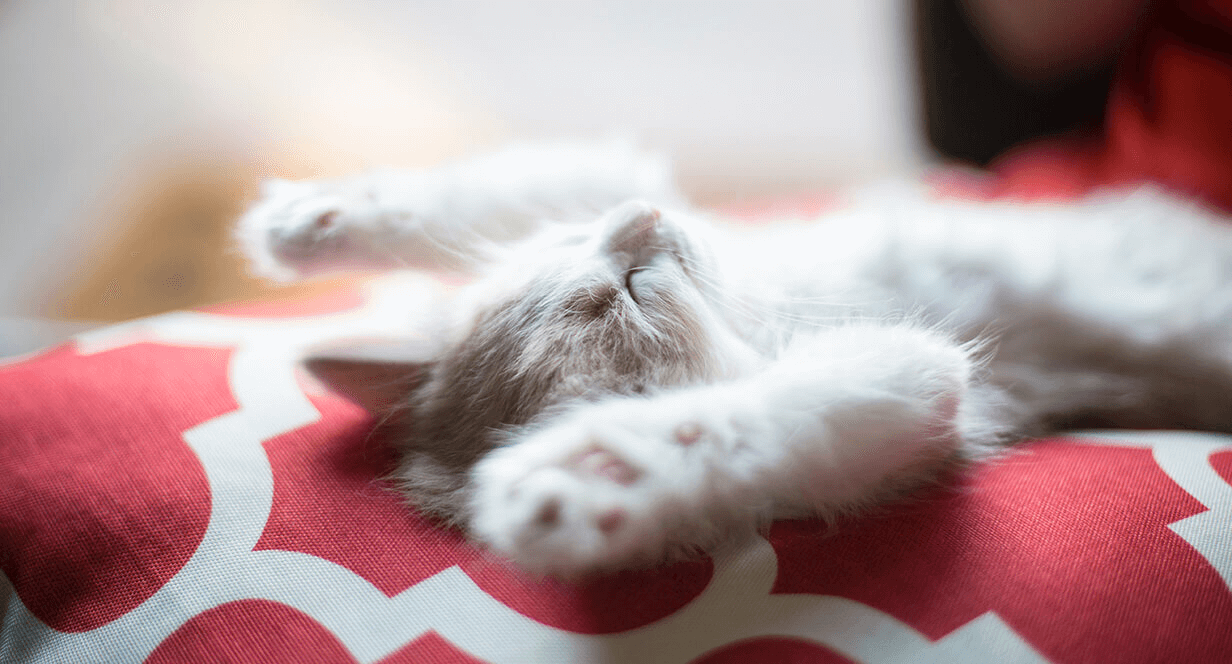
Raising a kitten is one of the most enjoyable experiences a pet owner can have, but it can also be as challenging as it is rewarding. When it comes to your kitten’s diet, it’s important to set up a solid foundation to make sure your kitten grows into a healthy, well-adjusted cat.
The timeline for feeding your newborn kitten changes rapidly during the first six months. The following is a broad overview of the key development milestones your kitten will experience to help you learn what and how you should feed the newest member of your family.
AGE | MILESTONE |
7-10 days old | Kittens begin to urinate and defecate on their own. |
10-18 days old | Kittens attempt to stand. Kittens double their birth weight at about day 14. Kittens’ eyes begin to open. Kittens’ ears begin to open. |
18-21 days old | Kittens hear and respond to noises. Kittens begin to walk. |
3 weeks old | Begin weaning process for orphaned kittens. Kittens begin responsive vocalization. Deciduous (baby) teeth will begin erupting. |
4 weeks old | Begin weaning process for mother-fed kittens. |
3-6 months old | Kittens’ adult teeth erupt. |
Due to breed differences and animal individuality, it is impossible to predict exact dates for growth and development milestones for kittens. However, by using these milestones as a guide for healthy growth, you can spot and possibly prevent developmental problems early on.
When your kitten reaches 4 weeks old (or 3 weeks old for orphaned kittens), you can begin the weaning process. Follow this step-by-step process to wean a kitten using IAMS:
The entire process should take approximately three weeks.
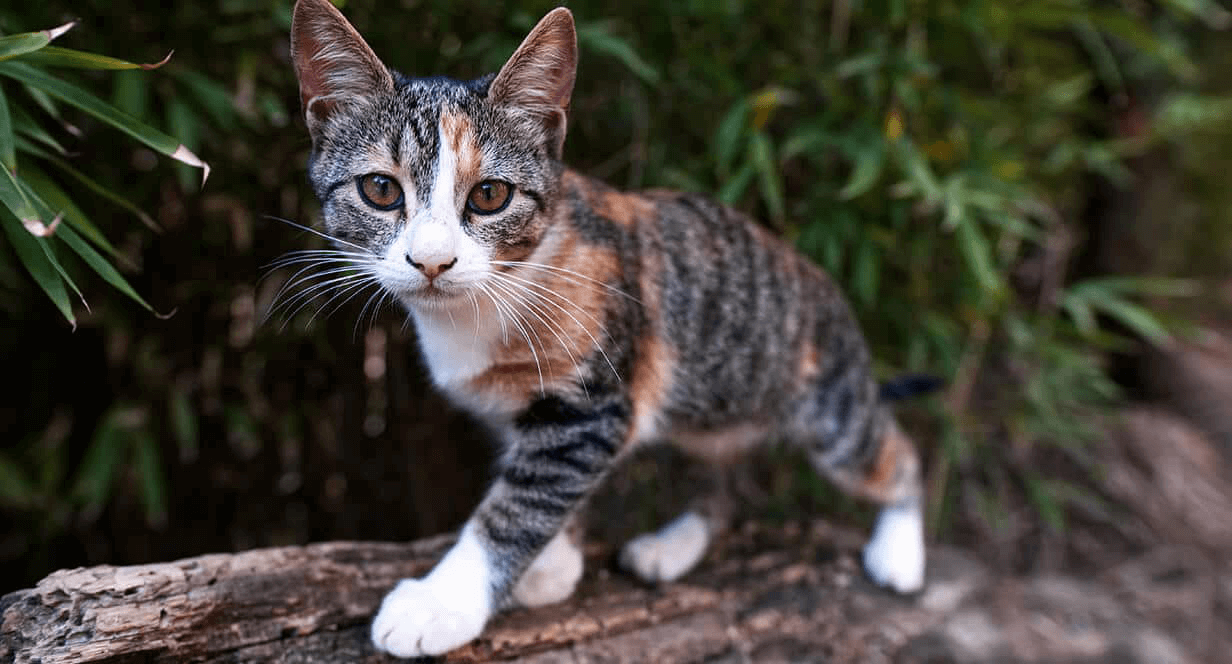
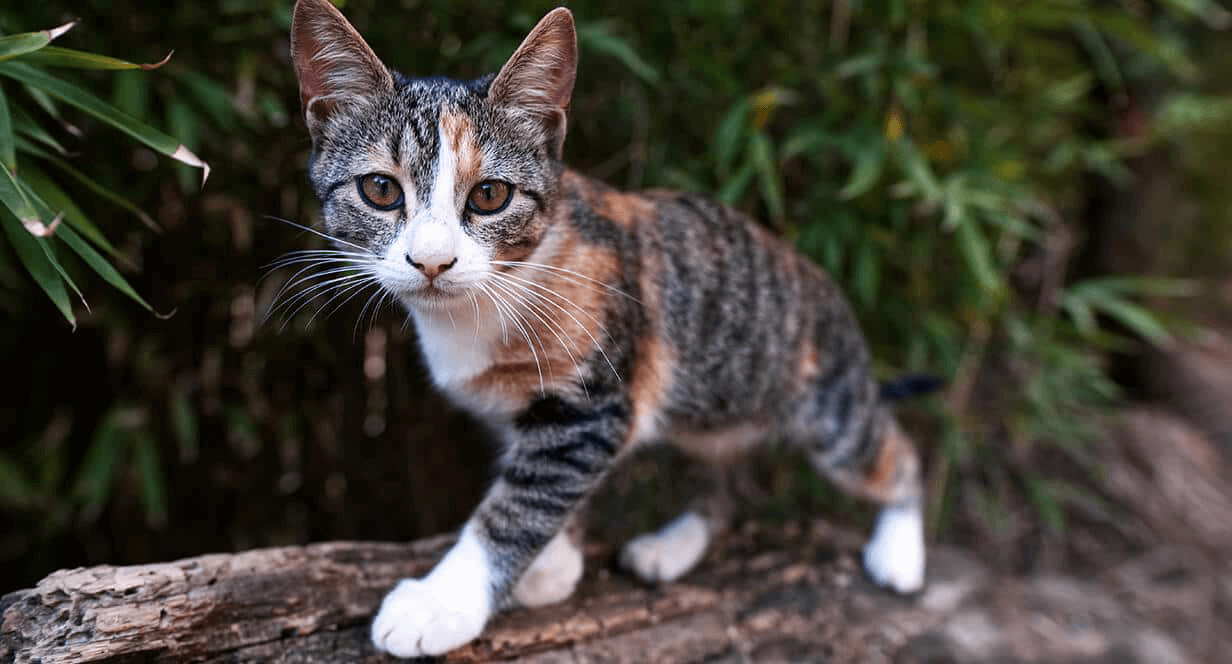
Is anything cuter than an adorable kitten with a gorgeous, healthy coat? We don’t think so. That’s why we include fish oil in IAMS™ dry kitten food to help promote healthy skin and a healthy coat for your furry bundle of joy.
Let’s dive deeper into fish oil and meal, what it does, how it can help your kitten and why it’s an important component in all IAMS™ dry kitten foods.
Let’s dive deeper into fish oil and meal, what it does, how it can help your kitten and why it’s an important component in all IAMS™ dry kitten foods.
You guessed it: Fish oil is fat or oil extracted from fish. Fish meal, which is used in IAMS™ dry kitten foods, is a good source of natural fish oil — which is a high-quality source of omega-3 fatty acids.
Now, time for a science lesson! Fatty acids, a smaller component of fat, are critical for many kitten body functions. Omega-3 fatty acids are a type of fatty acid with important nutritional value for kittens. Fish oil from deep, cold-water fish contains omega-3 fatty acids including eicosapentaenoic acid (EPA) and docosahexaenoic acid (DHA).
When a kitten eats food with fatty acids, the fatty acids are incorporated into their tissues, including the skin. (Turns out you really are what you eat!) Omega-3 fatty acids produce substances that promote healthy skin conditions, especially when balanced with omega-6 fatty acids (found in common kitten food ingredients such as chicken fat and corn oil).
So what does all this mean for your kitten? Feeding a complete and balanced diet with a balanced ratio of omega-6 and omega-3 fatty acids is proven to promote healthy skin and a shiny coat in cats1. Studies reveal that when fed fish oil, cats show:
DHA from fish oil has also been shown to promote healthy brain and vision development in kittens — important for all the hours of play and nighttime zoomies your kitten will experience in their lifetime.
All IAMS™ dry kitten foods, such as IAMS™ ProActive Health™ Mother And Kitten, are formulated with fish oil and an optimal ratio of omega-3 and omega-6 fatty acids. Proper nutrition as a kitten can help support your kitten’s soft and shiny coat now — and for all the years to come.
1 Data on file, The IAMS™ Company, 2000.