Enter a keyword below to search for articles and products.


Raising a kitten is one of the most enjoyable experiences a pet owner can have, but it can also be as challenging as it is rewarding. When it comes to your kitten’s diet, it’s important to set up a solid foundation to make sure your kitten grows into a healthy, well-adjusted cat.
The timeline for feeding your newborn kitten changes rapidly during the first six months. The following is a broad overview of the key development milestones your kitten will experience to help you learn what and how you should feed the newest member of your family.
AGE | MILESTONE |
7-10 days old | Kittens begin to urinate and defecate on their own. |
10-18 days old | Kittens attempt to stand. Kittens double their birth weight at about day 14. Kittens’ eyes begin to open. Kittens’ ears begin to open. |
18-21 days old | Kittens hear and respond to noises. Kittens begin to walk. |
3 weeks old | Begin weaning process for orphaned kittens. Kittens begin responsive vocalization. Deciduous (baby) teeth will begin erupting. |
4 weeks old | Begin weaning process for mother-fed kittens. |
3-6 months old | Kittens’ adult teeth erupt. |
Due to breed differences and animal individuality, it is impossible to predict exact dates for growth and development milestones for kittens. However, by using these milestones as a guide for healthy growth, you can spot and possibly prevent developmental problems early on.
When your kitten reaches 4 weeks old (or 3 weeks old for orphaned kittens), you can begin the weaning process. Follow this step-by-step process to wean a kitten using IAMS:
The entire process should take approximately three weeks.
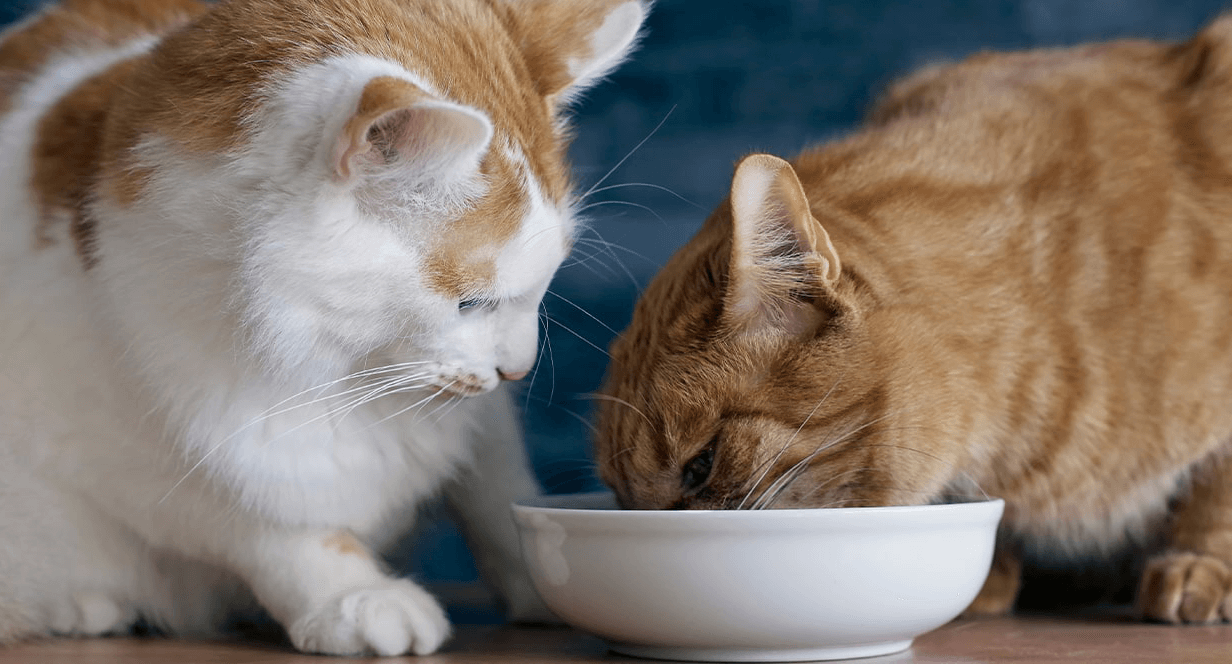
The only thing better than owning a cat is owning more than one cat. While a multiple-cat household means additional snuggles and cuddles, it can also mean a little extra work when it comes to mealtime. Fear not! We’ve assembled this tasty buffet of tips to help make sure all your feline companions get the proper amount of food and nutrition.
Similar to their humans, cats’ diets vary for a number of reasons.
Now, how can you make sure each cat is eating the right food come suppertime?
Make any changes to your cats’ diets gradually over the course of several days. This will help reduce stomach issues or requests to “speak with the manager.”
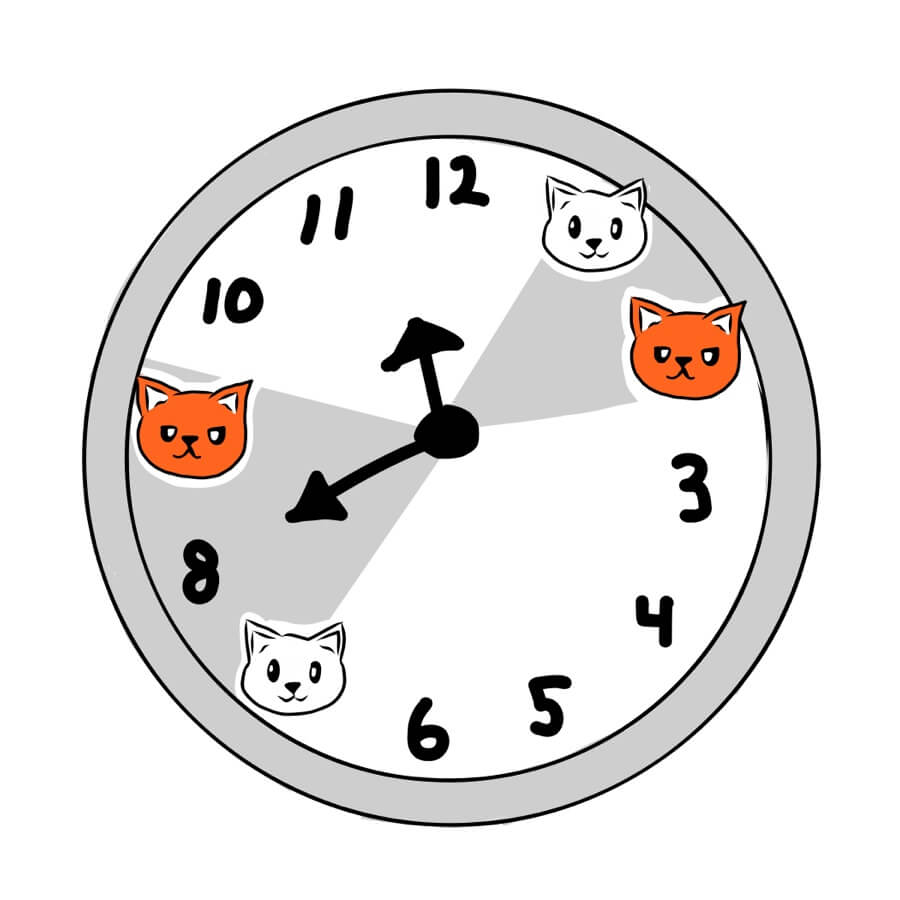
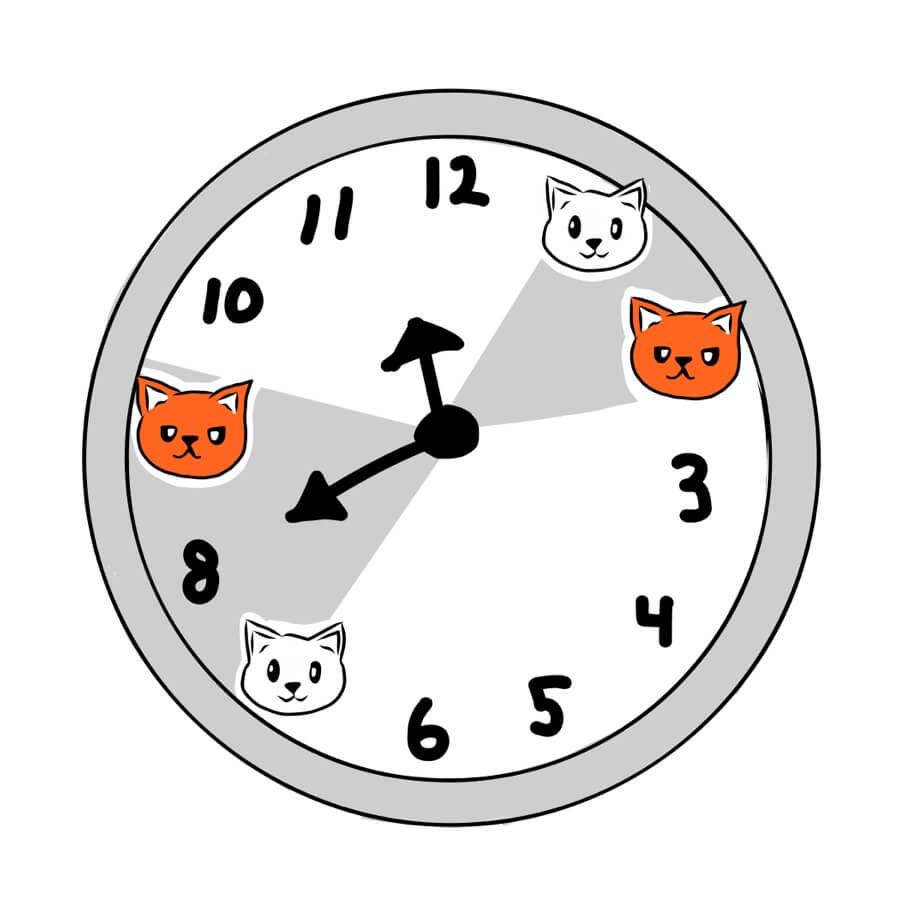
Instead of setting up a 24-hour buffet, schedule regular times for dining. This helps ensure your cats are hungry when it’s time to eat and won’t steal from anyone else’s dish throughout the day.
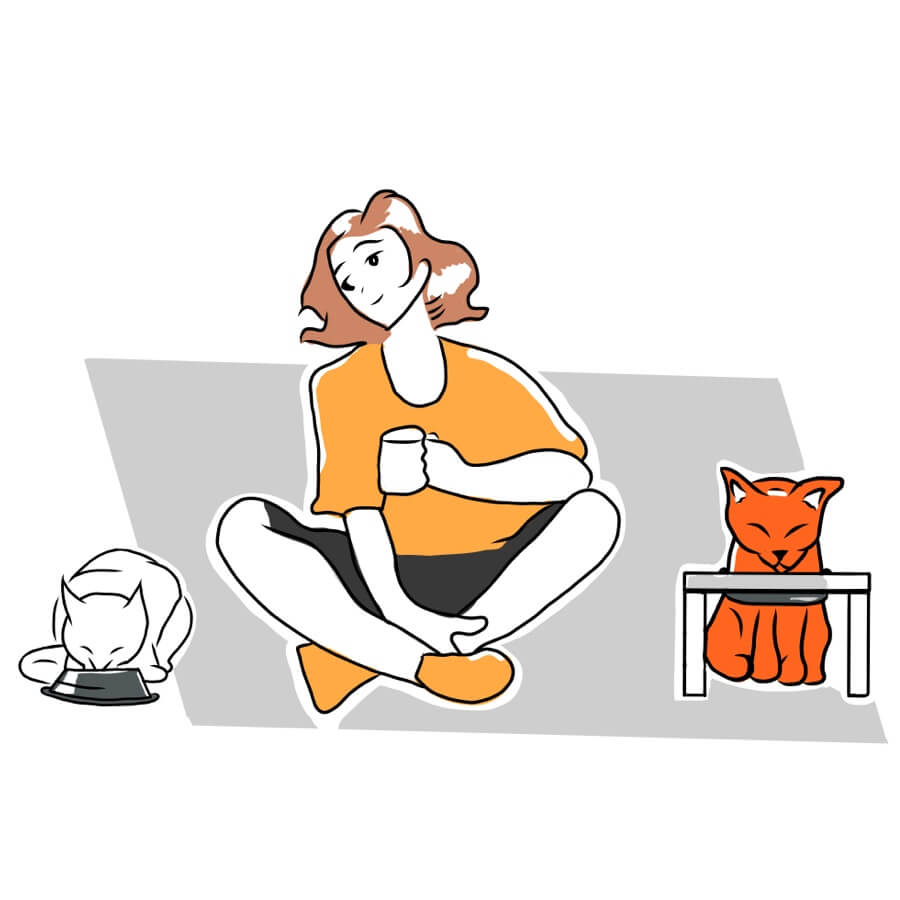
The best way to prevent fights over food or other eating issues is to keep an eye on your cats when you feed them. You’ll be certain everyone is getting a proper meal, and you’ll get some extra time to hang out together.
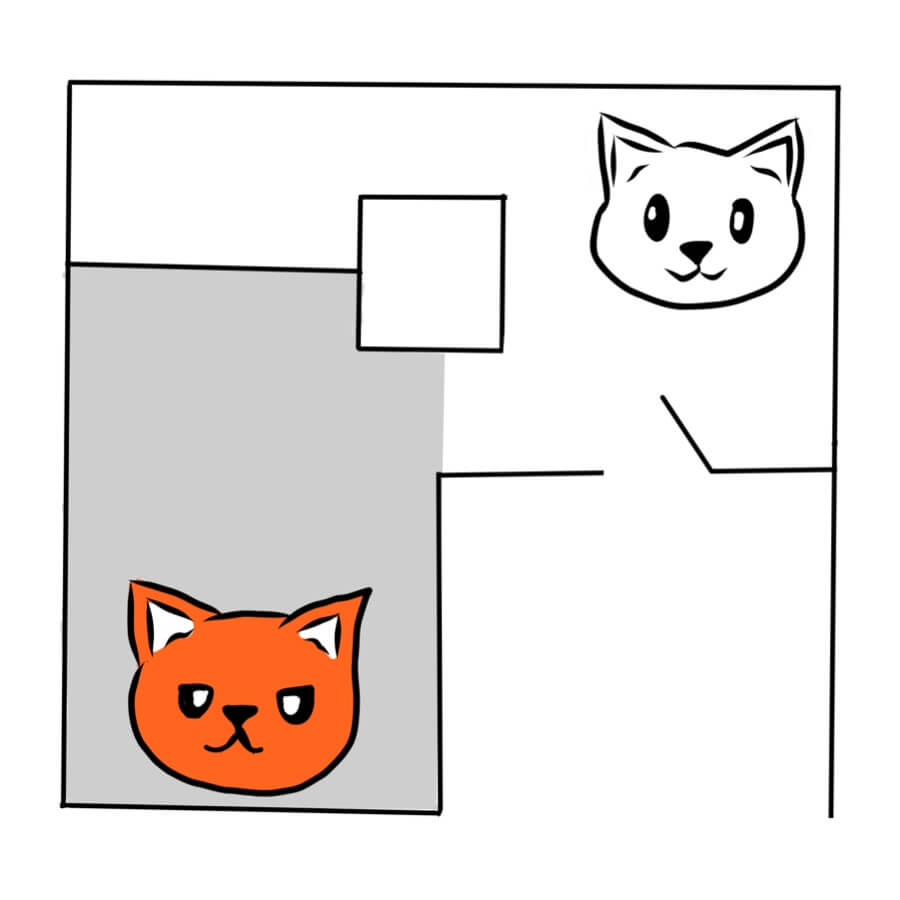
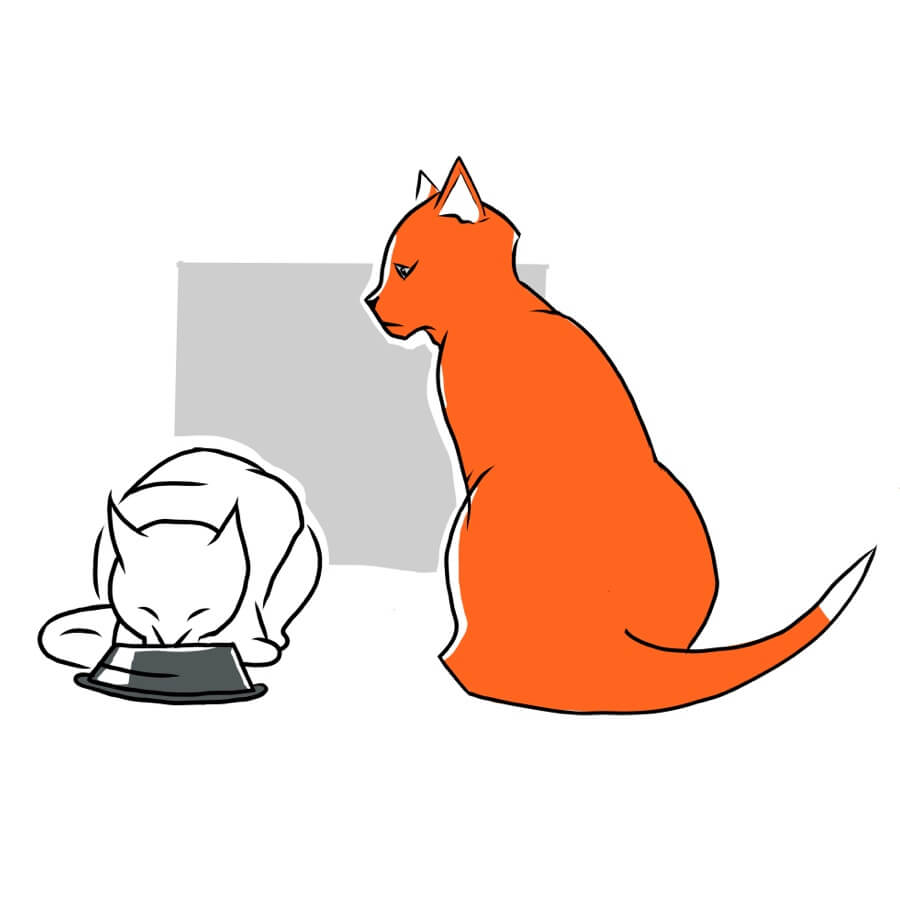
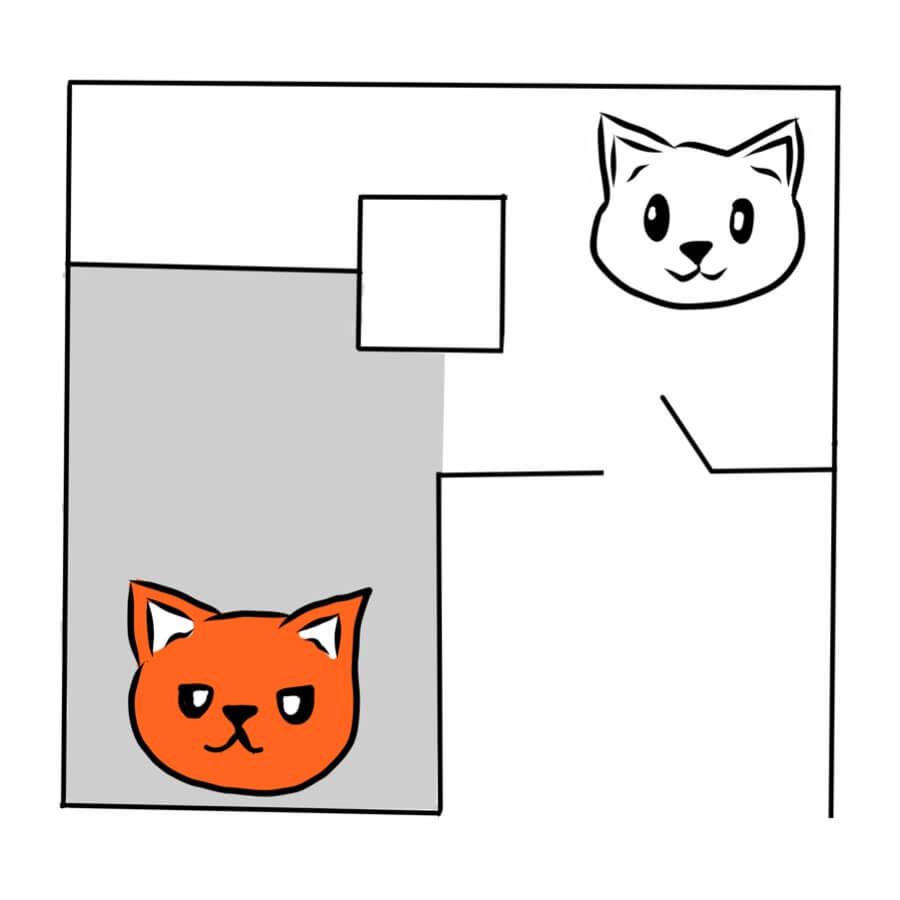
Try feeding each cat in a different room, putting their food bowls far apart or separating eating spaces with a barrier like a baby gate, trash can or chair.
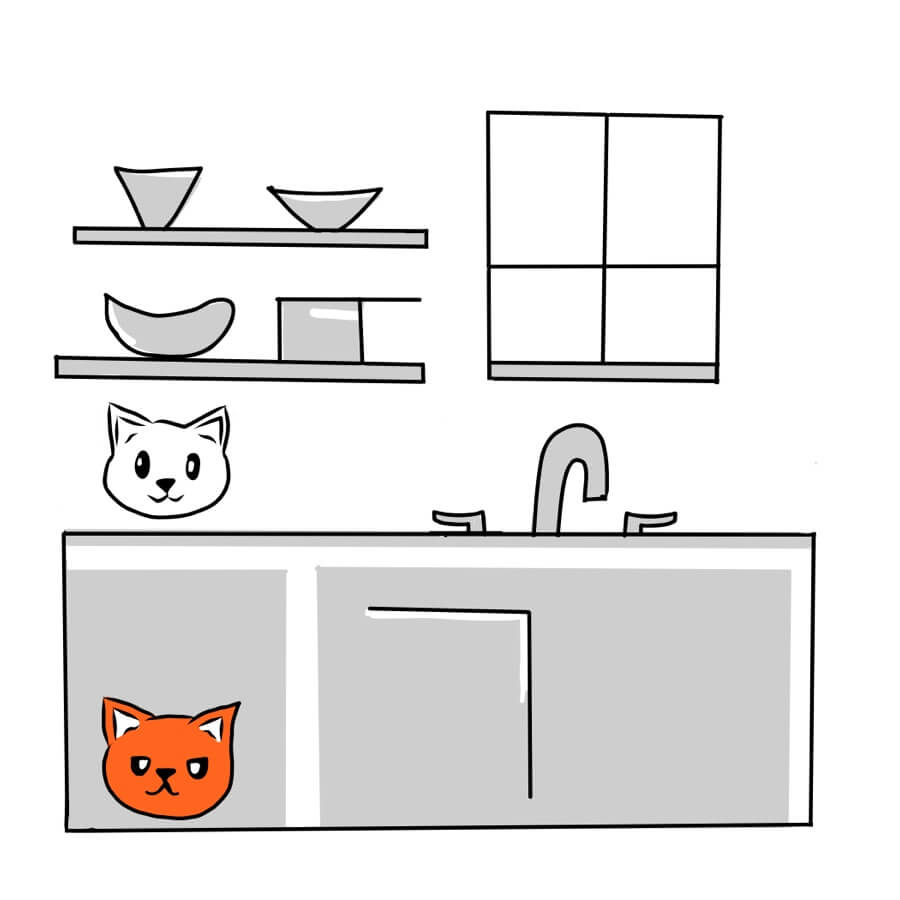
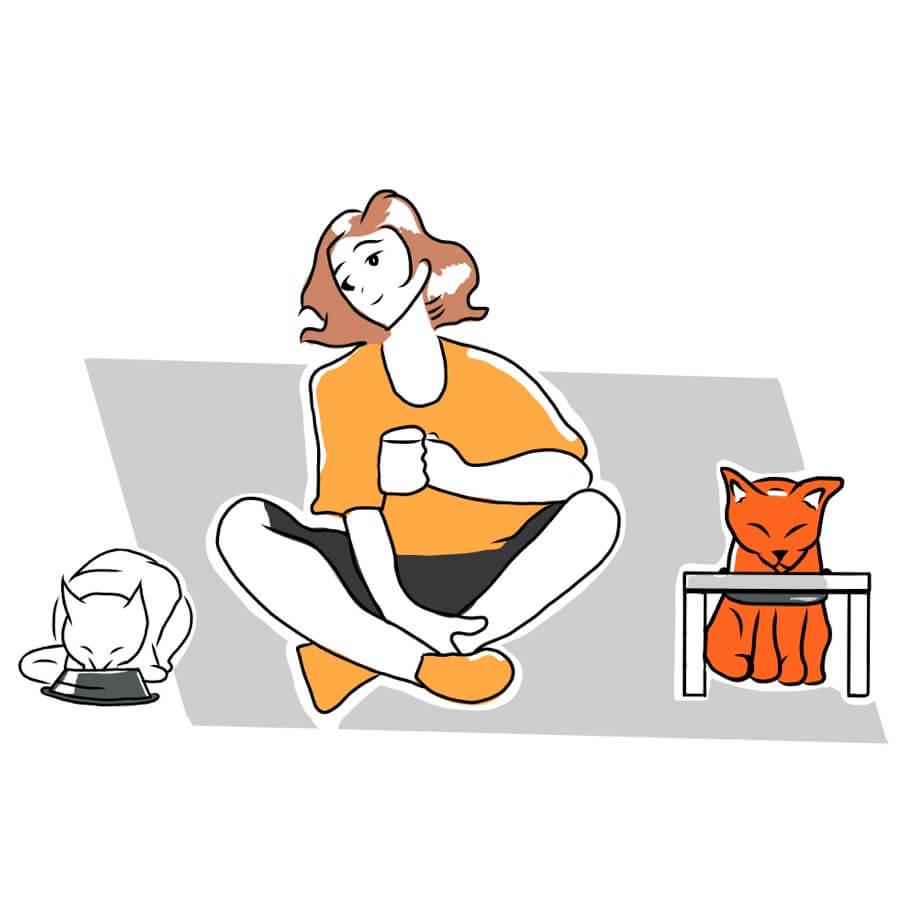
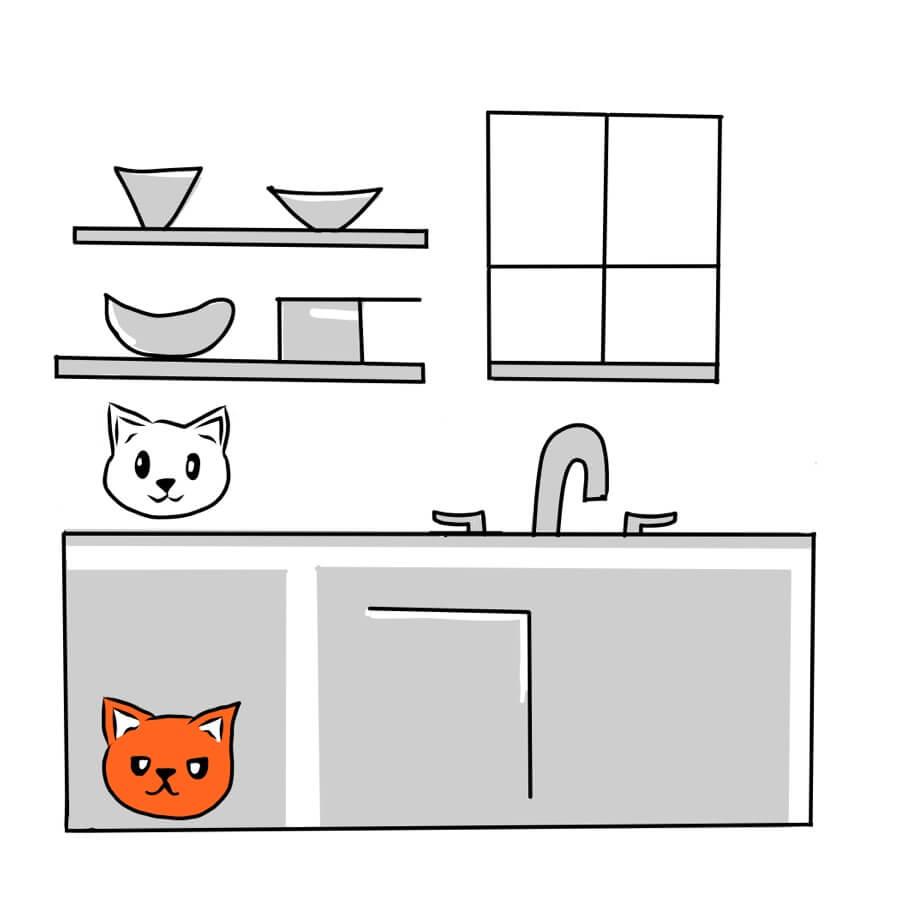
Another option is to put one cat’s meal on the floor and the other’s on a countertop. This works well if one of your cats is older or heavier and can’t make the leap.
Your furry friends might not take to these changes immediately, but kind words, your ongoing affection and judicious use of treats will go a long way toward having them accept a new mealtime routine.