Enter a keyword below to search for articles and products.
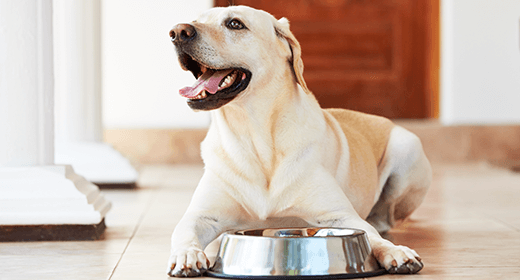
Providing pets with vitamins, minerals, and other nutritional components is important to pet health and well-being, and the best way to do this is to feed a high-quality, complete, and balanced diet. Supplementing dog food often upsets the balance and might cause health problems.
People supplement their dog's diet for different reasons:
It is important to know that a quality dog food is carefully formulated to meet the caloric needs of the animal. The food provides essential amino acids, vitamin-rich fish oils, and minerals specific to the nutritional requirements of the dog.
Quality foods are complete and balanced for a specific life stage or lifestyle. Adding table scraps or other supplements can disrupt the delicate nutrient balance.
The interaction between minerals is very complex. Fortunately, this area of nutrition has been the focus of extensive research for many years. Research has shown that not only are the individual levels of minerals in a diet important but the proper balance is also. An excess of one mineral might affect the absorption of a second, and lead to a deficiency in that second mineral.
One common way of supplementing is to feed extra meat. However, because meat contains 20 to 40 times more phosphorus than calcium, adding meat to a balanced diet will upset the calcium to phosphorus (or Ca:P) ratio, which is important for proper bone development and maintenance.
This might prompt your pet's body to absorb calcium from the bones in order to reach the right balance. This is often the case in older animals that experience tooth loss due to the reabsorption of bone from the lower jaw. Ca:P ratio should range between 1.1 to 1.4 parts of calcium for each part of phosphorus.
Excess amounts of calcium have been associated with several bone diseases affecting growing puppies. Owners of large-breed puppies, in particular, believe that their puppies require extra calcium for proper development of large bones. Adding yogurt, cottage cheese, or calcium tablets to the puppy's diet will only upset the body's delicate mineral balance.
Remember: Large-breed puppies consume more food and get the calcium their bodies need by eating the recommended portions. The best way to support a normal growth rate is to feed growing dogs a balanced diet using a portion-controlled regimen.
The Association of American Feed Control Officials (AAFCO) regulates the pet food industry and has established certain nutritional requirements for dogs. These requirements are published annually in the AAFCO Manual. Only pet foods that have met the strict criteria established by AAFCO can carry the 'complete and balanced' statement on the label.
Providing pets with vitamins, minerals, and other nutritional components is important to pet health and well-being, and the best way to do this is to feed a high-quality, complete, and balanced diet. Supplementing dog food often upsets the balance and might cause health problems.
People supplement their dog's diet for different reasons:
It is important to know that a quality dog food is carefully formulated to meet the caloric needs of the animal. The food provides essential amino acids, vitamin-rich fish oils, and minerals specific to the nutritional requirements of the dog.
Quality foods are complete and balanced for a specific life stage or lifestyle. Adding table scraps or other supplements can disrupt the delicate nutrient balance.
The interaction between minerals is very complex. Fortunately, this area of nutrition has been the focus of extensive research for many years. Research has shown that not only are the individual levels of minerals in a diet important but the proper balance is also. An excess of one mineral might affect the absorption of a second, and lead to a deficiency in that second mineral.
One common way of supplementing is to feed extra meat. However, because meat contains 20 to 40 times more phosphorus than calcium, adding meat to a balanced diet will upset the calcium to phosphorus (or Ca:P) ratio, which is important for proper bone development and maintenance.
This might prompt your pet's body to absorb calcium from the bones in order to reach the right balance. This is often the case in older animals that experience tooth loss due to the reabsorption of bone from the lower jaw. Ca:P ratio should range between 1.1 to 1.4 parts of calcium for each part of phosphorus.
Excess amounts of calcium have been associated with several bone diseases affecting growing puppies. Owners of large-breed puppies, in particular, believe that their puppies require extra calcium for proper development of large bones. Adding yogurt, cottage cheese, or calcium tablets to the puppy's diet will only upset the body's delicate mineral balance.
Remember: Large-breed puppies consume more food and get the calcium their bodies need by eating the recommended portions. The best way to support a normal growth rate is to feed growing dogs a balanced diet using a portion-controlled regimen.
The Association of American Feed Control Officials (AAFCO) regulates the pet food industry and has established certain nutritional requirements for dogs. These requirements are published annually in the AAFCO Manual. Only pet foods that have met the strict criteria established by AAFCO can carry the 'complete and balanced' statement on the label.