Enter a keyword below to search for articles and products.


Ethoxyquin is a synthetic antioxidant (artificially manufactured from other elements) that is approved for different uses.
Ethoxyquin is approved and regulated by the Food and Drug Administration (FDA) and the Association of American Feed Control Officials (AAFCO) for use as a preservative in animal feeds.
Dog-food manufacturers have been using ethoxyquin to prevent rancidity and to maintain the nutritional quality of their products for more than 35 years.
Ethoxyquin remains stable at the high temperatures required to process dog foods during extrusion. It is important in protecting fats and oils from degrading, losing available calories, and becoming rancid.
Despite the fact that all studies conducted to date prove that ethoxyquin is safe for use in all animal foods when used at approved levels, rumors continue to circulate to the contrary.
Individuals who seek to discredit the use of ethoxyquin will often cite certain studies that showed toxic effects in animals fed ethoxyquin. What these individuals fail to point out is that the animals in these studies were given excessive amounts of ethoxyquin—20 to more than 50 times the maximum limit—before negative effects were exhibited.


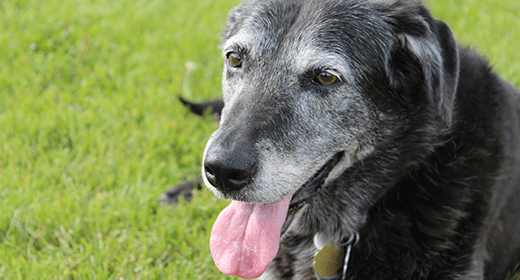
If you see signs of aging in your dog, don't wait to feed him the proper diet. Feeding a high-quality, premium food throughout your dog's life is the best way to help him age gracefully. When your dog reaches his mature years, choose a food like IAMS™ ProActive Health™ Mature Adult for nutrition suited to this stage of life. 'Good nutrition starts early,' says Dr. Michael Hayek, an IAMS research nutritionist who specializes in geriatric nutrition. 'It should be viewed as proactive health care because it may be a deterrent to aging later on.'
If your dog already exhibits signs of aging, look for a high-quality, balanced maintenance food that caters to his changing metabolism. When you're shopping for a formula that's right for your dog, look for and compare these important points: