IAMS IN
Why Do Dogs Eat Poop?

adp_description_block431
Why Do Dogs Eat Poop?

  • Share

A Tasteful Discussion

Like any companion or roommate, dogs — for all their love and cuteness—have habits we just don’t understand. One question dog owners often ask their pets: “Why? Why would you eat poop?”
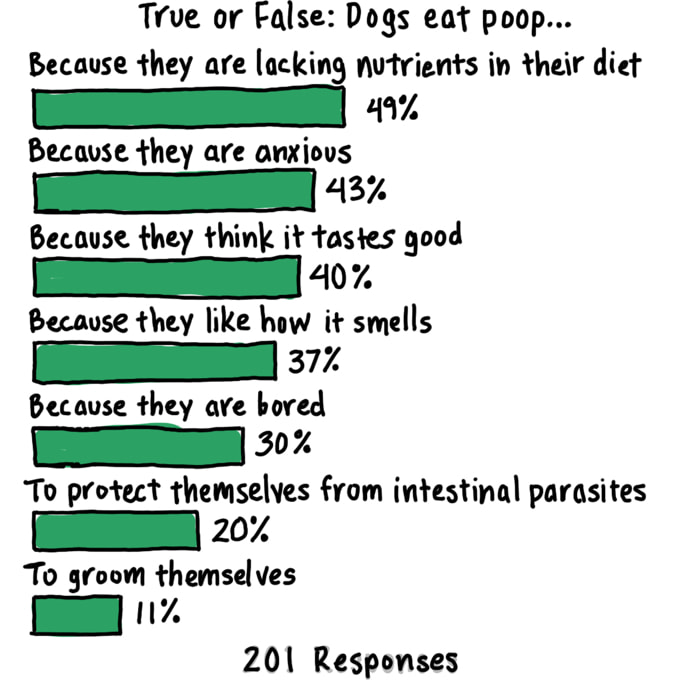
 

default album dogs eat poop graph
 

When we polled* dog owners recently, most thought it was because a dog is lacking nutrients (49%), they’re anxious (43%) or they just think it tastes good (40%).

Dogs are significantly more likely to eat the droppings of another species (e.g., horses, rabbits) than their own.
 

But Why? Whyyyyy?

We held our noses and got to the bottom of the issue with the help of some experts.
 

Do Dogs Eat Poop Because They Lack Nutrients?

While those in our poll thought this was the number-one reason for the behavior, it has actually never been proven. “It’s a myth dogs eat poop because they’re seeking nutrients they aren’t getting. There’s no evidence to back this,” says 

Opens a new windowDr. Jo Gale, BVetMed CertLAS MRCVS, Senior Manager, Global Science Advocacy at Waltham Petcare Science Institute.


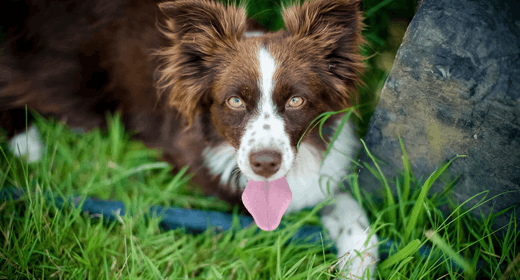
eatpoop fr dog


Do Dogs Eat Poop Because They're Anxious?

According to 

Opens a new windowDr. Tammie King, Applied Behavior Technical Leader at Waltham Petcare Science Institute, “It can occur where there is lack of environmental enrichment. You see this often in dogs who are kenneled and have a lack of opportunity to exhibit normal canine behavior.” So if you need another excuse to get out and play with your pooch, this is a good one.


Do Dogs Eat Poop Because of the Taste?

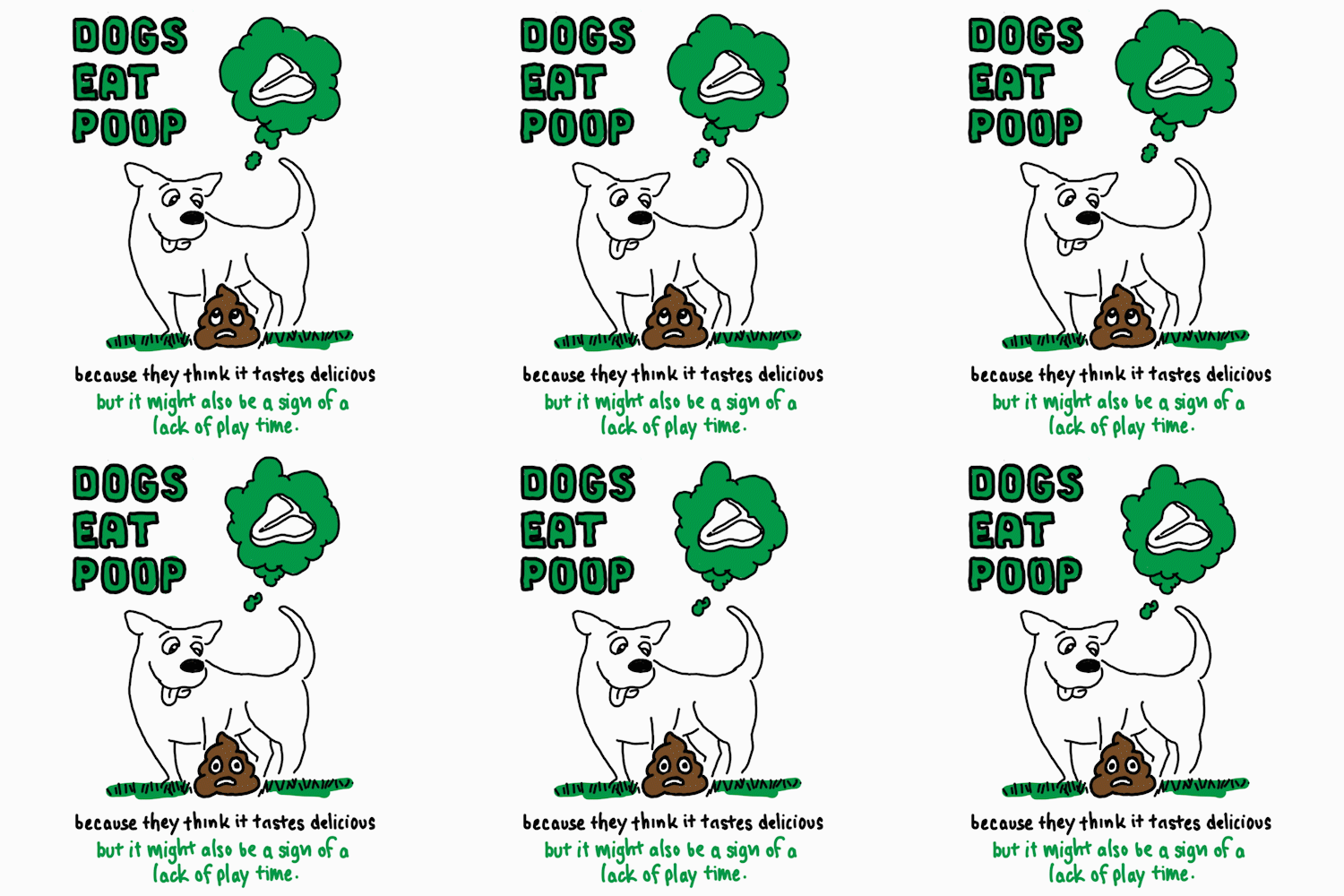
Believe it or not, this is the main reason dogs eat poop. Dr. Jo Gale explains: “Dogs are scavengers by nature and use any opportunity to eat what they can, when they can. They consider it a ‘tasty snack.’” Dr. Tammie King adds that “[Dogs eating poop] is a learned behavior. They’ve done it, enjoyed it, and that behavior is repeated.”

We love our dogs so much that we’re willing to trust our best friends on this. Maybe we should come out with a line of doggie breath mints though. Hmm.
 

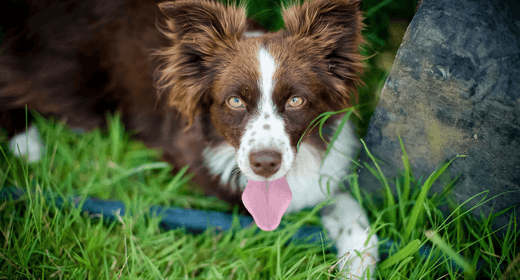
eatpoop frdog
 

Is Eating Poop Harmful to Dogs?

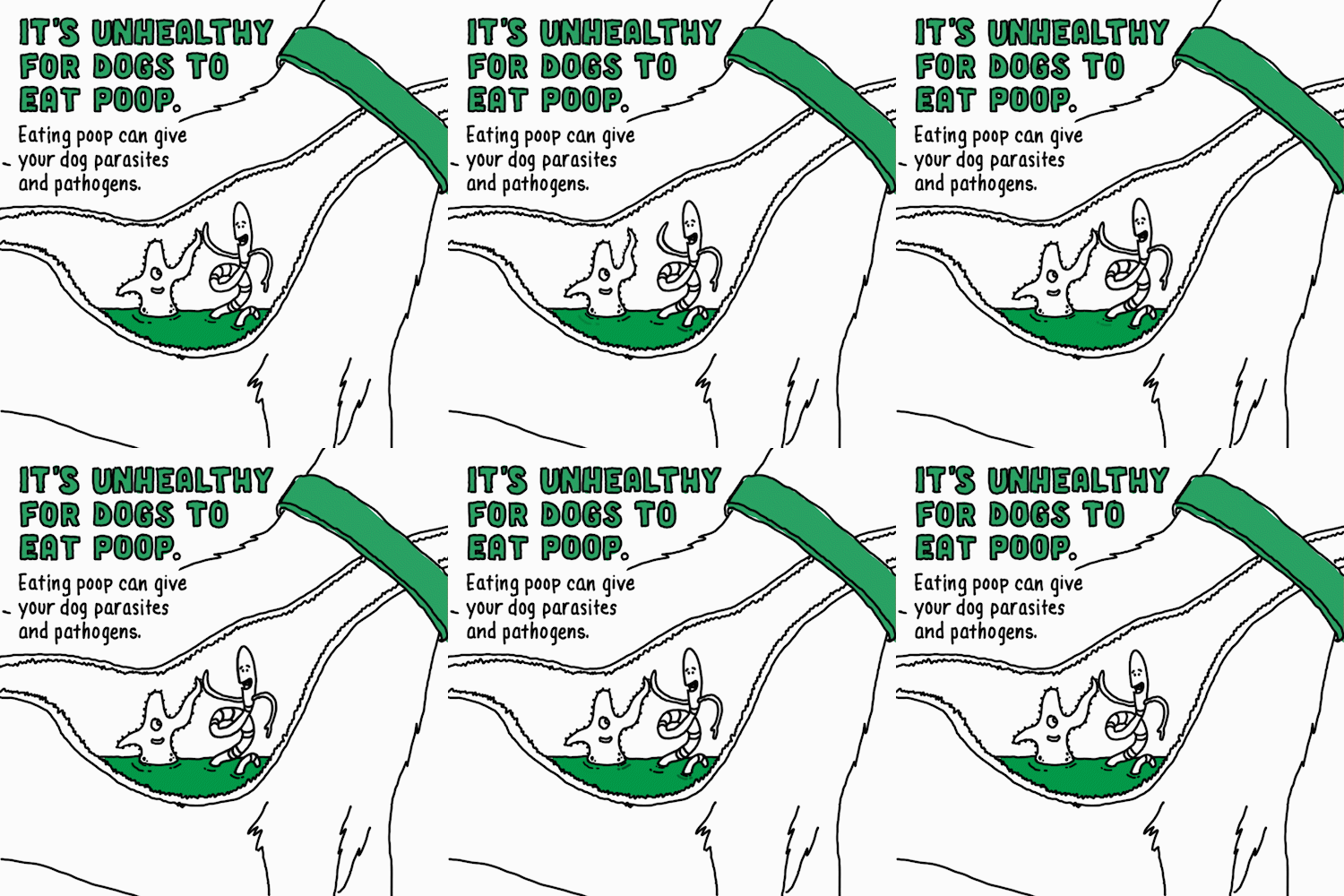
“Ingesting feces from any animal increases potential for ingesting parasites and pathogens,” cautions Opens a new windowDr. James Serpell BSc, Phd Professor of Humane Ethics & Animal Welfare at University of Pennsylvania School of Veterinary Medicine. He went on to say, “[It’s] not something humans should ignore, but it's not worth getting too excited about it.”

All the experts we consulted said that if your dog occasionally eats poop, it’s nothing to be overly alarmed by. Just keep an eye on the frequency and their overall health. And as always, make sure they’re getting a nutritious diet and plenty of exercise and attention. If you have any concerns contact your vet.

Despite dogs liking the taste of poop, we’re going to stick with the healthy range of more traditional flavors offered in all IAMS dog foods.
 

*Surveyed U.S. dog owners, age 18+

Sample Size: n=201

Fielded May 8 to May 10, 2020
  • How to choose a puppy that is right for your family
    How to choose a puppy that is right for your family mobile
    adp_description_block290
    How to choose a puppy that is right for your family

    • Share

    Watch as Expert Dog Trainer Kathy Santo talks about all the research that goes into finding the perfect puppy. From breed and temperament to barking, you’ll learn all the details that are often overlooked by people when they’re shopping around for a new best friend.


    Hi, I'm Kathy Santo with IAMS. Are you thinking of getting a dog? Bringing a new dog into your home is a big responsibility. You'll need to take the time to train and socialize your dog, as well as be prepared for the financial commitment that goes with pet ownership. Your dig will need food, supplies, veterinary care, and more. Remember, he'll depend on you for his health and well being. So be sure you're ready for a dog before you start the process. No surprise puppies. Make sure everyone in your household is on board with getting a puppy. Too often, puppies are given up if the family isn't ready for the commitment that puppies require. Once you've thought through the commitments and responsibilities associated with dog ownership, the next step is to figure out what type of dog is right for you and your family. Today we're going to discuss a variety of things you should think about before choosing your dog. What type of family do you have? Do you have kids or other pets? What size of dog works best for your family? Do you know how much cleaning and grooming time you can commit to? How much time do you have for training your new pup? What energy level is a good fit for your home? Is barking something to consider? What kind of temperament is right for your family? We all know how cute puppies and dogs are, and it can be hard to resist when you go to pick them out. Remember, they'll have an easier transition into your home if you think about the best type of dog for you. Consider the following aspects to help you choose the best dog for you and your family. Large dogs-- generally they aren't as suitable for apartment dwellers. They need a bit more space to move around, mostly for their long tails that need wagging space. They tend to be more expensive-- more dog food supplies and medical treatment. Small dogs-- they are more delicate and vulnerable. Being stepped on or mishandled can cause serious injury. Also, little dogs can be more sensitive to colder temperatures, so be ready to keep them warm. They're generally less expensive to maintain. How much cleaning up can you commit to? Long coated and double coated dogs shed, shed, and shed some more, leaving tufts of hair to float about the house and land everywhere. How much time are you willing to spend brushing or grooming? Make sure to consider the costs. A monthly grooming service can really add up over the years. If you lack time and patience to deal with a dog that's difficult to train, then an older dog from a rescue may fit your bill as well as a pup of a breed that is traditionally easier to train. Intelligence is not necessarily an indicator of train ability. Smart dogs often have their own agenda and require consistency on the part of their owners. Dogs with a willingness to work and a desire to please you often turn out to be the best companions. I recommend hiring a dog trainer to perform a few tests to help determine if the dog is a good fit for you. As a rule, terriers, hounds, and northern dogs are tough to train because of their intelligent and independent natures, while sporting and herding dogs are easier to train. The sharpest working obedience breeds are golden retrievers, Labrador retrievers, border collies, German shepherds, and Shetland sheepdogs, breeds that develop closely with humans. Some dogs enjoy lounging at your feet to sleep the day away, while others are very energetic and ready to run a marathon right alongside you. Cute as they are, basset hounds, dachshunds, and corgis are not jogging companions. And Airedales, German shepherds, and border collies are not typical couch potatoes. All dogs need some exercise to stay healthy. Most adult dogs will not exercise themselves, so time for walks and other activities is important. Some dogs bark a lot, and the amount can vary by breed. Terriers and scent hounds use their voices to broadcast their progress in chasing prey. Shelties and collies bark to tell the sheep to get back to the barn. Canaan dogs bark to alert their families of potential intruders. Many dogs will bark if they're bored, so owners should also be sure to assess their own time and ability for training, walking, and play times, and should properly confine the dog when they can't otherwise keep it from disturbing the neighbors. There are some special collars available to deter barking dogs, and training methods that can help in some cases. But if potential owners take the noise factor into consideration, problems are more likely to be minimized. Breed and temperament can be described, but there is room within that description for individuality. For example, akitas are declared to be tough, loyal, aloof, dominant, aggressive to other animals, and often challenging. However, many akitas are sweet and cuddly, loves small critters, will climb in laps if allowed, and are anything but aloof and dominant. Terriers are scrappy, yappy, tough, and independent. But Airedale terriers bond very closely to their humans, and are somewhat protective. Hounds follow their eyes or noses, and are often oblivious to human presence. Dachshunds bond closely with their families, and greyhounds and whippets are sweet, gentle pets. Because temperament isn't always easy to judge when meeting a new dog, I strongly recommend hiring or asking a professional dog trainer to come with you to evaluate temperament. They'll be able to assess the dog's personality, compare it with your wish list, and determine what dog is the best fit for you. If you can arrange this, ask the people who've interacted with the dog the most about his temperament. Once you've thought about the commitments and have a good idea of what type of dog is the best fit for your family's lifestyle, check out your local animal shelter or animal rescue to see if a new addition is waiting there for you. I'm Kathy Santo with IAMS, and I hope you found this helpful as you welcome your new addition into your family.

Close modal