Enter a keyword below to search for articles and products.


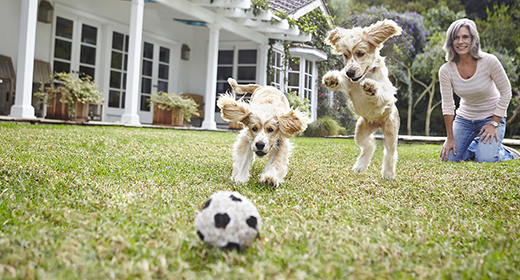
DHA (docosahexaenoic acid) is an omega-3 fatty acid important for neural development of puppies. DHA is a major structural component of the brain, as well as the most abundant fatty acid in the brain. It plays a vital role in the development of a puppy’s central nervous system and retinal function.
To help your puppy be as smart and healthy as possible, DHA should be an essential component of your dog's diet. The DHA in IAMS™ ProActive Health™ Smart Puppy food helps encourage healthy brain development, which can make your puppy more trainable and help forge a stronger bond with you.
Common dietary DHA sources include fish (such as salmon, sardines, tuna and other seafood), eggs and organ meat. In pet foods, sources of DHA include fish, fish meal and fish oil.
Prior to weaning, puppies get DHA from their mothers. The puppy’s mother transfers DHA from her body tissues to her offspring during pregnancy and lactation.
After weaning, puppies can obtain DHA through their diet.
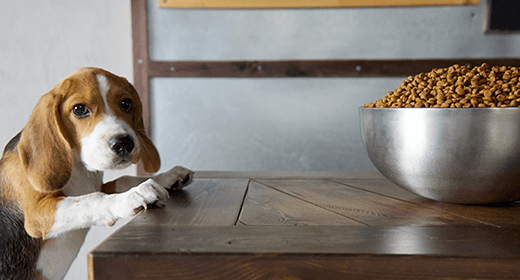
One IAMS study looked at beagle puppies whose mothers had been fed enhanced or typical dietary DHA from breeding on through weaning.* After weaning, puppies were fed the same diets as their mothers throughout the remainder of the study (up to 16 weeks of age). To evaluate the effect of diet on trainability, all puppies were taught to associate a symbol with a direction in a t-maze, with correct responses resulting in a food treat.
In the 30 days of testing, puppies from the enhanced-DHA group consistently outperformed the puppies from the typical-DHA group on the maze test. Results of the study indicated that puppies nourished on high DHA levels were more trainable.
*Data on file. The IAMS Company.


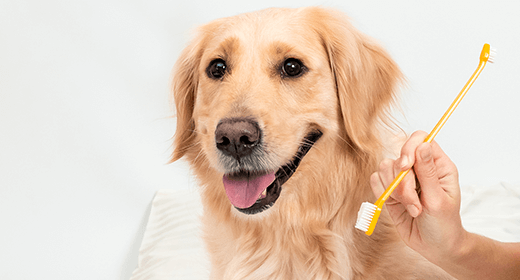
Dogs need regular dental care just like you do; gum disease and broken teeth are the major concerns. Fortunately, pets seldom suffer from tooth decay. Their cone-shaped teeth, non-acidic saliva, and low-sugar diets all help protect them from this nasty ailment. (Note: If you give your pets sweets for snacks, they can get cavities.)
Regular brushing and professional cleaning can keep your dog’s teeth healthy and gleaming. Giving your pet appropriate toys to chew prevents fractures.
Periodontal disease affects the gums, bones, and connective tissue around the teeth, and it can cause tooth loss. First, plaque—a soft, clear, or cream-colored deposit—forms on the teeth. If it isn't removed, minerals in the dog's saliva turn plaque into tartar. Tartar builds up below the gums, and bacteria grows, causing inflammation.
The same bacteria that causes the inflammation can enter your pet's bloodstream and cause or aggravate lung, kidney, liver, and heart problems. That's a lot of trouble, worry, and cost from something that could be stopped in its early stages.
When your puppy first begins to get permanent teeth, check carefully to be sure the baby teeth come out as the new teeth come in. Retained teeth can cause the permanent teeth to be crooked. Toy dog breeds, with their tiny jaws, are at special risk for this problem.
While hard foods and chew toys can help keep teeth clean, you need to get your pet used to regular tooth-brushing. As soon as you bring your new pet home, get him accustomed to having his mouth handled. This is good practice for dogs that will be shown; judges check to make sure dogs have their full set of teeth. It is also good training—it teaches the dog to tolerate having things in his mouth without biting or snapping.
What your dog eats affects his 'smile.' Dry foods and treats help clean plaque from his teeth. Rawhide chews are also good cleaning tools, as are some of the knobby plastic toys on the market. None of these are hard enough to cause tooth damage, but be sure to watch your pet to make sure small pieces of the toys aren't torn off and swallowed. Real bones can also be dangerous for your pet and should not be used for tooth-cleaning purposes.
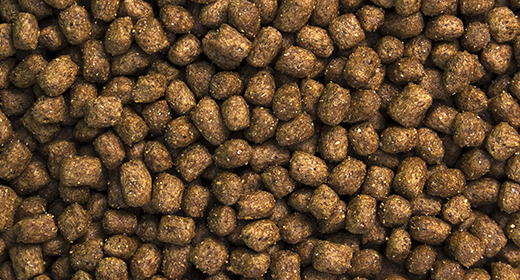
All dry adult IAMS™ Dog Foods, such as IAMS ProActive Health™ Adult MiniChunks, include Daily Dental Care, a special kibble coating that helps reduce tartar buildup for better oral health.
It just takes a little time and patience. Begin by running your finger gently over his gums. At first, just rub the outside, but as he adjusts to the routine, begin to open his mouth and rub the gums inside the teeth as well.
As your dog gets accustomed to this, wrap your finger with gauze and rub his gums. Eventually, add a pet toothpaste; do not use human toothpaste. After a few weeks, your dog should be willing to accept a toothbrush for pets, which should have soft, multi-tufted synthetic bristles.
Hold the toothbrush at a 45-degree angle and apply it to the area where teeth and gums meet. Rotate it in small circles, overlapping several teeth. Finish with vertical strokes to pull plaque from between the teeth. Repeat until all the teeth on the cheek side are clean. The inside teeth will be more difficult, as your dog may resist opening his mouth, but eventually you'll be able to brush the inside and outside surfaces of all the teeth. For effective cleaning, brush your dog's teeth a couple of times a week.
If your dog won't cooperate with home brushing or if you already see brown tartar stains on his teeth or red and bleeding gums, it's time to turn to your veterinarian for help. He or she will give your dog general anesthesia and clean the teeth above and below the gum line to remove plaque and tartar. After the teeth are cleaned, they will be polished to remove microscopic plaque and to make the teeth smooth to discourage plaque from clinging.
Remember, dental care is as important to your pet's health as it is to your own—you owe it to your dog to provide regular tooth care and cleaning.