Enter a keyword below to search for articles and products.


DHA (docosahexaenoic acid) is an omega-3 fatty acid important for neural development of puppies. DHA is a major structural component of the brain, as well as the most abundant fatty acid in the brain. It plays a vital role in the development of a puppy’s central nervous system and retinal function.
To help your puppy be as smart and healthy as possible, DHA should be an essential component of your dog's diet. The DHA in IAMS™ ProActive Health™ Smart Puppy food helps encourage healthy brain development, which can make your puppy more trainable and help forge a stronger bond with you.
Common dietary DHA sources include fish (such as salmon, sardines, tuna and other seafood), eggs and organ meat. In pet foods, sources of DHA include fish, fish meal and fish oil.
Prior to weaning, puppies get DHA from their mothers. The puppy’s mother transfers DHA from her body tissues to her offspring during pregnancy and lactation.
After weaning, puppies can obtain DHA through their diet.
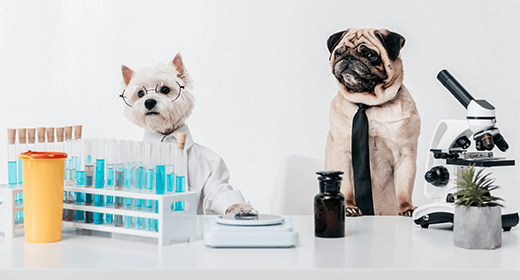
One IAMS study looked at beagle puppies whose mothers had been fed enhanced or typical dietary DHA from breeding on through weaning.* After weaning, puppies were fed the same diets as their mothers throughout the remainder of the study (up to 16 weeks of age). To evaluate the effect of diet on trainability, all puppies were taught to associate a symbol with a direction in a t-maze, with correct responses resulting in a food treat.
In the 30 days of testing, puppies from the enhanced-DHA group consistently outperformed the puppies from the typical-DHA group on the maze test. Results of the study indicated that puppies nourished on high DHA levels were more trainable.
*Data on file. The IAMS Company.


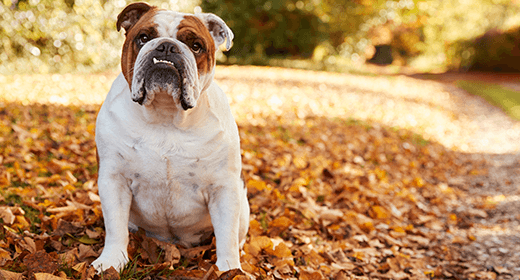
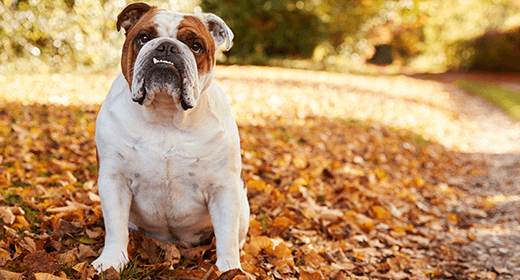
Bloat is a life-threatening condition that acts rapidly and can lead to death within hours if not recognized and treated immediately. Unfortunately, the cause of bloat remains unknown at this time.
The scientific term for bloat is gastric dilatation-volvulus or GDV. Bloat is characterized by rapid and abnormal expansion of the stomach with gas (dilatation). This can be followed by rotation of the stomach (volvulus). This rotation closes both the entry to and exit from the stomach. The blood vessels also are closed down, and blood flow is restricted.
What follows is an increase in pressure inside the stomach and compression of the surrounding organs. Eventually, shock will occur as a result of the restricted blood flow. Here are a few key facts about bloat:
Bloat is a true medical emergency, and early identification and treatment is critical to survival.
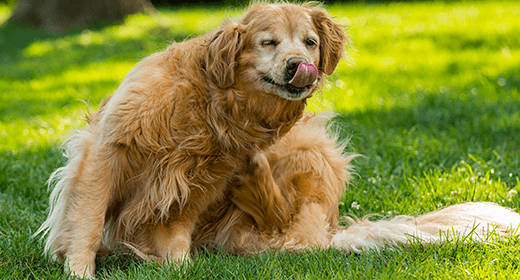
In the early stages of bloat, the dog will be very uncomfortable. You might see him pacing and whining or trying unsuccessfully to get into a comfortable position. He might seem anxious, might lick or keep staring at his stomach, and might attempt to vomit, without success.
Other indications of bloat can include weakness, swelling of the abdomen, and even signs of shock. Signs of shock are increased heart rate and abnormally rapid breathing.
If you notice these signs, call your veterinarian immediately!
These suggestions could help you prevent bloat in your dog. However, they are based on suspected risk factors and are not guaranteed to prevent the onset of bloat.
Another way you might help prevent bloat is to feed a high-quality, highly digestible food with normal fiber levels.
Feeding management offers the best method available for reducing risk until the exact cause of bloat can be identified. Although not 100% effective, these measures can reduce the number of dogs that face this serious, life-threatening condition.