Enter a keyword below to search for articles and products.
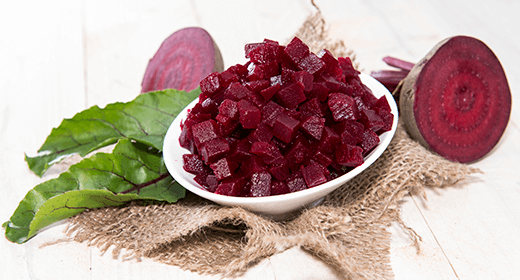
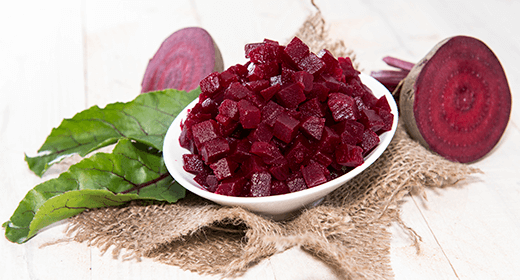
Beet pulp is an important source of fiber that is good for helping your dog maintain intestinal health and can enhance his ability to absorb ingredients. Beet pulp is the material that remains after sugar is extracted from sugar beets.
There are two types of fiber: Nonfermentable and fermentable. Nonfermentable fiber remains undigested as it passes through a dog's intestines, providing bulk to move wastes out. Cellulose is an example of a nonfermentable fiber.
In contrast, fermentable fiber is broken down in the intestines into short-chain fatty acids that provide energy for cells that line the intestine.
Moderately fermentable fiber does both: It provides bulk to move waste and supplies energy to cells lining the intestine. Beet pulp is a moderately fermentable fiber. IAMS™ products contain a patented, moderately fermentable fiber, beet pulp, to keep your dog's digestive system healthy.
Beet pulp contains no toxins and is not harmful. It is a very safe fiber source. Beet pulp does not affect coat color. There is nothing in beet pulp that can affect coat pigment—the inside is light in color, and the dark outside peel is not used in our foods.
By definition, beet pulp is the material left over after the sugar is removed from sugar beets. Therefore, beet pulp contains no sugar.
There is no evidence that beet pulp causes bloat. Bloat (gastric dilatation-volvulus or GDV) is related to a stomach defect that delays the stomach’s emptying. It is believed that bloat is not related to diet or ingredients, such as beet pulp. However, the cause of bloat remains unknown.
IAMS has conducted extensive research on many types of fiber. The results of this research point to the fact that beet pulp maintains intestinal health and works with other nutrients to provide optimal nutrition in all of our products, including IAMS™ ProActive Health™ Adult MiniChunks. No other food manufacturer can match our formulas. Only IAMS holds a patent for moderately fermentable beet pulp.
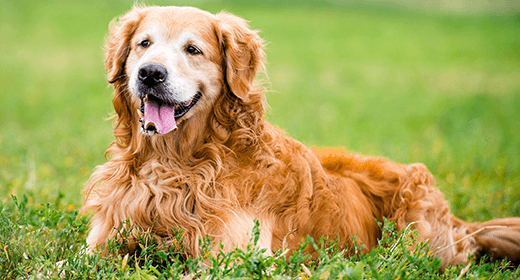
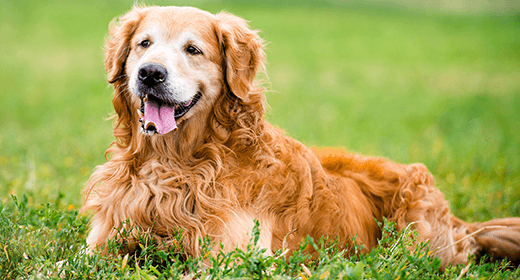
As your dog reaches his mature years, remember these tips:
As Dr. Michael Hayek, an IAMS™ research nutritionist who specializes in geriatric nutrition, points out, there's still much to learn about canine geriatric nutrition. For now, realize that every animal ages at a different rate and in different ways. Monitor your dog and especially watch for changes at around 7 years of age (5 years for large breeds). If necessary, adjust his diet accordingly. With the help of your veterinarian and responsible pet food manufacturers, your mature pal can live to a comfortable, healthy old age.