IAMS IN
Feeding Tips for Your Teething Puppy
Feeding Tips for Your Teething Puppy-mobile

adp_description_block256
Feeding Tips for Your Teething Puppy

  • Share

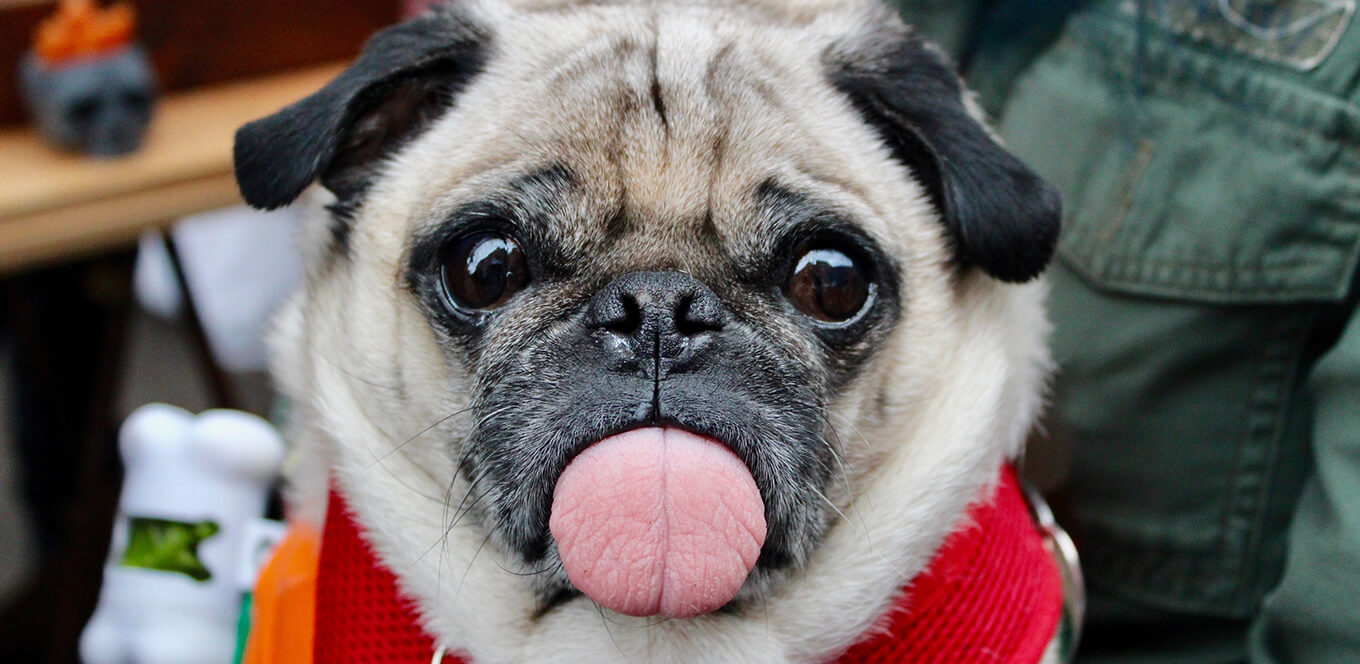
Puppies grow quickly and have special nutritional needs to keep their bodies strong. The most noticeable time is known as the rapid growth stage, which occurs between 2 and 6 months of age. From about 3 to 6 months, most pups will lose their puppy teeth (you might find a tooth near his dish or on the floor; this is normal).


During this phase, his mouth and gums may be very sensitive, which could cause him to be a bit picky when it comes to eating. There's nothing you can do except to wait it out, even if his appetite is low for a couple of days.
 

Helpful Hints
 

Don't switch to a new formula to stimulate your puppy's appetite. Changing food at this time can cause additional stress and intestinal upset. The tips below could help your puppy make the change:
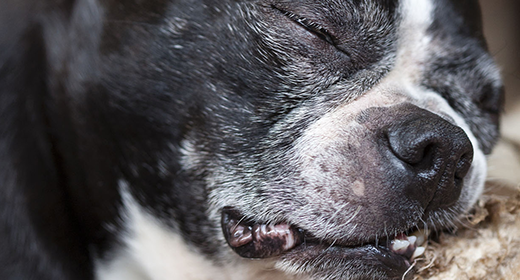
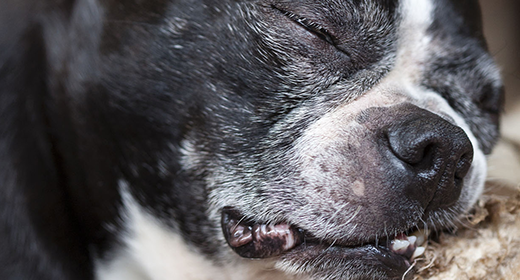
  • Mix his regular, premium dry food with a premium canned puppy food to soften the dry food and make mealtime even more appealing. Or, try some moist food to help him through this sensitive period.
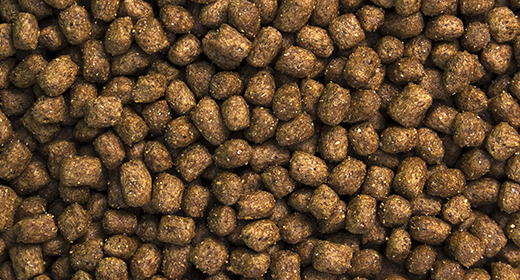
  • Soak dry food in warm water for 10 to 15 minutes before serving. Feeding a dry food and biscuits loosens the teeth, so pups can get through the teething process quicker. If his appetite loss persists, see your veterinarian before you switch food.

  • Nutrition for Large- and Giant-Breed Adult Dogs
    Nutrition for Large- and Giant-Breed Adult Dogs
    adp_description_block169
    Nutrition for Large- and Giant-Breed Adult Dogs

    • Share

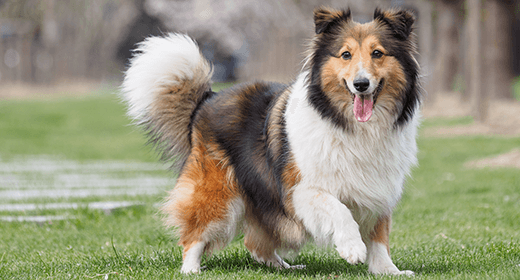
    Healthy joints and proper weight are especially important for dogs that grow to be more than 50 pounds. But not all large- and giant-breed adult dogs have the same nutritional needs. Is your dog getting proper exercise? Is she about to have puppies? Special conditions can dramatically affect your dog’s nutritional demands. Giving her a food specially formulated for her large size, life stage and activity level is the easiest way to make sure she’s getting the nutrients she needs.


    Choosing a Food for Overall Health

    To address the special needs of your large- or giant-breed dog, look for these features:

    • Less fat to help maintain an ideal body condition for less joint stress
    • Vitamin-rich fish oils for healthy skin, shiny coat and overall health
    • Essential vitamins and minerals to help support the immune system and help maintain good health
    • High-quality animal-based protein sources to help maintain muscle tone
    • A moderately fermentable fiber source, such as beet pulp, to maintain intestinal health, enhance your dog's ability to absorb nutrients, and reduce backyard cleanup
    • A carbohydrate blend to help sustain energy by maintaining normal blood sugar levels


    These components are key to good nutrition. Look for them in treats, wet dog food, or dry dog food, such as IAMS™ ProActive Health™ Adult Large Breed.


    Maintaining Healthy Joints and Cartilage

    Joint health is a big concern for owners of large- and giant-breed dogs. A large- or giant-breed formula that contains high-quality protein can help nourish healthy joints. Vitamins and minerals help promote the production of cartilage. Also, keeping your dog at a healthy weight will help minimize joint stress.


    Guarding Against Weight Gain

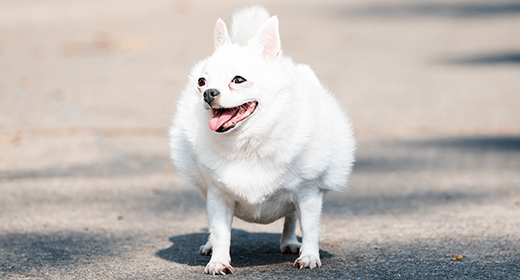
    Dogs with lower activity levels and dogs that have been neutered or spayed are all prone to weight gain. Controlling your dog’s weight is an important step toward protecting against the health effects of excess weight, such as diabetes or joint health problems. If you use a weight-management food, look for these characteristics:

    • A reduced fat level that still offers essential nutrients for skin and coat health
    • L-carnitine, a key nutrient that helps burn fat and maintain muscle mass during weight loss
    • Special carbohydrate blends that help maintain energy while managing weight
    • Vitamin-rich fish oils for overall health


    Providing Nutrition During Pregnancy

    Pregnant dogs have substantial nutrition requirements. Starting in the seventh week of her pregnancy, a mother dog will need to increase her energy intake up to 50% by the time she gives birth and increase it even more when she starts nursing her puppies. Because she may lose her appetite at times, it's important that she eats a nutrient-dense food. A complete, balanced puppy formula can give her the extra nutrients she needs. But avoid puppy food created for large and giant breeds; these formulas contain specially adjusted levels of energy and minerals that may not be sufficient for a pregnant or nursing dog.


    Switching to a Mature Diet

    Dogs who grow to be more than 50 pounds are considered mature or senior at age 5 or 6, which is earlier than small-breed dogs. So, it’s critical to make a proactive transition to a specially formulated mature diet, such as IAMS™ ProActive Health™ Mature Adult Large Breed, to help keep your dog healthy and active as she ages.

    Nutrition for Large and Giant Breed Adult Dogs
    Nutrition for Large and Giant Breed Adult Dogs
Close modal