IAMS IN
Puppy Basics: Switching Your Puppy’s Food
Puppy Basics: Switching Your Puppy’s Food mobile

adp_description_block220
Puppy Basics: Switching Your Puppy’s Food

  • Share

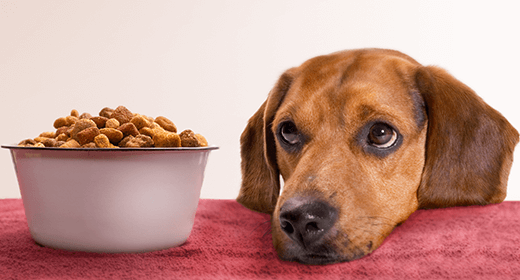
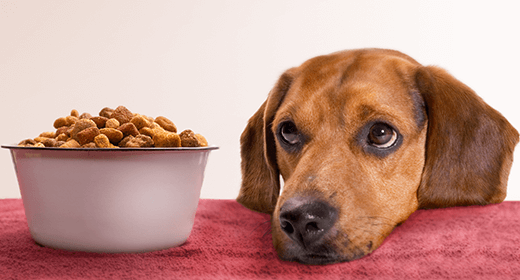
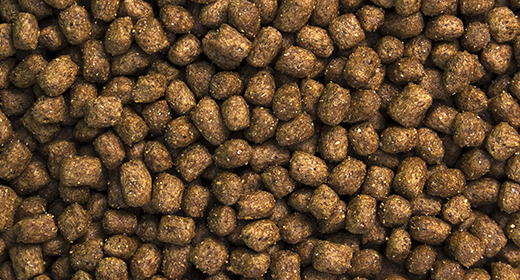
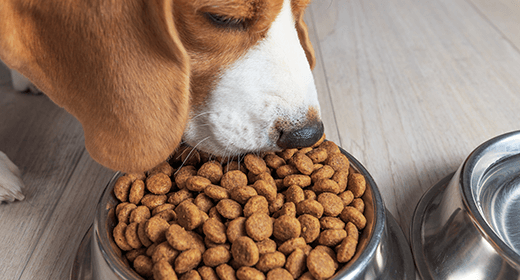
Your new puppy's first meals at home are very important. Find out what formula your puppy has been eating, and continue feeding this food for a day or two after you bring him home. If you want to change his diet to a premium food such as IAMS™ ProActive Health™ Smart Puppy Original , gradually move him to the new formula and help avoid intestinal upsets by using the following steps:
 

Day 1: Fill your dog's bowl with 75% of his old food and 25% of IAMS ProActive Health Smart Puppy Original.

Day 2: Mix his former food and IAMS ProActive Health Smart Puppy Original in a 50/50 ratio.

Day 3: Feed your dog a mixture that's 75% IAMS ProActive Health Smart Puppy Original and 25% former food.

Day 4: Feed 100% of IAMS ProActive Health Smart Puppy Original.


Feeding Tips

To feed a puppy from weaning to 4 months of age, offer a 100% complete and balanced premium puppy formula. To determine each serving size, start with the daily amount recommended by the feeding guidelines on the pet food label, and divide that number by the number of times a day (usually three times) you plan to feed your puppy.
 

Serve the food at room temperature and remove the bowl within 30 minutes after he's done eating. After four months, you can feed a puppy twice daily on a regular schedule.
 

  • Always provide your dog with clean, fresh water.
  • Discard uneaten wet food at the end of the day.
     

Don't add nutritional supplements to your dog's diet. Adding commercial dietary supplements or 'people food' such as hamburger, eggs, cottage cheese, or cow's milk is unnecessary and might even do more harm than good.
  • Do Dogs Like Hugs?
    Do Dogs Like Hugs?
    adp_description_block329
    Do Dogs Like Hugs?

    • Share

    Most humans recognize a hug as a sign of affection and friendship. In an IAMS™ survey*, 83% of dog parents say their dog likes hugs too. But how do dogs feel about them? Bring it in! We’re going to try and get our arms around this question.


    hugs fr 1dogs


    Dogs don’t like hugs: Spoiler alert

    Sure, some dogs enjoy a good canine cuddle, but usually only with their owner or household members. Otherwise, they don’t really care for it. “Hugging is too much and overwhelming for many dogs and should be discouraged if the dog doesn’t know the individual very well,” advises 

    Opens a new windowJames Serpell, B.S., Ph.D., Professor of Humane Ethics & Animal Welfare at the University of Pennsylvania School of Veterinary Medicine. 

    There are a number of reasons for this:


    Four legs vs. two

    Hugging is a human behavior, not a dog behavior. They’re just not physically built for that kind of interaction. We stand upright, so we face people. Dogs are on all fours, so it’s an unnatural act for them. They much prefer a friendly sniff to greet other dogs.


    Dominant behavior

    To dogs, a hug is seen as a very dominant form of behavior; it feels like a stranger is trying to assert control over them. It can be quite stressful, especially if done by someone they’re not familiar with.


    Freeeeeeeeeedom!

    Since ancient dog days, canines’ first instinctive line of defense has been to run away from danger. Hugging takes this primal option away and can make them feel trapped and confined. Remember when you were a kid getting hugged by that loud great aunt you’ve never met at your dad’s second cousin’s wedding? That’s kind of what your dog is feeling. Who is this? What are they doing? They want to escape too.


    hugs fr 2 min new


    Signs your dog does not like hugs

    You can usually tell by their body language, says 

    Opens a new windowDr. Jo Gale, BVetMed CertLAS MRCVS, Senior Manager, Global Science Advocacy at Waltham Petcare Science Institute: “Watch for trembling, trying to get away, raised hackles or whites around their eyes. It’s very important to pay attention to this behavior and respect it.”


    Alternatives to hugging your dog

    Don’t worry if your dog doesn’t want to hug it out. There are plenty of healthier ways you can show them you’re still their best friend:

    • Pet them or give them a good, relaxing brush.
    • Take them on walks or play a game with their favorite toy.
    • Give them their favorite food or treats.
    • Give them a verbal hug. Tell them they’re a “good boy” or a “good girl.” They never get tired of that.


    *Surveyed U.S. dog owners, age 18+ 

    Sample Size: n=201 

    Fielded May 8-10, 2020

Close modal