Enter a keyword below to search for articles and products.
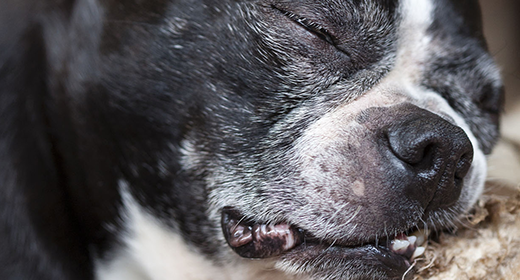
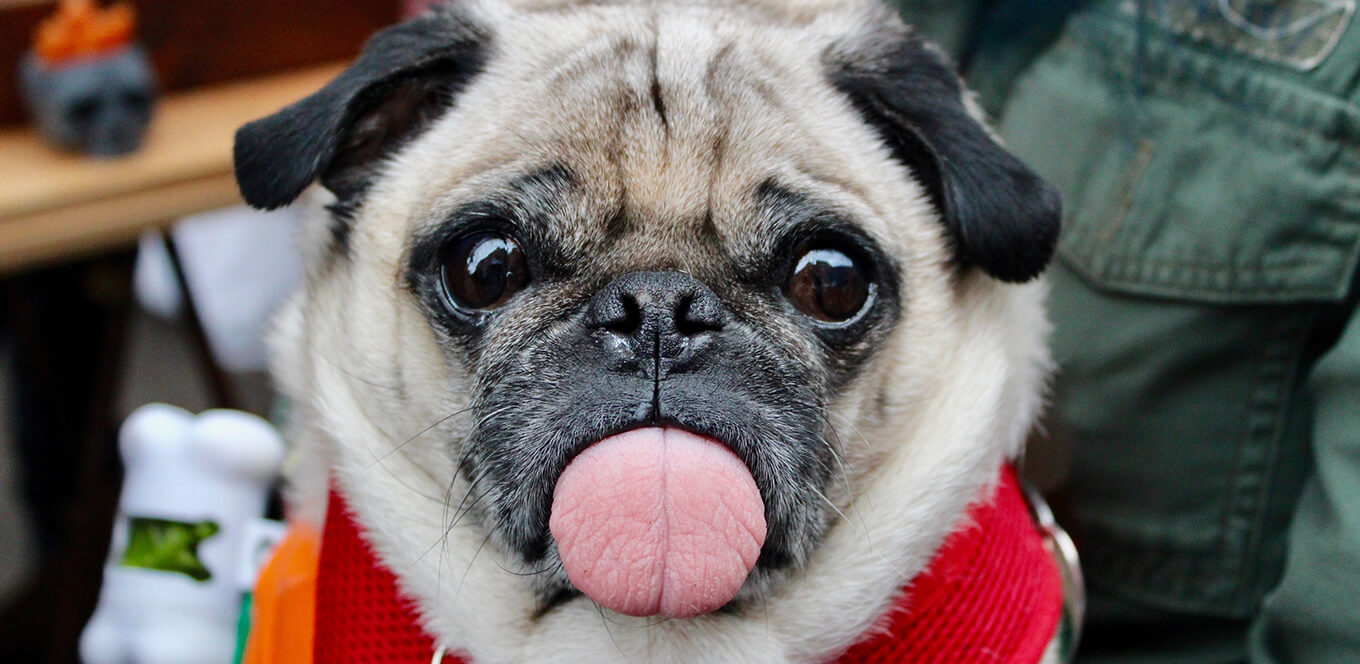
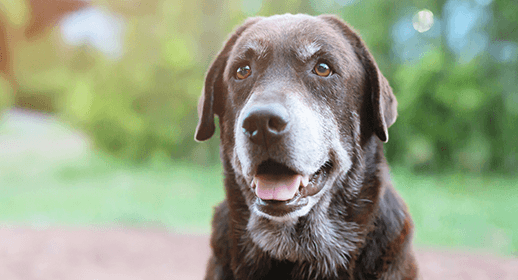
Unlike larger-breed dogs that are considered mature or senior at age 5, small-breed dogs usually don’t experience age-related changes as early. But by age 7, your small dog is mature or senior, and his nutritional requirements are changing. You can help keep your dog active, happy and healthy with a specially formulated mature diet that delivers highly digestible, enhanced nutrition.
The changes your small dog is going through affect him in many ways. You may notice a dull, dry coat and flaky skin, energy loss or weight gain, more frequent intestinal problems, joint stiffness and a loss of lean muscle mass. It’s true that an aging dog may require fewer calories, but your mature or senior dog still needs high-quality protein and carefully balanced nutrients.
What your dog needs is a high-quality, balanced maintenance food formulated for a small dog’s changing metabolism. Look for options with these age-essential nutrients:
These ingredients are the keys to mature nutrition whether you feed dry or wet dog food or give your dog treats.
Additionally, small dogs have small mouths and small stomachs. A nutrient-dense mature formula with smaller kibble may help make food easier for your dog to chew.
Older, less-active dogs are prone to weight gain. Keeping your dog at a healthy weight can help minimize the risk of developing diabetes or joint stress. Your dog can benefit from a weight-control diet with these key ingredients:
While your mature or senior dog’s nutritional needs may be changing, that doesn’t mean he doesn’t have many active, happy years ahead. Make sure your dog can make the most of them by feeding him a proper diet designed for mature small-breed dogs.

If you see signs of aging in your dog, don't wait to feed him the proper diet. Feeding a high-quality, premium food throughout your dog's life is the best way to help him age gracefully. When your dog reaches his mature years, choose a food like IAMS™ ProActive Health™ Mature Adult for nutrition suited to this stage of life. 'Good nutrition starts early,' says Dr. Michael Hayek, an IAMS research nutritionist who specializes in geriatric nutrition. 'It should be viewed as proactive health care because it may be a deterrent to aging later on.'
If your dog already exhibits signs of aging, look for a high-quality, balanced maintenance food that caters to his changing metabolism. When you're shopping for a formula that's right for your dog, look for and compare these important points: