Enter a keyword below to search for articles and products.
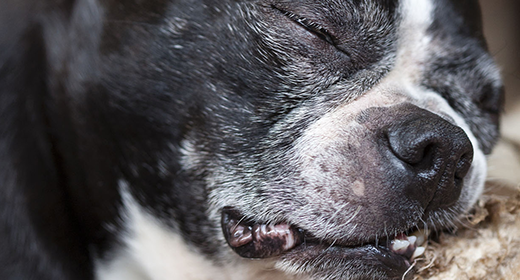
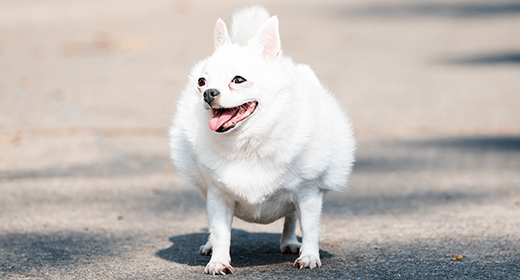
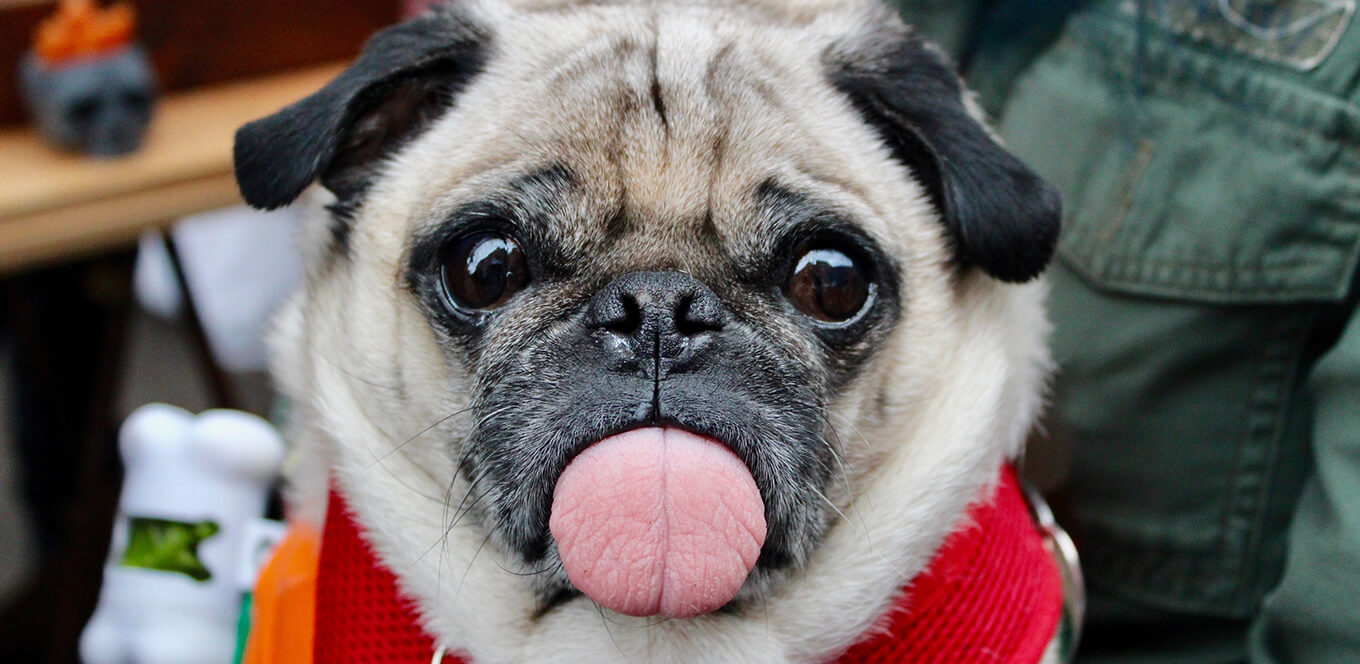
Unlike larger-breed dogs that are considered mature or senior at age 5, small-breed dogs usually don’t experience age-related changes as early. But by age 7, your small dog is mature or senior, and his nutritional requirements are changing. You can help keep your dog active, happy and healthy with a specially formulated mature diet that delivers highly digestible, enhanced nutrition.
The changes your small dog is going through affect him in many ways. You may notice a dull, dry coat and flaky skin, energy loss or weight gain, more frequent intestinal problems, joint stiffness and a loss of lean muscle mass. It’s true that an aging dog may require fewer calories, but your mature or senior dog still needs high-quality protein and carefully balanced nutrients.
What your dog needs is a high-quality, balanced maintenance food formulated for a small dog’s changing metabolism. Look for options with these age-essential nutrients:
These ingredients are the keys to mature nutrition whether you feed dry or wet dog food or give your dog treats.
Additionally, small dogs have small mouths and small stomachs. A nutrient-dense mature formula with smaller kibble may help make food easier for your dog to chew.
Older, less-active dogs are prone to weight gain. Keeping your dog at a healthy weight can help minimize the risk of developing diabetes or joint stress. Your dog can benefit from a weight-control diet with these key ingredients:
While your mature or senior dog’s nutritional needs may be changing, that doesn’t mean he doesn’t have many active, happy years ahead. Make sure your dog can make the most of them by feeding him a proper diet designed for mature small-breed dogs.

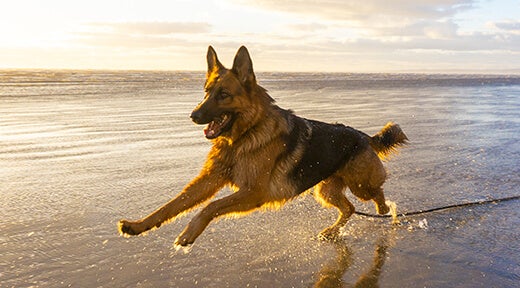
German Shepherd Dogs are one of the most loved breeds in the world! They're incredibly smart, versatile and learn new behaviors quickly. If that wasn't enough, they're also faithful companions that are very protective of their families.
But before you take the leap and adopt a German Shepherd, there are a few things you must know about looking after one. As is the case with raising a dog of any breed, caring for a German Shepherd needs commitment, patience and understanding.
a. Exercising German Shepherds
German Shepherds are fantastic creatures in every sense, and it is easy to see why. GSDs are naturally energetic and need dedicated time daily to burn it off. They need at least 60minutes of daily physical exercise such as running and playing fetch in a park. A fit dog is a happy dog and one that is exercised regularly will not be happy, but healthy too.
b. Grooming German Shepherds
Be prepared to keep your vacuum cleaner handy. GSDs have thick coats, making them prone to shedding. Grooming your GSD takes time as well. You will need to give your pet a comb down at least 3 times a week. But you won’t need to bathe your dog too often (unless advised to do so by your vet).
c. Dog Food for German Shepherds
To stay healthy and active, German Shepherds require complete and balanced meals that are tailor-made to meet their unique needs. You could try a premium recipe like IAMS™ Proactive Health™ for Adult German Shepherds, which is specially formulated food for German Shepherds. This recipe is a blend of beet pulp and prebiotics (FOS) that supports healthy digestion, calcium, magnesium and other minerals and vitamins to support a healthy heart, and Omega 6 and 3 fatty acids to support skin and coat health. We recommend dividing their daily intake into two meals.
| SIZE OF GERMAN SHEPHERD | RECOMMENDED DAILY FEEDING (g) |
| 20-30 kg | 245-330 |
| 30-40 kg | 330-410 |
| 40-50 kg | 410-485 |
| 50-60 kg | 485-555 |
d. Diseases German Shepherds are Susceptible to
Like most dog breeds, German Shepherds are prone to diseases as well. But here are a few common diseases they are known to suffer from. Hip and elbow dysplasia, allergies, degenerative myelopathy, inherited eye diseases, exocrine pancreatic insufficiency, skin and heart disease, and thyroid disease. If you remain dedicated to providing your dog with the right kind of nutrition along with proper exercise, you should be able to keep illness at bay.
German Shepherds are a special breed. They have high energy, are strong and have oodles of stamina. But they also need a lot of attention and activity. If you are away from home frequently or dont have the time to spend exercising or grooming them, then a German Shepherd isn't the right choice for you. So are you ready to start caring for a German Shepherd? Ask yourself these questions before making a decision:
Do I have the time and energy to train my German Shepherd?
Do I have enough space in my home for such a large dog to flourish?
Am I financially stable to care for my GSD if any health issues arise?
If you answer yes to these questions, then you are ready to enjoy an action-packed life with
your furry new friend!