IAMS IN
Small-breed Mature or Senior Dog’s Nutritional Needs

adp_description_block315
Small-breed Mature or Senior Dog’s Nutritional Needs

  • Share

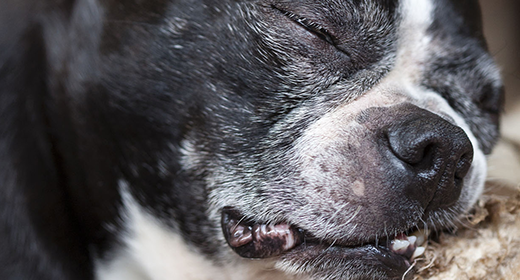
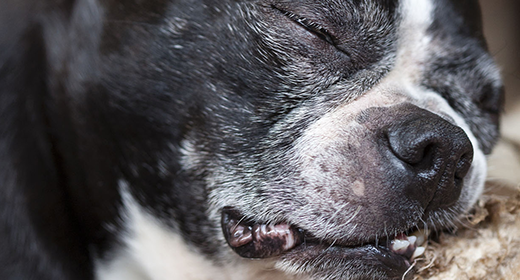
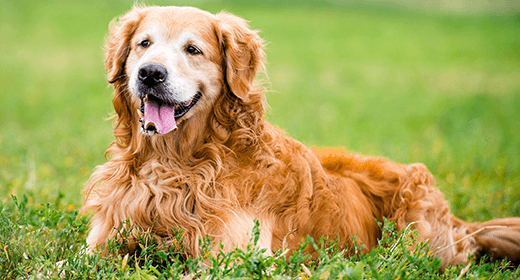
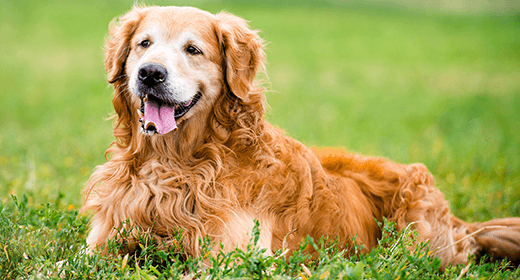
Unlike larger-breed dogs that are considered mature or senior at age 5, small-breed dogs usually don’t experience age-related changes as early. But by age 7, your small dog is mature or senior, and his nutritional requirements are changing. You can help keep your dog active, happy and healthy with a specially formulated mature diet that delivers highly digestible, enhanced nutrition.


The Signs of Aging in Small-breed Dogs

The changes your small dog is going through affect him in many ways. You may notice a dull, dry coat and flaky skin, energy loss or weight gain, more frequent intestinal problems, joint stiffness and a loss of lean muscle mass. It’s true that an aging dog may require fewer calories, but your mature or senior dog still needs high-quality protein and carefully balanced nutrients.


What to Look for in Mature or Senior Small-breed Dog Food

What your dog needs is a high-quality, balanced maintenance food formulated for a small dog’s changing metabolism. Look for options with these age-essential nutrients:

  • Antioxidants such as vitamin E and beta-carotene to help boost the immune system
  • High-quality animal-based protein sources to help maintain muscle mass
  • Special fiber sources such as beet pulp to help maintain intestinal health and support your dog’s ability to absorb age-essential nutrients
  • A special carbohydrate blend of healthy grains for sustained energy

These ingredients are the keys to mature nutrition whether you feed dry or wet dog food or give your dog treats.

Additionally, small dogs have small mouths and small stomachs. A nutrient-dense mature formula with smaller kibble may help make food easier for your dog to chew.


Special Needs of Mature or Senior Small-breed Dogs

Older, less-active dogs are prone to weight gain. Keeping your dog at a healthy weight can help minimize the risk of developing diabetes or joint stress. Your dog can benefit from a weight-control diet with these key ingredients:

  • A reduced fat level that still offers essential nutrients for skin and coat health
  • L-carnitine, a key nutrient that helps burn fat during weight loss
  • Special carbohydrate blends that help maintain energy while managing weight

While your mature or senior dog’s nutritional needs may be changing, that doesn’t mean he doesn’t have many active, happy years ahead. Make sure your dog can make the most of them by feeding him a proper diet designed for mature small-breed dogs.

Small-breed Mature or Senior Dog’s Nutritional Needs
article Small-breed Mature or Senior Dog’s Nutritional Needs
  • Do Dogs Like Hugs?
    Do Dogs Like Hugs?
    adp_description_block329
    Do Dogs Like Hugs?

    • Share

    Most humans recognize a hug as a sign of affection and friendship. In an IAMS™ survey*, 83% of dog parents say their dog likes hugs too. But how do dogs feel about them? Bring it in! We’re going to try and get our arms around this question.


    hugs fr 1dogs


    Dogs don’t like hugs: Spoiler alert

    Sure, some dogs enjoy a good canine cuddle, but usually only with their owner or household members. Otherwise, they don’t really care for it. “Hugging is too much and overwhelming for many dogs and should be discouraged if the dog doesn’t know the individual very well,” advises 

    Opens a new windowJames Serpell, B.S., Ph.D., Professor of Humane Ethics & Animal Welfare at the University of Pennsylvania School of Veterinary Medicine. 

    There are a number of reasons for this:


    Four legs vs. two

    Hugging is a human behavior, not a dog behavior. They’re just not physically built for that kind of interaction. We stand upright, so we face people. Dogs are on all fours, so it’s an unnatural act for them. They much prefer a friendly sniff to greet other dogs.


    Dominant behavior

    To dogs, a hug is seen as a very dominant form of behavior; it feels like a stranger is trying to assert control over them. It can be quite stressful, especially if done by someone they’re not familiar with.


    Freeeeeeeeeedom!

    Since ancient dog days, canines’ first instinctive line of defense has been to run away from danger. Hugging takes this primal option away and can make them feel trapped and confined. Remember when you were a kid getting hugged by that loud great aunt you’ve never met at your dad’s second cousin’s wedding? That’s kind of what your dog is feeling. Who is this? What are they doing? They want to escape too.


    hugs fr 2 min new


    Signs your dog does not like hugs

    You can usually tell by their body language, says 

    Opens a new windowDr. Jo Gale, BVetMed CertLAS MRCVS, Senior Manager, Global Science Advocacy at Waltham Petcare Science Institute: “Watch for trembling, trying to get away, raised hackles or whites around their eyes. It’s very important to pay attention to this behavior and respect it.”


    Alternatives to hugging your dog

    Don’t worry if your dog doesn’t want to hug it out. There are plenty of healthier ways you can show them you’re still their best friend:

    • Pet them or give them a good, relaxing brush.
    • Take them on walks or play a game with their favorite toy.
    • Give them their favorite food or treats.
    • Give them a verbal hug. Tell them they’re a “good boy” or a “good girl.” They never get tired of that.


    *Surveyed U.S. dog owners, age 18+ 

    Sample Size: n=201 

    Fielded May 8-10, 2020

Close modal