Enter a keyword below to search for articles and products.


Not all small dogs have the same nutritional needs. Giving your dog a food specially formulated for her size and activity level is the easiest way to make sure you’re providing complete and balanced nutrition. Here’s how to provide the right nutrition for your small dog.
Small adult dogs require a food that offers complete nutrients essential for health and vitality. Here’s what to look for:
These ingredients are the keys to nutrition whether you feed dry or wet dog food or give your dog treats.
Small dogs have small mouths and stomachs. You may want to feed your dog a formula with a small bite size for easy chewing. A nutrient-dense food will help make sure she’s absorbing essential nutrients even though her stomach can only accommodate what seems like a small volume of food.
When choosing a food for your small-breed dog, also ask:
Special conditions like these dramatically affect your dog’s nutritional demands.
Less-active dogs and dogs who have been neutered or spayed are prone to weight gain. Controlling your dog’s weight is an important step toward protecting against complications of excess weight, such as diabetes or joint health problems. If you use a weight-control food, look for these ingredients:
Starting in the seventh week of her pregnancy, a mother dog will need to increase her energy intake up to 50% by the time she gives birth and increase it even more when she starts nursing her puppies. Because she may lose her appetite at times, it’s important that she eats a nutrient-dense food. A complete, balanced small-breed puppy formula can give her the extra nutrients she needs.
Unlike larger dogs that are considered mature at age 5, your small dog can remain on an adult diet until age 7. In fact, small-breed dogs tend to live longer and don’t experience age-related changes as early as bigger dogs. However, it is important to make a proactive transition to a specially formulated mature diet, such as IAMS™ ProActive Health™ Mature Adult Small & Toy Breed, so you can help keep your dog healthy and active for years to come.


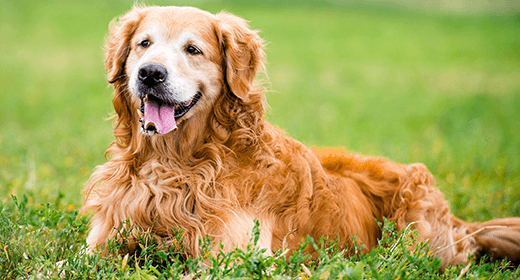
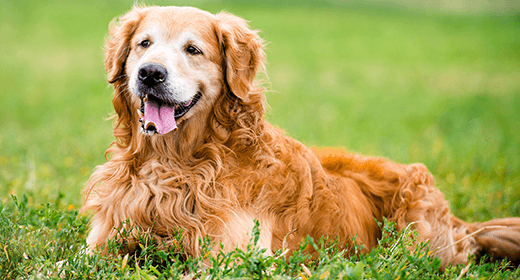
As your dog reaches his mature years, remember these tips:
As Dr. Michael Hayek, an IAMS™ research nutritionist who specializes in geriatric nutrition, points out, there's still much to learn about canine geriatric nutrition. For now, realize that every animal ages at a different rate and in different ways. Monitor your dog and especially watch for changes at around 7 years of age (5 years for large breeds). If necessary, adjust his diet accordingly. With the help of your veterinarian and responsible pet food manufacturers, your mature pal can live to a comfortable, healthy old age.