Enter a keyword below to search for articles and products.
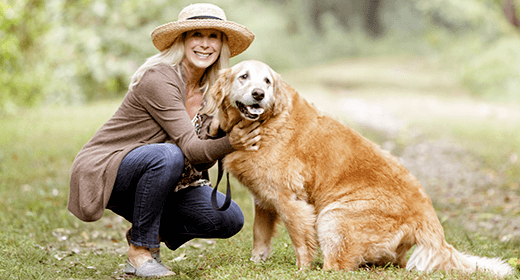
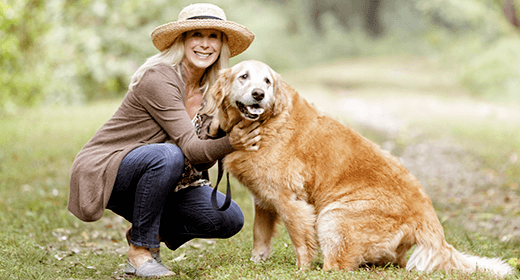
It depends on the breed of dog, but your pet's senior years generally begin at age 7. Louise Murray, DVM, director of the ASPCA's Bergh Memorial Animal Hospital in New York City and author of Vet Confidential (Ballantine, 2008), tells you what you need to know to keep your older dog spry and happy.
At this stage, Murray recommends taking your dog to the vet twice a year. 'So much can happen to an elderly dog,' she says. Your veterinarian can take blood annually to test liver and kidney functions. 'Discovering problems early is extremely important,' she says. Your vet can be on the lookout for conditions that often affect older dogs, such as anemia and arthritis.
Pay attention to what might be subtle changes in your dog's habits: Is she drinking more water or urinating larger amounts? These behaviors might indicate a liver or kidney problem. Have your dog's bowel movements shifted? This could indicate a digestive issue. Diabetes or digestive problems might cause your dog to eat more but still lose weight. Knowing the dog's patterns can help the veterinarian determine a course of treatment.
Continue to use preventive medicines.
Clean your dog's teeth daily. If she has tartar buildup, you might need to have her teeth professionally cleaned at your vet's office, which requires sedating your pet.
Your dog is probably less active, so steady, moderate exercise is best for her now. Don't turn her into a 'weekend warrior' who, after lying around on weekdays, accompanies you on a 10-mile hike on Saturdays. This is especially hard on an older dog's joints.
Your veterinarian might wish to put your dog on a senior diet, such as IAMS™ ProActive Health™ Senior Plus. These formulations contain nutrients specifically geared toward older-dog health.
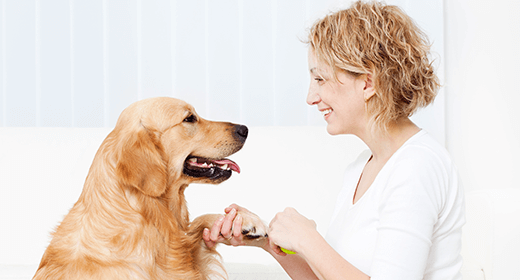
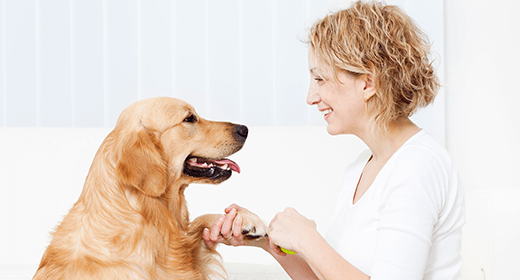
Traditionally, owners of large-breed and mature/senior dogs have known that their dogs may be predisposed to common joint and skeletal conditions—problems that may affect their mobility and overall wellness. The good news is that specially formulated diets and dog care products can help promote skeletal and joint health and assist in maintaining healthy cartilage.
Including specific nutrients in your dog's diet can help maintain healthy joints. Optimal levels of vitamins and minerals are found in IAMS™ dog care products and promote the efficient production of cartilage.
IAMS has formulas that are lower in fat and calories compared with our other adult maintenance formulas. Bones are the framework of the body, and the more weight added to the frame, the more stress joints experience. IAMS formulas such as IAMS™ ProActive Health™ Mature Adult are designed to help keep large-breed or mature dogs at an optimal weight to minimize joint stress.