Enter a keyword below to search for articles and products.
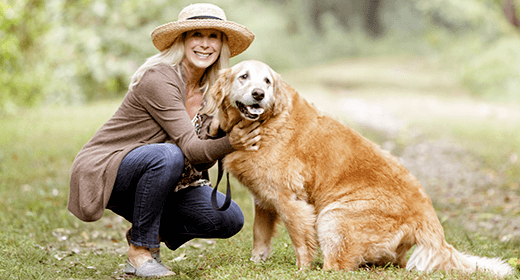
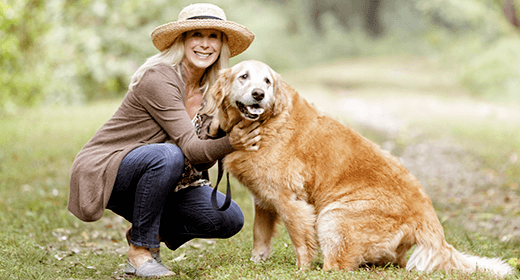
It depends on the breed of dog, but your pet's senior years generally begin at age 7. Louise Murray, DVM, director of the ASPCA's Bergh Memorial Animal Hospital in New York City and author of Vet Confidential (Ballantine, 2008), tells you what you need to know to keep your older dog spry and happy.
At this stage, Murray recommends taking your dog to the vet twice a year. 'So much can happen to an elderly dog,' she says. Your veterinarian can take blood annually to test liver and kidney functions. 'Discovering problems early is extremely important,' she says. Your vet can be on the lookout for conditions that often affect older dogs, such as anemia and arthritis.
Pay attention to what might be subtle changes in your dog's habits: Is she drinking more water or urinating larger amounts? These behaviors might indicate a liver or kidney problem. Have your dog's bowel movements shifted? This could indicate a digestive issue. Diabetes or digestive problems might cause your dog to eat more but still lose weight. Knowing the dog's patterns can help the veterinarian determine a course of treatment.
Continue to use preventive medicines.
Clean your dog's teeth daily. If she has tartar buildup, you might need to have her teeth professionally cleaned at your vet's office, which requires sedating your pet.
Your dog is probably less active, so steady, moderate exercise is best for her now. Don't turn her into a 'weekend warrior' who, after lying around on weekdays, accompanies you on a 10-mile hike on Saturdays. This is especially hard on an older dog's joints.
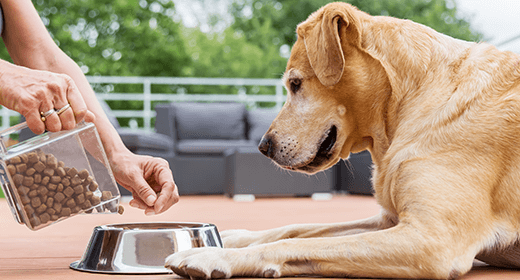
Your veterinarian might wish to put your dog on a senior diet, such as IAMS™ ProActive Health™ Senior Plus. These formulations contain nutrients specifically geared toward older-dog health.
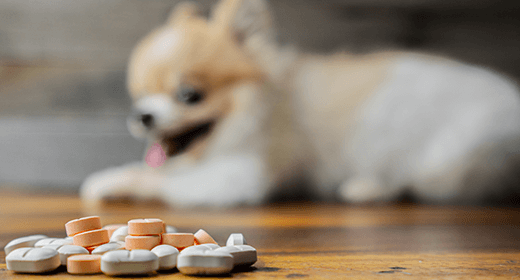
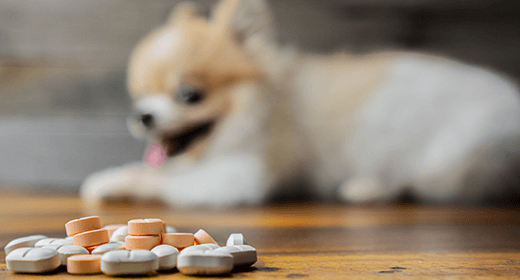
Providing dogs with vitamins, minerals, and other nutritional components is important to their health and well-being. The best way to do so is by feeding a high-quality complete and balanced diet. Supplementing dog food often upsets the balance and may lead to a variety of health problems.
People supplement their dog's diet for different reasons. Some of these reasons might include:
It is important for concerned pet owners to realize that a quality dog food is carefully formulated to meet the caloric needs of the animal. In addition, the food provides the essential amino acids, fatty acids, vitamins, and minerals specific to the nutritional requirements of dogs. Quality foods are complete and balanced for a specific life stage or lifestyle. By adding table scraps or other supplements, the delicate nutrient balance can be disrupted.
The interaction between different minerals is very complex. Fortunately, this is an area of nutrition that has been the focus of extensive research throughout many years. Research has shown that not only are the individual levels of minerals in a diet important, but so is the proper balance. An excess of one mineral may affect the absorption of a second, and lead to a deficiency in that second mineral.
One common supplement is feeding additional meat. However, because meat contains 20 to 40 times more phosphorus than calcium, adding meat to a balanced diet will upset the calcium to phosphorus (or Ca:P) ratio, which is important for proper bone development and maintenance. This may prompt the animal's body to absorb calcium from the bones in order to reach the right balance. This is often the case in older animals that experience tooth loss due to the resorption of bone from the lower jaw. Ca:P ratio should range between 1.1 to 1.4 parts of calcium for each 1 part of phosphorus.
Excess amounts of calcium have been associated with several bone diseases affecting growing puppies. Owners of large-breed puppies in particular believe that their puppies require extra calcium for proper development of large bones. Adding yogurt, cottage cheese, or calcium tablets to the pup's diet will only upset the body's delicate mineral balance. Remember that large-breed puppies will consume more food and receive the calcium their bodies need by eating the recommended portions. The best way to support a normal growth rate is to feed growing dogs adequate—but not excessive—amounts of a balanced diet, using a portion-controlled regimen.
The Association of American Feed Control Officials (AAFCO) regulates the pet food industry and has established certain nutritional requirements for dogs and cats. These requirements are published annually in the AAFCO Manual. Only pet foods that have met the strict testing criteria established by AAFCO can carry the 'complete and balanced' statement on the label.